






 Portuguese
  Spanish
  5 min of reading
  0 comments


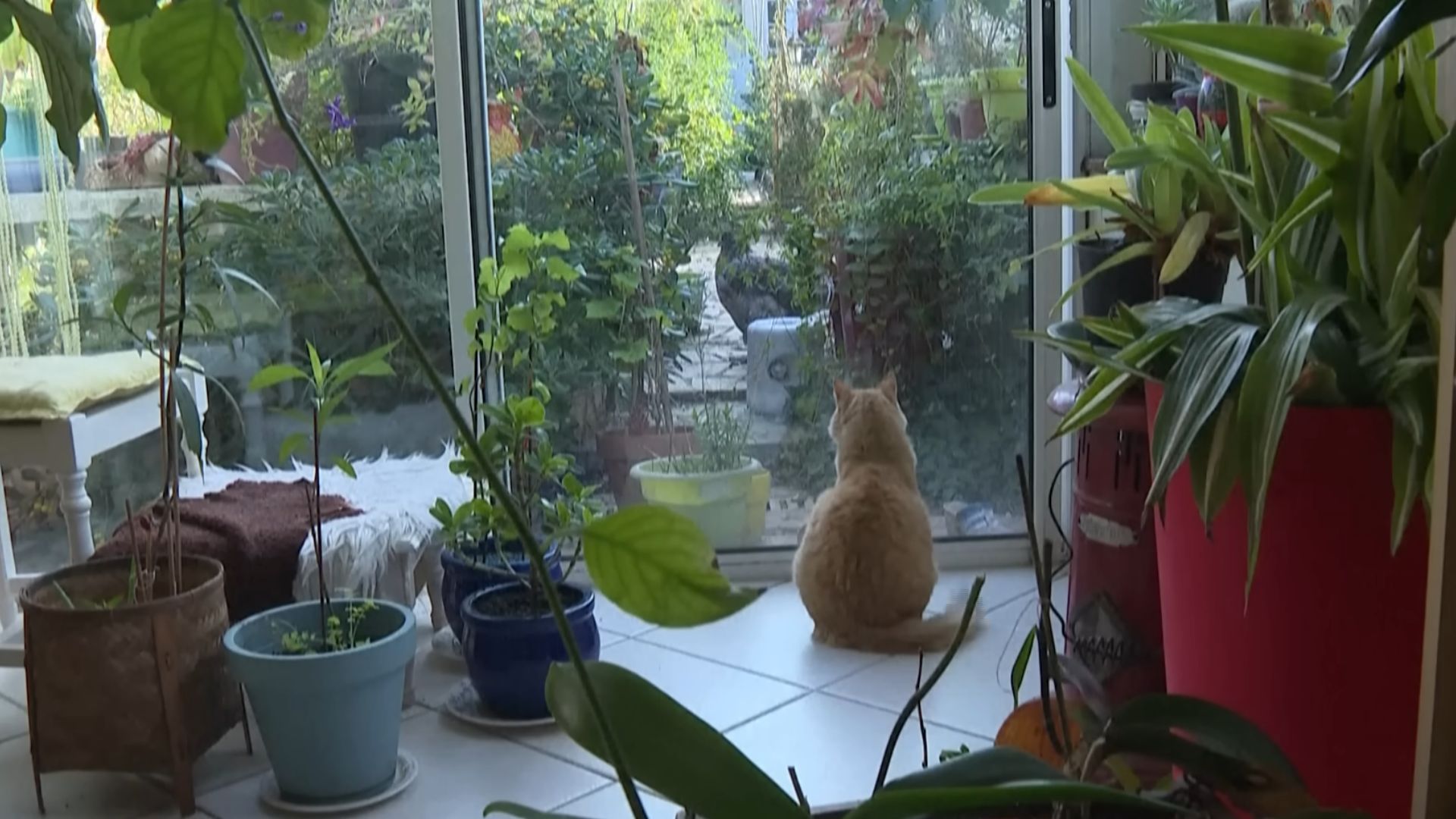
A Cat in Southern France Became the Target of a Legal Dispute After Being Accused of Repeatedly Invading the Neighbor’s Yard, Resulting in Compensation, Fine, and an Order That Keeps Him Permanently Inside the House.
The French justice system determined that Rémi, an orange-furred cat living in the city of Agde in southern France, can no longer go outside.
This measure was taken after a neighbor sought legal action, claiming that the animal frequently invaded his garden, disrupting the use of the space and causing damage to the property.
Legal Dispute and Compensation
The case was reviewed by the Béziers Judicial Court, which considered Rémi’s visits to the neighboring property as constituting an abnormal disturbance of neighborhood.
-
Brazilian mechanic invented a lamp made from a PET bottle during the 2001 blackout, the idea turned into an NGO present in 30 countries and has already illuminated 40,000 people in 200 communities without electricity in Brazil.

-
Centuries-old mystery gains new chapters in Greece after excavations reveal a possible lost temple of Poseidon, hidden among ancient lagoons, monumental remains, ritual objects, and an architectural plan that surprised even the experts.

-
2-month-old baby says “I love you” to parents and the video froze the internet: doctors say most babies only speak after the first year of life
-
At 98 years old, Priscilla Sitienei returned to school in uniform, sits next to children, and has a new dream: to become a doctor, after decades of working as a midwife in rural Kenya.



In the ruling, Rémi’s owner, Dominique Valdès, was ordered to pay 1,250 euros, which includes 450 euros for damages to the neighbor and 800 euros in attorney’s fees.
The sentence also imposes an additional fine of about 30 euros for each new invasion of the cat into the complainant’s garden, a sum that may be increased in case of recurrence.
Dominique reports that, at first, she was condemned to pay the compensations and costs but decided not to appeal due to the cost of the process.
She believed that with this, the litigation would be over.

Instead, she received a new summons and subsequently an explicit order to keep Rémi exclusively indoors, under a kind of permanent “house arrest.”
Accusations of Damage to the Yard
The neighbor claims that the cat prevents him from enjoying his yard and causes damage to the area.
Among the accusations presented to the Justice are paw prints on fresh plaster, feces in the garden, and urine on pieces of fabric left in the outdoor space.
According to local media, the complainant claims to have photographic and video evidence showing Rémi entering his property multiple times.
However, Dominique argues that the images do not prove that it is her cat, as there are other felines with similar fur circulating in the region.
Despite this challenge, the court understood that the responsibility for the alleged damages should fall on Rémi’s owner.


For the resident, the animal behaves like an ordinary cat, exploring the surroundings and easily jumping over walls.
“It’s very easy for him. He’s a cat, climbs easily, jumps high, so he goes to the other side. And that’s what really annoys my neighbor.”
Owner Criticizes Decision and Reports Change in Cat’s Behavior
Since complying with the court order, Dominique says she keeps all doors and windows secured to prevent any further passage of Rémi to the neighboring property.
She claims to consider the situation disproportionate.
“I see this as an injustice, honestly. When I hear the news, I think: ‘Being ordered to pay 1,250 euros for this, honestly, is driving me crazy.’”
According to the owner, the cat, which previously roamed freely around the house, has begun to show signs of stress due to the confinement.
She reports that Rémi has gained weight, has become more agitated, and at times aggressive, which she attributes to the lack of external stimuli and a sudden change in routine.
At the same time, Dominique admits to fearing further financial penalties.

As the ruling imposes fines for new invasions of the yard, she fears that any unsupervised exit of the animal would result in a new lawsuit, with even higher amounts.
In some reports, it is mentioned that a new hearing has already been requested by the neighbor, who claims new incursions, which could increase the total compensation.
French Rural Code and Debate on the Circulation of Cats
The decision has drawn attention from animal protection entities in France and other countries.
Associations remind that the French Rural Code guarantees cats the right to roam within a radius of up to 1 kilometer from their residence, without distinguishing between private properties and public areas.
For these groups, it is about recognizing the typical behavior of the species, which tends to explore their surroundings autonomously.
The Animal Protection Society (SPA) expressed concern about the case, arguing that decisions of this nature may discourage cat adoption and lead owners to keep their animals confined at all times.
Animal advocacy representatives believe that if confirmed in higher courts or replicated in other tribunals, the decision could set a precedent for neighbors to legally demand the confinement of other people’s cats.
Experts Discuss Risk of Legal Precedent

Legal experts specializing in animal and neighborhood law state that Rémi’s case highlights a growing tension in urban and semi-urban areas.
On one side is the right of property owners to peacefully enjoy their properties.
On the other is the acknowledgment that pets, especially cats, exhibit exploratory behaviors that are difficult to control absolutely.
According to these professionals, the Justice typically tends to encourage negotiated solutions, such as fence adjustments, dialogue between neighbors, or mediation, before arriving at rulings that rigidly restrict animal movement.
In the case of Agde, however, the Justice opted to impose on the owner full responsibility for any possible new incursions of the cat, associating the obligation with the risk of new fines.
As the debate continues in courts, among entities, and in the media, Rémi remains in “house arrest,” limited to the walls of his home and the view from the window.
In light of a dispute between neighbors that has resulted in the confinement of a cat, to what extent can judicial decisions interfere with the natural behavior of pets?





-

-

-

-

11 people reacted to this.