Portuguese
  Spanish


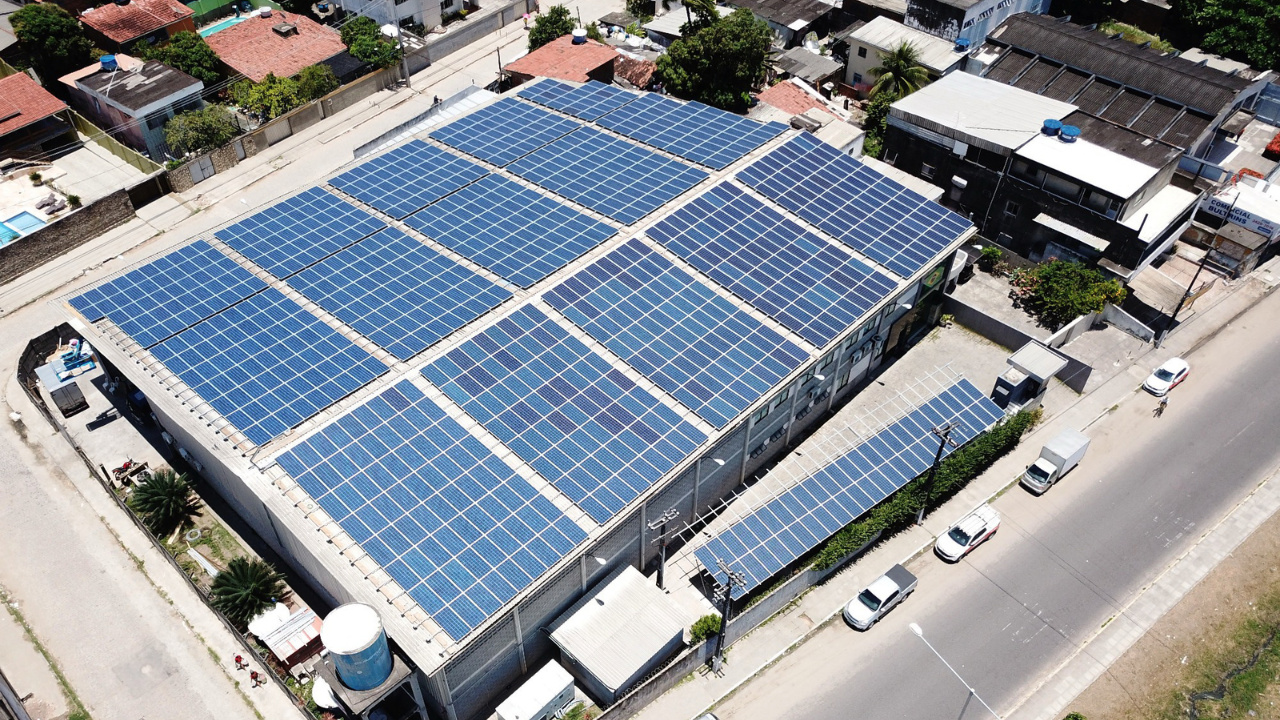

Medium Companies Accelerate The Adoption Of Solar Generation In Brazil, Attracted By Savings Of Up To 90% On Electricity Bills, Price Drops Of Systems And Ease Of Implementation.
The search for savings has led an increasing number of medium companies to invest in own solar generation. The savings on energy bills — which can reach 90% in some cases — has become a competitive differential in a market pressured by high operational costs. Today, this profile of company, with annual revenue between R$ 15 million and R$ 500 million, already accounts for 4.3 gigawatts (GW) of installed capacity in Brazil, according to data released by Valor Econômico this Monday (08/09).
This volume represents just over 10% of the total installed capacity of distributed generation in the country, which totals 42 GW. The growth is the result of an accelerated movement. In 2020, the annual capacity added by medium companies was 349 megawatts (MW).
In 2023, the number jumped to 1,180 MW, nearly four times more. By July of this year, 569 MW had already been installed, with a forecast to close 2025 at around 900 MW.
-
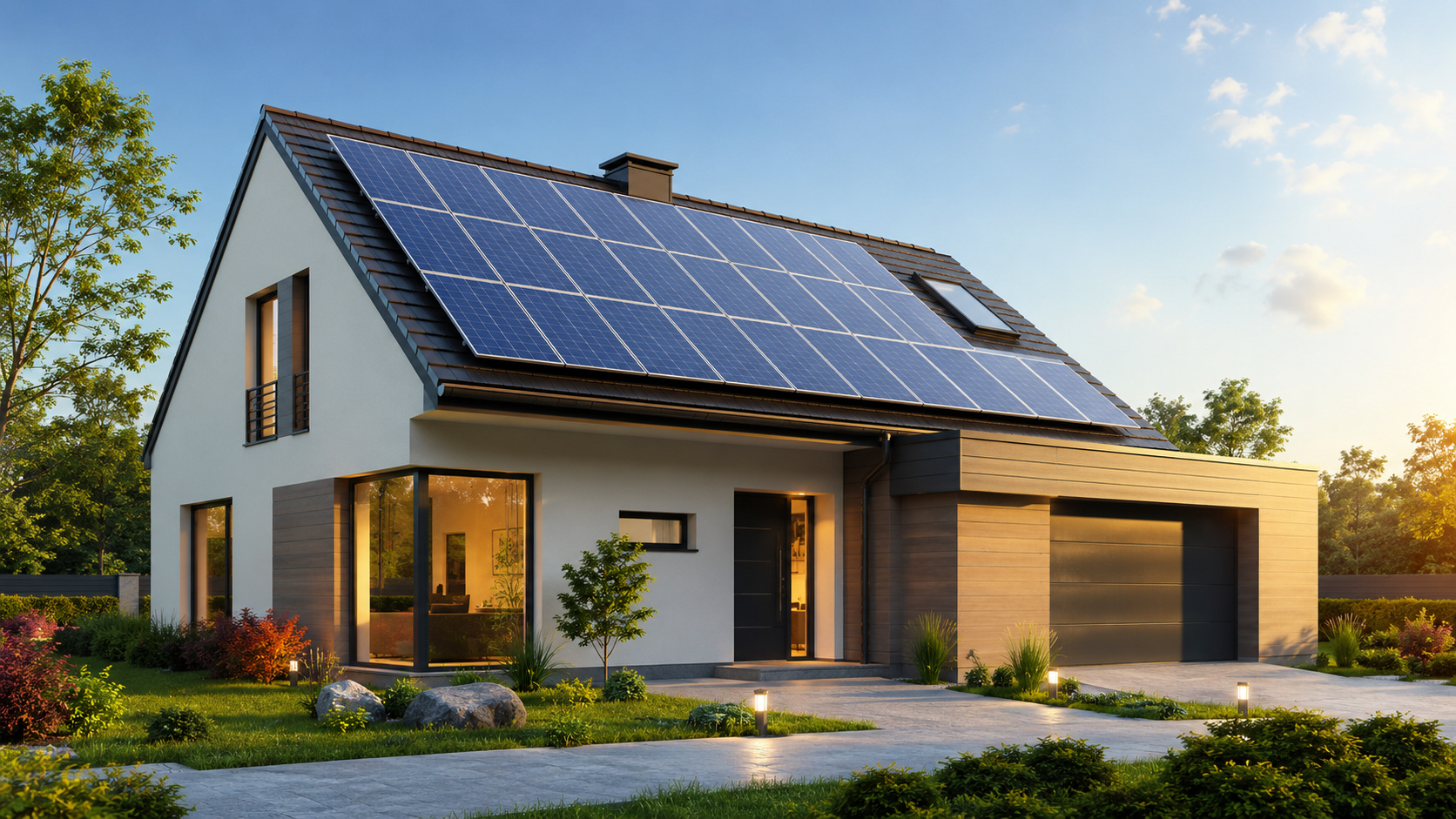
Solar energy can increase property value by up to 10% and become a selling point.

-
Solar and wind energy surpass natural gas for the first time in the world and accelerate energy revolution

-
Africa has about 500,000 cell towers and most still burn diesel to operate, while companies rush to cover antennas with solar energy and avoid signal blackouts.
-
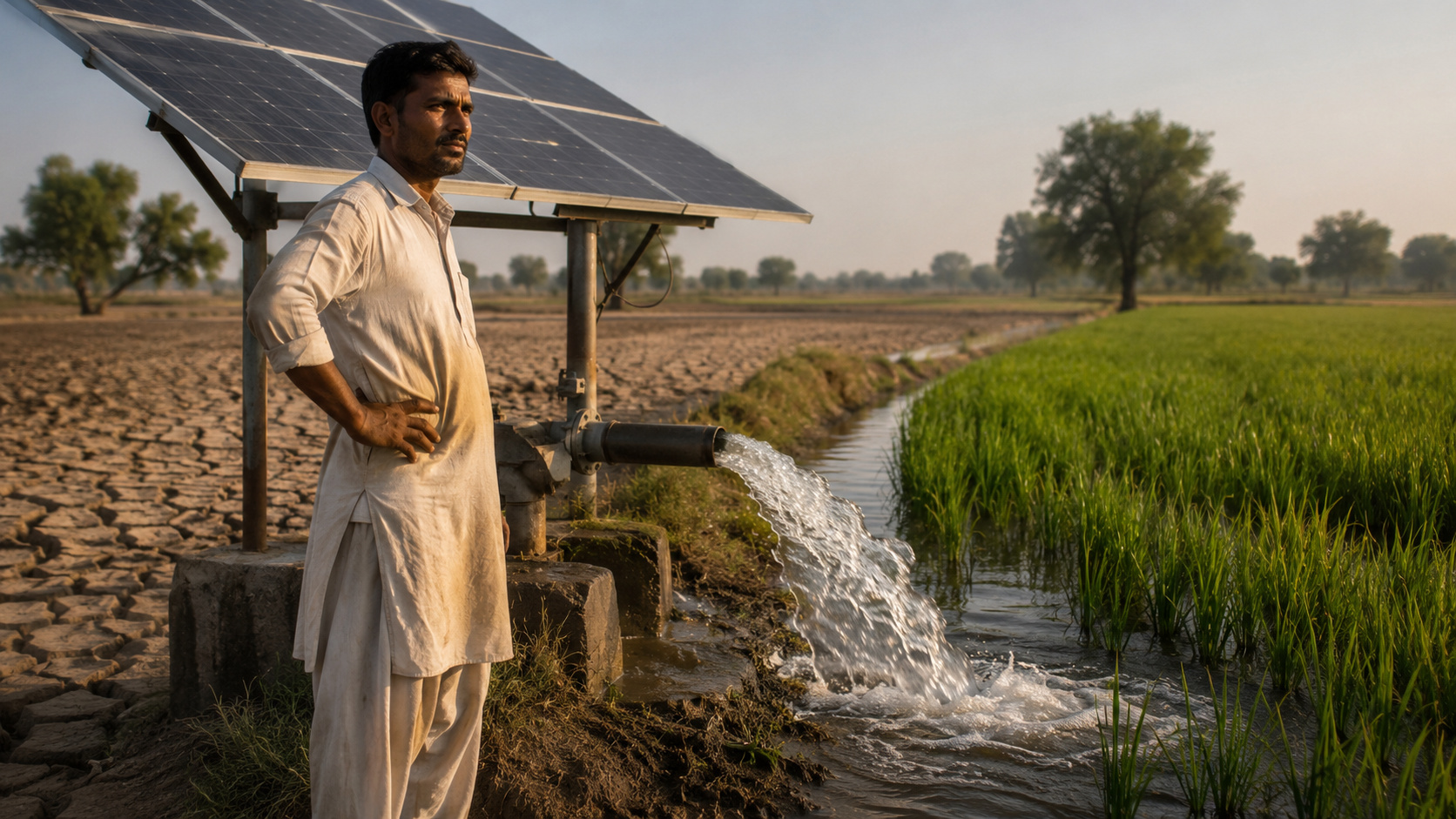
Farmers swapped diesel for solar panels in Pakistan, powered irrigation pumps almost cost-free, expanded rice fields, and now groundwater has become a red alert in the countryside.


Price Drops And Faster Return On Investment
Another factor that favored this leap was the reduction of costs for photovoltaic systems. According to Luiza Bertazzoli, intelligence director at Greener, the price of a 1 MWp system dropped 19% in just one year, from R$ 2.70 million in January 2024 to R$ 2.18 million at the beginning of 2025.
This scenario has shortened the payback period. While in 2023 the average period was 4.4 years for 4 kWp systems, today it stands at only 3.2 years. The decrease is explained by the oversupply of equipment, especially photovoltaic modules, from China.
According to Ronaldo Koloszuk, president of the Absolar Council, “the time has never been more favorable for the installation of solar systems in medium companies than now.”
Legislation And Charges Make Own Generation More Strategic
Changes in legislation have also been decisive. The new rules redefined the size of photovoltaic plants and included charges for using the distribution network to channel excess energy. This accelerated companies’ pursuit of own generation projects.
According to Donato da Silva Filho, director of Volt Robotics, electricity is one of the largest operational costs and is pressured by tariffs that often exceed inflation.
In addition, there are charges such as the Energy Development Account (CDE), which represents 25% of the electricity bill and could rise to 30% by 2030. With solar generation, companies can escape these adjustments and significantly reduce their exposure to these charges.
Ease Of Implementation And Extended Warranty
The implementation of photovoltaic systems has become more agile. “The installation works are becoming simpler and the time between project contracting and the start of energy generation is very short, which helps mitigate risks,” explains Silva Filho from Volt Robotics.
Another attractive feature is the durability of the systems. According to Koloszuk from Absolar, the modules come with a 25-year warranty and require minimal maintenance. This technical security increases companies’ confidence in the investment.
Practical Examples Of Companies That Invested In Solar Generation
In practice, the savings allow for redirecting resources to other areas of the business. Agristar, specialized in vegetable seeds and with a revenue of R$ 250 million, invested R$ 1.2 million in solar panels in 2019. At the time, the generation of 50,000 kWh per month met 95% of the demand at its headquarters in Santo Antônio de Posse (SP). Today, it covers 60% due to structural expansion. Even so, the financial return remains positive. “We can buy energy in the free market, which is cheaper,” highlights Silvio Valente, operations director.
Another example comes from Bohr, from Campinas (SP), with an annual revenue of R$ 120 million. The company, dedicated to recycling and manufacturing of electronics, invested R$ 5 million in a 3.5 MWp solar system. The return is expected between 36 and 48 months, according to Philipp Fox, director of research and development.
The Next Step: Systems With Batteries And Greater Energy Resilience
In addition to generation, the next investment cycle for medium companies should include storage batteries. The technology allows balancing the load during the day, reducing dependence on the distribution network and ensuring energy in cases of failures or extreme weather events.
According to Carlos Evangelista, president of the Brazilian Association of Distributed Generation (ABGD), “batteries play a relevant role in ensuring energy resilience during the occurrence of extreme weather events.”
The trend is already on the radar of the Bohr industry, which plans to adopt systems with batteries starting in 2026.