






 Portuguese
  Spanish


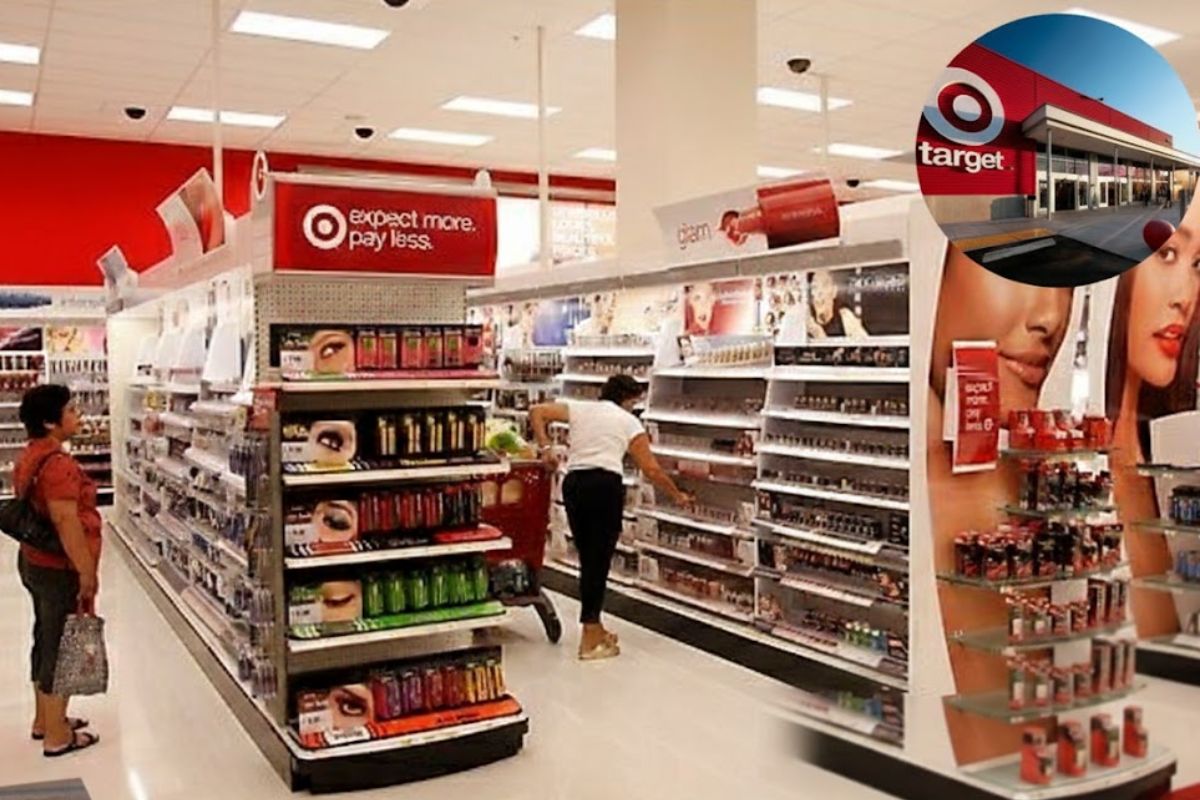

At Target, A Major Retailer Spread Across The United States, The Announced Cuts Eliminate 500 Positions Between Distribution Centers And Regional Offices, Added To Around 1,800 Recent Layoffs. The New CEO’s Plan Aims For Organized Shelves, Shorter Lines, And Fewer Stockouts, With More Hours And Training At The Chain’s Stores.
Target, the major retailer with nearly 2,000 stores in the United States, announced a plan to eliminate 500 positions in distribution centers and regional offices, while also promising to increase direct investment in store operations. This move comes as the company tries to address recurring complaints from customers about simple, yet critical, problems in the shopping experience.
The repositioning is led by the new CEO, Michael Fiddelke, who takes on the mission of resuming growth after a period in which annual sales remained practically stable for about four years. The stated strategy is to tackle what most wears down the in-store experience: messy shelves, long checkout lines, and stock shortages.
Where The Cuts Are And What This Redistribution Signals At The Major Retailer

Within the 500 eliminated positions, the described breakdown is straightforward: approximately 100 positions are in regional management levels and around 400 are concentrated in distribution centers.
-
Brazil’s 2026 Tax Refund: Record 9.58 Million Filers in Largest Payout Ever, But a Key Detail on Priority Recipients Draws Nationwide Attention

-
Itaú Alters Hybrid Work Model, Increasing Office Days from 2028, Prompting Employees to Adjust to New Routine
-
Facing Labor Shortage, Japan Plans to Invest $34 Million to Attract Foreign Workers in Construction, Healthcare, Industry, and Commerce

-
Brazilian City Makes Remarkable Leap, Becomes 4th Wealthiest in the Country with GDP of R$ 134.1 Billion




This move adds to a previous cut of about 1,800 employees last year, noted as the company’s first major layoff in a decade, and reinforces that the reorganization is not a one-off event but part of a redesign of priorities.
The logic behind this type of decision is typically to shift weight from the “middle” to the front lines, where the customer perceives results.
By reducing store districts, for instance, the major retailer tends to shorten layers of regional coordination and concentrate supervision routines, standardization, and problem response, to free up more execution capacity at the front line.
The message is simple: less structure far from the aisle and more energy where purchases happen.
Why Distribution Centers Are Considered When The Problem Appears On The Shelf
For consumers, a lack of product is a lack of product, regardless of where the failure originated. However, from an operational standpoint, an empty shelf is usually the last link in a chain that involves demand forecasting, replenishment, order picking, transportation, and receiving.
Distribution centers are critical nodes in this flow: it’s where stock is organized, prepared, and shipped to replenish stores at the pace required by promotions, seasonality, and regional variations.
When a major retailer alters positions in this area, the question that arises is “how much” does this affect replenishment.
The answer depends on how the work is redesigned: cuts without process adjustments increase the risk of stockouts; cuts with reorganization of routes, delivery windows, prioritization of items, and improved execution can reduce waste and reinforce efficiency.
This is why the company links the change to investments in the store, as if to say that the goal is not to “remove capacity,” but rather to relocate capacity within another part of the system to reduce irritations that lead to cart abandonment.
The New CEO And The Promise To Tackle The Three Pain Points That Make Customers Abandon Their Purchases
Michael Fiddelke takes over focusing on a variable that retail measures every day, even when it doesn’t appear in an advertisement: friction inside the store.
Messy shelves suggest low standardization and inadequate restocking; long lines are a symptom of an insufficient staff scale to handle peak traffic; product shortages are the visible result of poor decisions regarding inventory, replenishment, and execution.
When these three signals appear together, the customer’s feeling is one of neglect.
The stated proposal is to win back those who complain specifically about these issues, with a reduction in the number of districts and an increase in work hours in stores.
In practice, this usually means redesigning replenishment routines, prioritizing peak hours, adjusting product positioning, and improving operational discipline from receiving to checkout.
In a major retailer with national presence, small recurring failures across hundreds of units become a “pattern” in public perception, so the strategy tends to seek consistency: less variation from store to store, more predictability for the customer.
More Hours, More Training, And What Changes For Those On The Front Lines
A central point of the plan is the increase of work hours for teams that directly serve customers.
The company also communicated, through internal channels, the intention to invest more in payroll at stores, focusing on labor and overtime where there is higher need, alongside customer experience training for teams.
The bet is that lines and disorganization cannot be solved just by talk, but with enough and well-prepared staff at the right time.
At the same time, it was reported that the announcement does not alter starting salaries, which range from US$ 15 to US$ 24 per hour, depending on the location.
This creates an important contrast: cuts are made in regional structures and distribution, but attempts to preserve attractiveness and stability at entry-level, while reinforcing the use of hours and overtime to adjust bottlenecks in service and replenishment.
For a major retailer, this balance is delicate: investing in more store presence improves perception, but requires constant execution for the customer to truly notice shorter lines and more available products.
Nearly 2,000 Stores, Stable Sales, And The Challenge Of Regaining Pace Without Losing Identity
Target is one of the largest retail chains in the United States, founded in 1902 and headquartered in Minneapolis, Minnesota, operating nearly 2,000 stores across the country.
Its model revolves around the idea of “stylish retail at affordable prices,” with a broad assortment that includes clothing, electronics, food, home items, beauty, and decor.
In such an ecosystem, the shopping experience does not depend solely on price, but on organization, availability, and speed, because the consumer enters to resolve various needs in a single visit.
When sales remain practically stable for years, the temptation is to seek growth solely through expansion, but chains of this size are already mature.
The most common alternative is to extract more results from what already exists: increase conversion in-store, reduce cart abandonment at checkout, decrease stockouts of items that drive purchases, and improve operational consistency.
Therefore, the focus on shelves, lines, and stock sounds less like a detail and more like the core of strategy, especially for a major retailer that relies on volume and repeat visits to sustain performance.
And you, what makes you most likely to abandon a purchase in a physical store: long lines, out-of-stock products, or disorganization that gives the sense of chaos?
Have you ever switched stores or abandoned your cart because of this, and what would have improved your experience at that moment?







