






 Portuguese
  Spanish


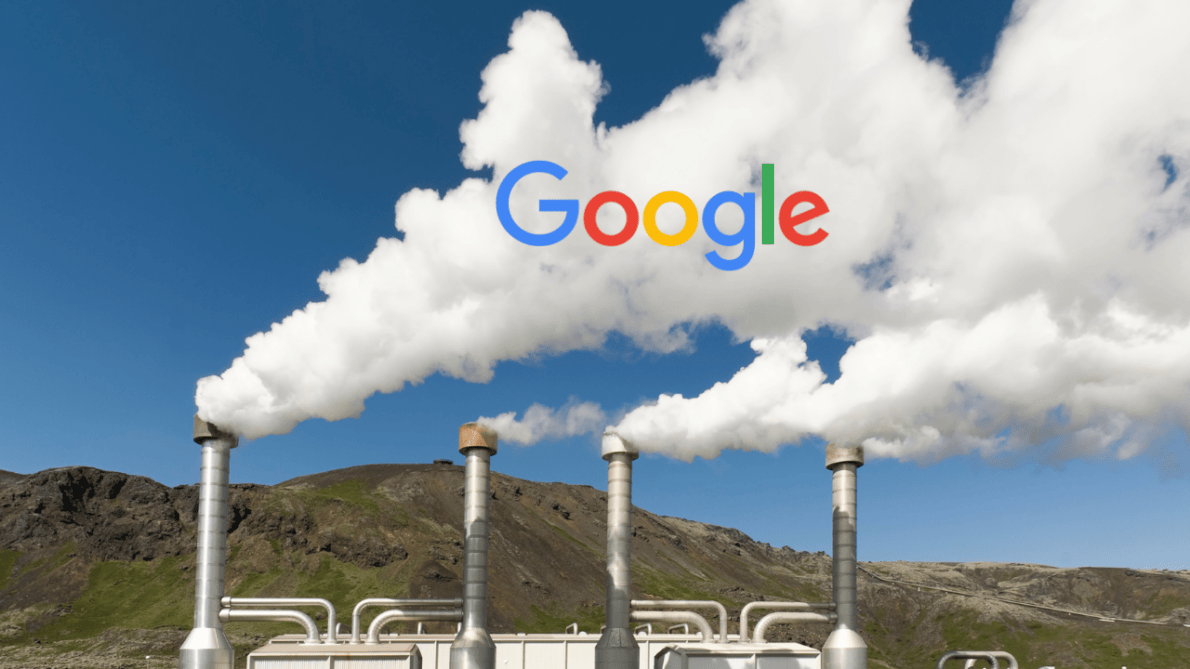

Google Signs Unprecedented Deal to Use Geothermal Energy in Taiwan, Doubling the Country’s Capacity and Advancing Toward Its Zero Carbon Goal by 2030.
Google has taken a strategic step toward global sustainability by announcing its first purchase agreement for geothermal energy in Asia. The tech giant partnered with Swedish company Baseload Capital to add 10 megawatts of clean energy to Taiwan’s power grid by 2029.
The agreement marks not only Google’s debut with this type of energy source in Asia but also the first time a corporation uses geothermal energy in Taiwan. The initiative reinforces the company’s commitment to operate on 100% carbon-free energy, 24 hours a day, by 2030.
Expansion of Clean Energy in Taiwan
With the addition of this new energy capacity, Taiwan’s commercial geothermal energy will be doubled, representing an important milestone in the country’s energy transition.
-
Brazilian scientists are simultaneously advancing two research projects on clean hydrogen and driving solutions that could transform the energy matrix, enhance industrial competitiveness, and accelerate large-scale emission reduction targets.

-
Advancement in renewable energy: A R$ 150 million project launched by Petrobras and Finep aims to create state-of-the-art electrolyzers for green hydrogen, strengthening national research and preparing Brazil to compete in a billion-dollar energy market.
-
Illiterate or semi-literate grandmothers were trained to repair solar systems, open rural workshops, and light up homes that still depended on kerosene.
-
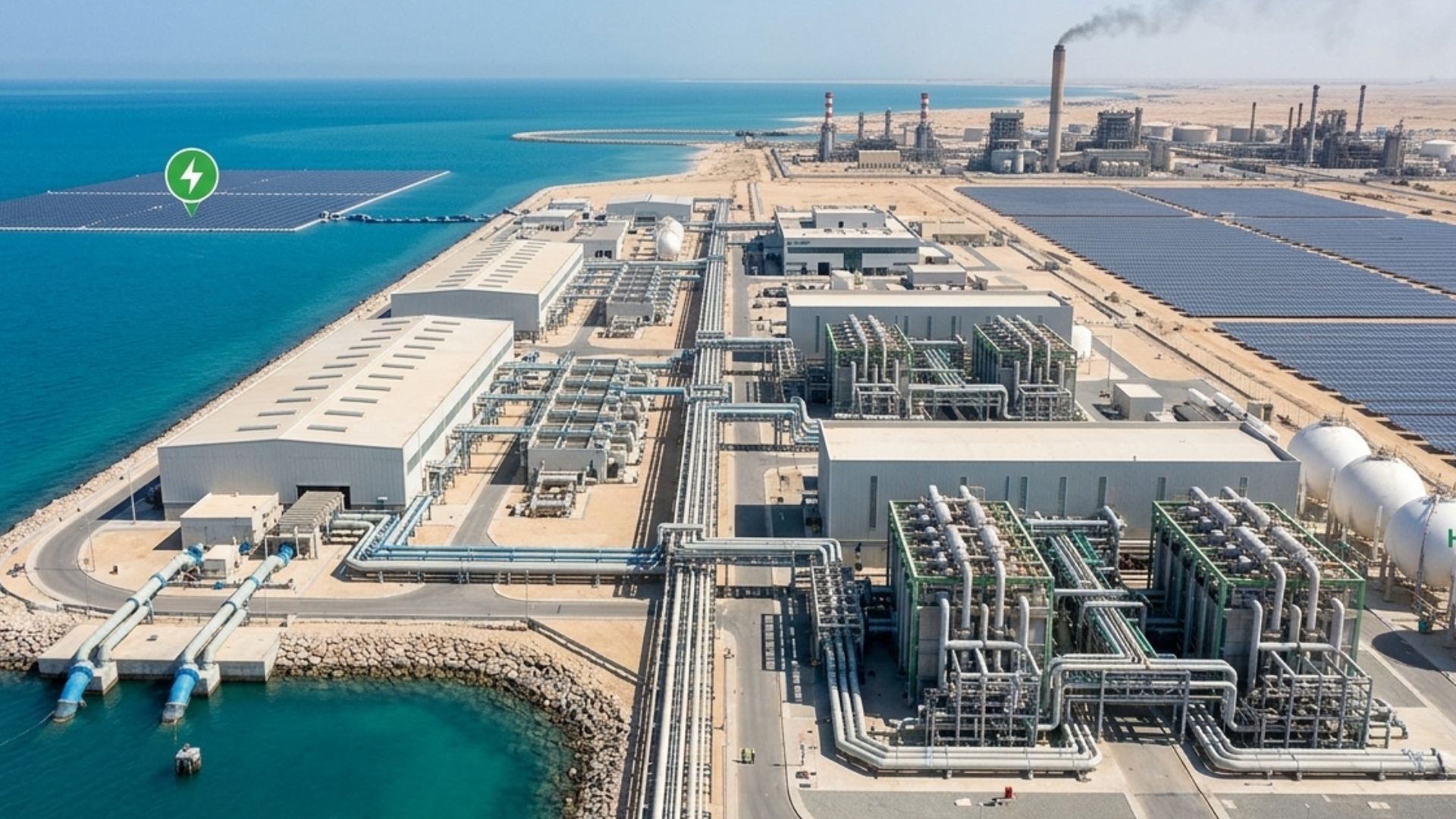
The world has bet on green hydrogen as the fuel of the future, but now faces the side effect: producing 1 kilogram requires about 9 liters of ultrapure water, and the largest projects on the planet are precisely in the driest regions of the Earth, where water is already scarce for people.




The supply will be directed to power Google’s data centers, offices, and research facilities, including the company’s largest hardware development center outside the United States.
The technology harnesses heat from the Earth’s interior, being a continuous renewable source and essential for reducing dependence on fossil fuels.
This directly contributes to the fight against climate change—a priority issue in the company’s environmental strategies.
Google’s Strategic Investment
In addition to the energy purchase, Google also announced a direct investment in Baseload Capital, strengthening its active role in developing sustainable solutions.
Although the amounts involved have not been disclosed, the move shows that the company is willing to finance the expansion of geothermal energy on a global scale.
Outside of Taiwan, Google is already working with U.S. startup Fervo Energy to advance technologies that allow for geothermal energy exploration in areas without natural reservoirs.
The company is also exploring new projects in countries such as Indonesia, Japan, and Australia, in partnership with local universities.
According to Michael Terrell, Google’s director of clean energy and carbon reduction, the new agreement represents a model to be followed: “We hope this pioneering agreement encourages other companies to invest in geothermal energy in Asia and other parts of the world,” he stated.








