Portuguese
  Spanish


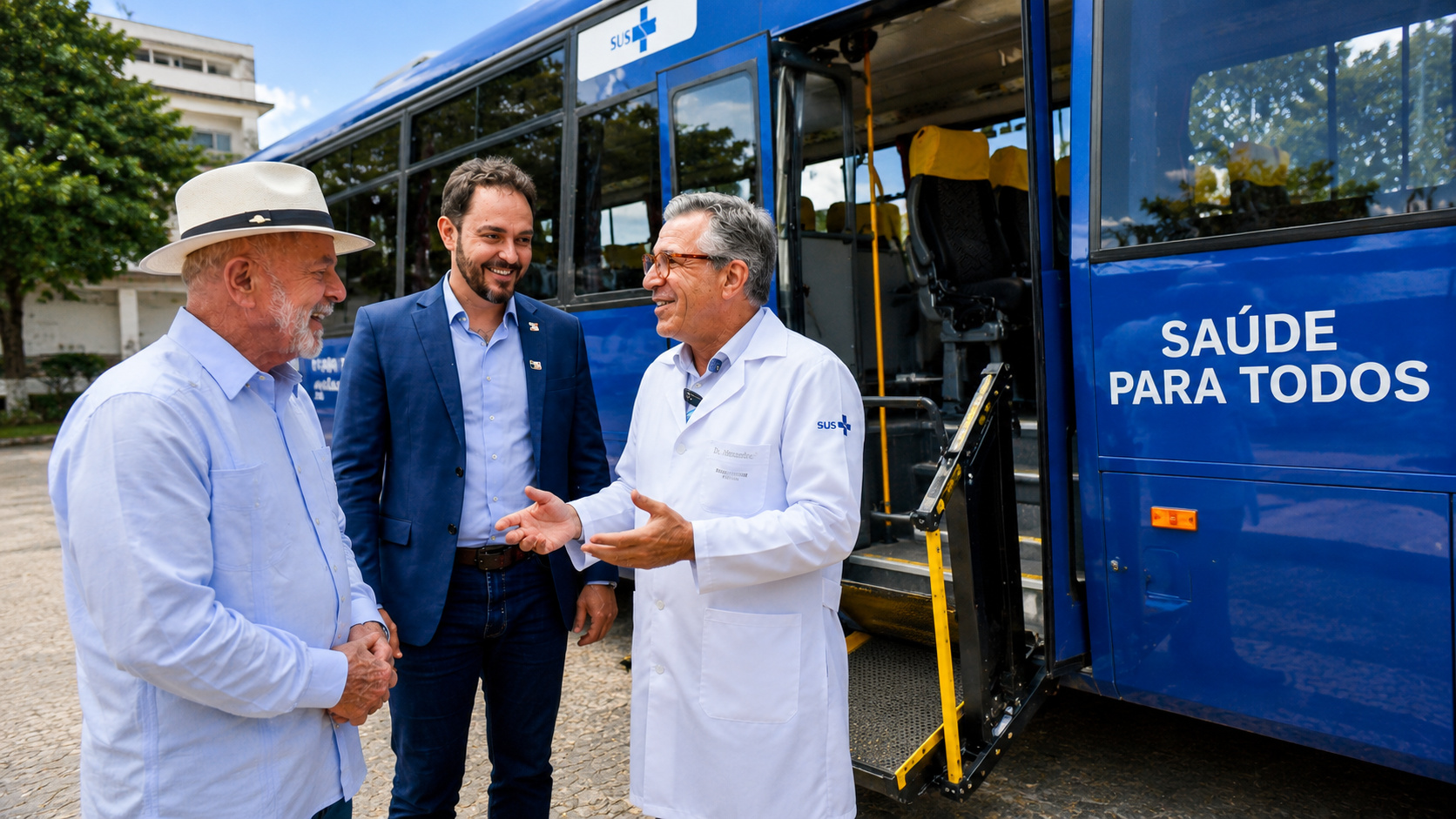

Package announced by the federal government expands access to cancer treatments, unlocks drugs awaited for years, and strengthens high-complexity procedures in the public network
A package with a major impact on public health was announced by the federal government this Friday, August 15, attracting national attention. President Luiz Inácio Lula da Silva and Health Minister Alexandre Padilha announced R$ 2.2 billion to expand cancer treatments through the Unified Health System.
According to the Planalto Palace, the amount represents the highest value ever recorded in the public health network for this purpose. Additionally, the package includes a new SUS funding table to offer 23 high-cost cancer drugs.
Cancer drugs unlock awaited treatments
As reported by the federal government, the new structure should increase the availability of drugs in the public network by 35% and benefit 112,000 patients. Therefore, the measure represents a historic unlock for first-line cancer therapies that, although already incorporated, awaited up to 12 years to reach patients.
-
Brazil Faces Caregiver Shortage Despite Having 34.1 Million Elderly, Highlighting a Major Challenge for Families

-
Brazil’s Assaí Generates $4 Billion in Quarterly Revenue, Profits $16.7 Million, Highlighting High Tax Burden

-
Former Marketing Agency Owner Thrives on Foraging for 250 Days, Sampling Over 170 Plants, and Says He No Longer Remembers Supermarkets
-
IKEA’s AI Handles Nearly Half of Customer Calls, Company Reassigns 8,500 Staff as Design Consultants, Boosting Revenue by €1.3 Billion


In total, ten drugs will be purchased directly by the Ministry of Health and distributed to the states. Meanwhile, the others will be offered through the Authorization of Outpatient Procedure, known as Apac, with federal funding.
Treatments cover 18 types of cancer
According to the federal government, the drugs cover 18 types of cancer, including breast, lung, leukemia, ovary, and stomach. Additionally, depending on the type of treatment, the patient can save up to R$ 630,000 if seeking care in the private network.
During the announcement, Lula stated that the State has the role of ensuring justice and equal opportunities. According to the president, Brazil has entered a “route of civility,” where the poor will not be treated as invisible.

Breast reconstruction will have expanded access through SUS
In addition to medications, the package also expands access to breast reconstruction surgery through the SUS. According to the government, the proposal seeks to democratize procedures of high complexity and promote physical and psychological rehabilitation.
Now, the right to reconstructive plastic surgery extends to all cases of breast mutilation, total or partial. Previously, this right was limited to the sequelae caused by cancer treatment.
Robotic surgery will be funded for prostate cancer
With the expansion, the estimated investment for breast reconstruction will be R$ 27.4 million per year. Therefore, the amount represents an increase of approximately 13% compared to 2025, according to the federal government.
For prostate cancer, the SUS will now have permanent funding for oncological robotic surgery. In this case, the announced investment will be R$ 50 million, as informed by the Palácio do Planalto.
What changes for SUS patients
The technology allows for greater surgical precision and better visualization of anatomical structures during the procedure. Additionally, patients may experience less blood loss during the operation, reducing the need for transfusions.
According to the federal government, about 5,000 men could benefit from robotic surgery in the treatment of prostate cancer. Given this advancement, to what extent can the expansion of these treatments change the reality of patients who rely exclusively on the SUS?