Portuguese
  Spanish


Federal government proposal places the transfer of used vehicles at the center of a digital change that could alter currently in-person steps, reduce travel, involve notaries and Detrans, and affect millions of transactions carried out every year in the Brazilian automotive market.
The federal government plans to allow the purchase and sale of used vehicles to be done directly through the CNH do Brasil app, without the need to travel to notaries or for in-person inspections at Detrans.
The proposal was presented by the Minister of Transport, George Santoro, this Tuesday (09), during an interview on the program “Bom Dia, Ministro,” by EBC, amid the expansion of digital services related to licensing in the country.
The change is not yet in effect and depends on consultation stages, regulation, and integration with state traffic systems.
-
Black Granite Sarcophagus Found in Alexandria Reveals Three Skeletons, Strange Liquid, and an Ongoing Archaeological Mystery in Egypt

-
Childhood Psychology: Experts Highlight How Playing Outdoors Until Dusk Boosted Autonomy, Decision-Making, and Resilience in Previous Generations, Influencing Adult Behavior Today
-
4,000-Year-Old Stone Circle Discovered Near Belfast, Unveiling Prehistoric Ritual Complex in Irish Countryside

-
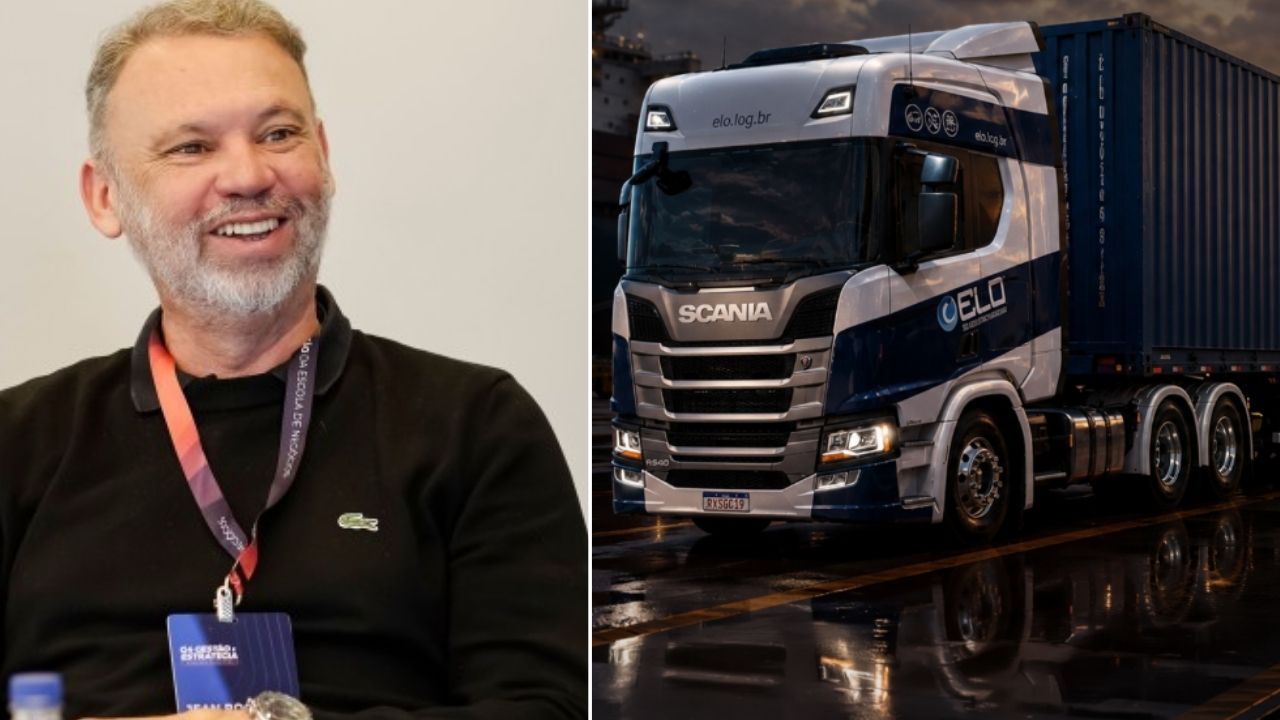
Former Truck Driver from Brazil Builds Logistics Company Aiming for $70 Million Revenue with 11 Branches, 700 Monthly Clients, and $10 Million Fleet Investment



According to Santoro, the project is in the final stages of development and will undergo debates before final implementation.
The intention of the Ministry of Transport is to concentrate the steps of property transfer on the mobile, with national standardization of the procedure.
“Our intention is to be able to make the purchase and sale of used vehicles directly on the app, without having to take the car for an inspection, go through all the bureaucratic process, having to go to the notary, which today is an epic,” said the minister during the interview.
Transfer of used vehicles via the app
Today, the transfer of ownership of a used vehicle usually involves notarization, registration with the state traffic authority, and inspection, according to the rules applied by Detrans in each state.
Under the plan being studied, these in-person steps would be replaced by a digital flow within the CNH do Brasil, with validation of the necessary information to formalize the negotiation between buyer and seller.
According to the Ministry of Transport, the proposal aims to reduce bureaucracy, speed up the process, and standardize procedures across the country, avoiding operational differences between states.
Santoro stated that the measure could reach a market with more than 10 million used vehicle purchase and sale transactions per year in Brazil.
The data was cited by the minister to gauge the potential reach of digitalization, although the government has not yet detailed the implementation schedule or the technical rules of the new system.
“The government will introduce another service using technology, solution, and standardization across the entire country,” declared Santoro.
The digital transfer, according to the presentation made by the minister, should follow the strategy of migrating public services to digital platforms, but it will still depend on regulation and integration with state databases.
Public consultation should adjust the model
The Ministry of Transport reported that the project is practically ready but will be submitted to consultations before going into operation.
The stage should receive contributions, adjust operational points, and define how the transition between the current model and the digital format will be made.
Among the points still lacking public detail are security criteria, the method of verifying the identity of the parties, the handling of vehicle issues, and integration with the Detrans systems.
There is also no official confirmation on the launch date of the functionality.
The digitization of buying and selling used vehicles involves ownership, public registration, tax responsibilities, and any administrative or judicial restrictions.
Therefore, the definition of operational rules should establish which stages will be automated and which procedures will remain under the responsibility of traffic authorities.
Although the government has mentioned the possibility of eliminating in-person stages, the final text of the proposal has not yet been released.
There is also no official information on any exceptions, restrictions, or specific procedures for vehicles with administrative, financial, or judicial issues.
CNH do Brasil expands digital services
The digital transfer proposal relies on the expansion of the CNH do Brasil, a platform created by provisional measure in December 2025 and sanctioned by President Luiz Inácio Lula da Silva on June 5, 2026.
The new law modernized rules for issuing the National Driver’s License and created mechanisms for automatic renewal for good drivers, within an agenda of digitizing services related to traffic.
According to the Social Communication Secretariat of the Presidency, the CNH do Brasil reduced costs for obtaining licenses in categories A and B, expanded options for free digital study, and maintained the possibility of using driving schools and accredited instructors.
Secom also reported that more than 1.33 million new licenses have been issued since the platform’s launch.
The sanction of the law occurred after the approval of Provisional Measure 1.327/2025 by the National Congress.
In the process, the Senate maintained the requirement for physical and mental fitness exams for renewal but preserved the logic of administrative simplification for drivers registered in the National Positive Driver Registry.
According to Agência Brasil, automatic renewal reaches good drivers and allows the waiver of costs for those who have not committed infractions subject to points in the previous 12 months.
The Palácio do Planalto reported that about 2 million drivers had already benefited from automatic renewal by the time the law was sanctioned.
States resist the new CNH
During the program, Santoro also mentioned resistance from some states to the implementation of the new CNH.
According to the minister, São Paulo, Rio de Janeiro, Paraná, and Mato Grosso are among the entities with the greatest opposition to the model adopted by the federal government.
The minister stated that the government may adopt firmer measures against federative units that resist adopting the new rules.
The statement was made in the context of the implementation of Brazil’s CNH, while the potential digital transfer of vehicles still depends on coordination with state traffic agencies.
George Santoro took over the Ministry of Transport in April 2026, after the departure of Renan Filho, who left the position due to electoral disqualification rules.
Before taking office, Santoro was the executive secretary of the ministry and began to lead the infrastructure and service modernization agenda related to the sector.
The proposal for buying and selling via the app still needs to go through the stages of consultation, regulation, and technological integration.
Until the conclusion of this process, the procedures required by traffic agencies for the transfer of ownership of used vehicles in Brazil remain in effect.