Portuguese
  Spanish


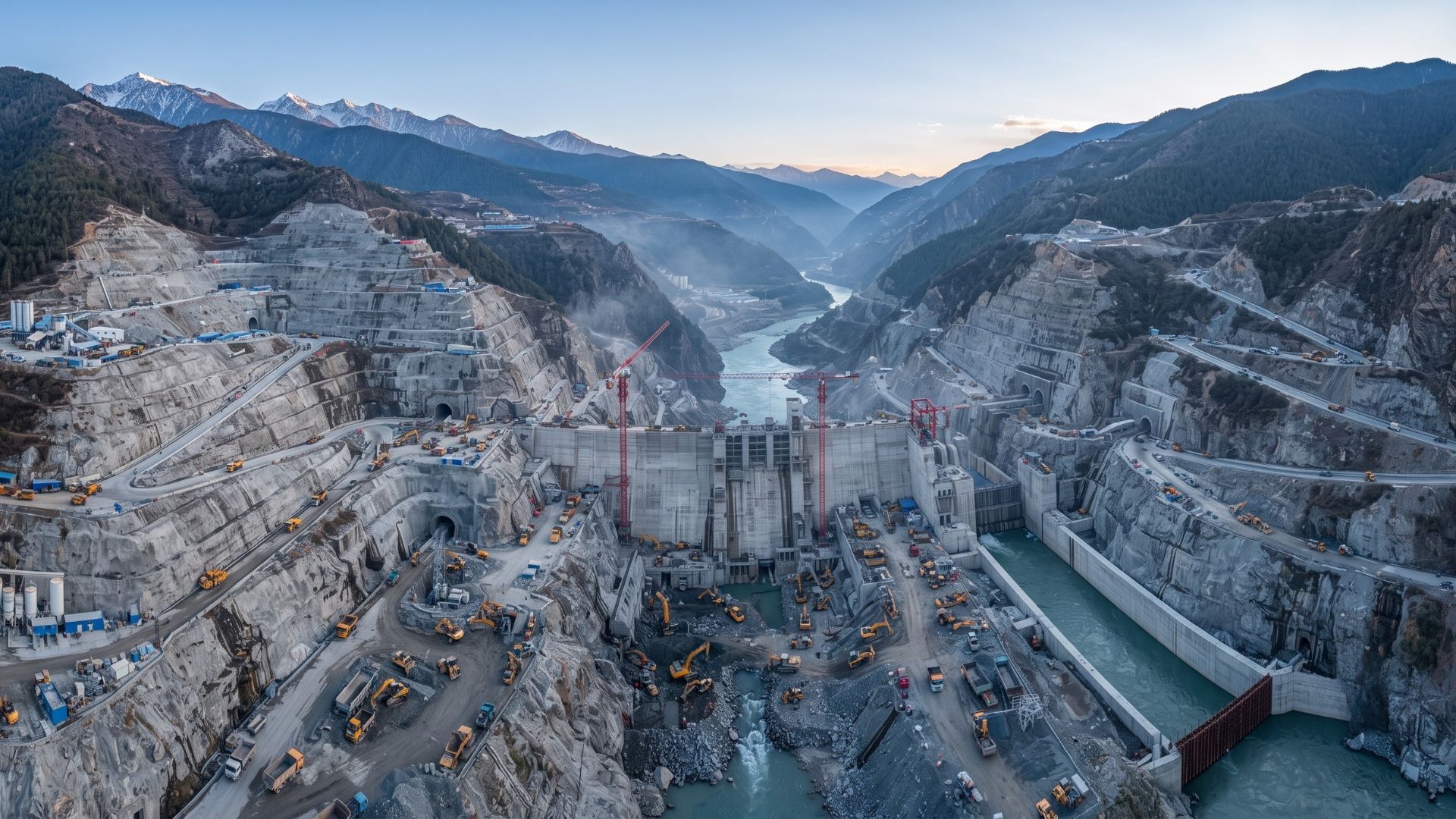

China has started the Medog plant in Tibet, the world’s largest hydroelectric project, with five dams and geopolitical impact on the Brahmaputra.
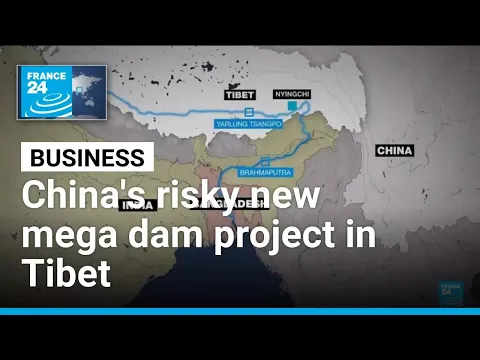
On July 19, 2025, China began the construction of what it describes as the world’s largest hydroelectric project on the lower course of the Yarlung Zangbo River in Tibet. The ceremony was presided over by Premier Li Qiang in Nyingchi, and the venture was launched with an estimated investment of about 1.2 trillion yuan, equivalent to approximately US$ 167.8 billion.
The complex will have five cascading plants and is designed to generate about 300 billion kilowatt-hours per year, a volume that comfortably surpasses the scale of the Three Gorges hydroelectric plant. For Beijing, it is a central piece of energy supply; for downstream countries, the project opens a new front of tension around water, sediments, water security, and environmental risks in one of Asia’s most sensitive regions.
China’s largest hydroelectric project began in Tibet with five cascading dams and billion-dollar investment
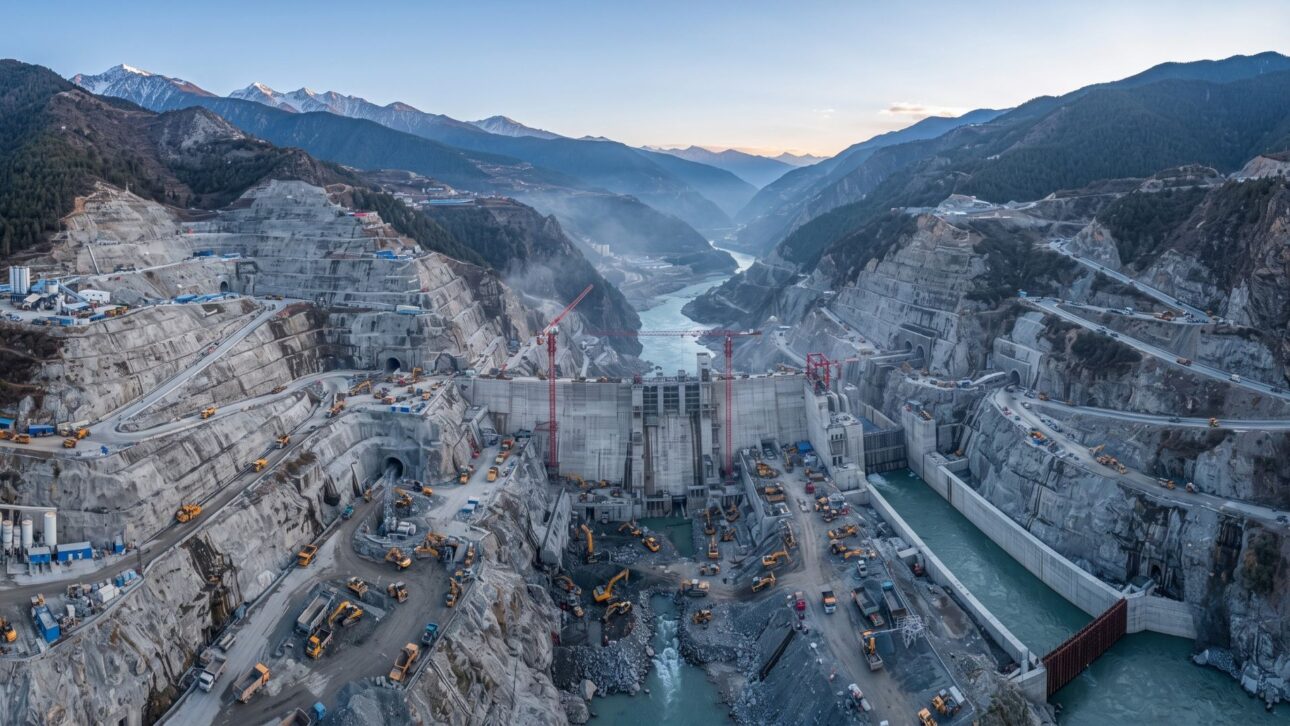
According to Xinhua, the project was officially inaugurated with a ceremony at the Mainling plant site in Nyingchi and will consist of five cascading dams.
-
China’s Engineered Bamboo: The “Material of the Future” Stronger Than Steel and a Sustainable Wood Alternative

-
Egypt’s “New Nile”: 170 km Artificial River Aims to Turn Desert into Farmland, but Water Supply Concerns Loom
-
Unable to secure a mortgage as a self-employed single mother, she designed her own floating home from a 20-meter boat and now lives “off-grid” with her two children and solar panels on an English canal.
-
Man Transforms Rusty Shipping Container into Luxury Home with Insulated Walls, Large Windows, and Drywall Finish, Surprising Onlookers


The state agency also reported that the electricity produced will be primarily directed for consumption outside Tibet, although part of the load will also meet local demand in Xizang, the official Chinese name for the region.
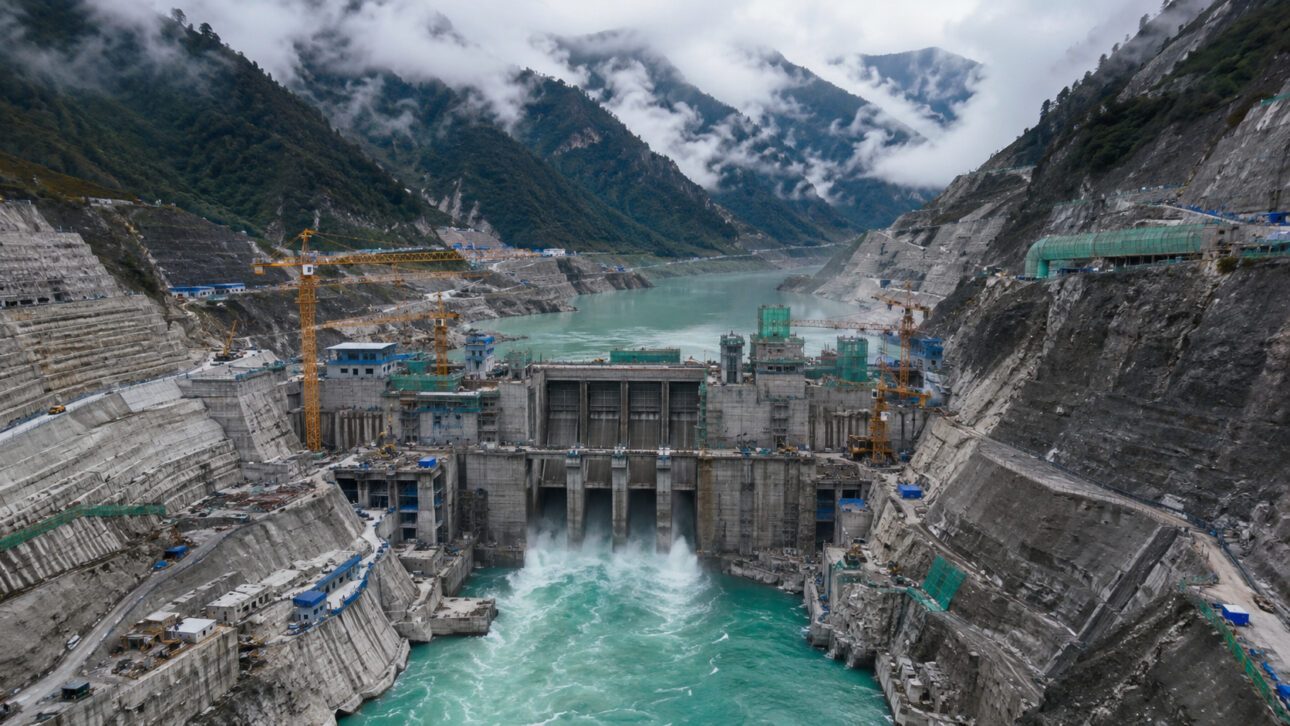
Reuters reported that the venture is located on the eastern edge of the Tibetan Plateau, on the lower Yarlung Zangbo, and is expected to become the world’s largest in hydroelectric generation. The same report states that the operation is China’s most ambitious since Three Gorges and that its commissioning is expected sometime in the 2030s.
A drop of 2,000 meters in 50 kilometers turned the Yarlung Zangbo into a target of Chinese energy engineering
The strength of the project is directly linked to the extreme geography of the river. Reuters reports that, in a stretch of about 50 kilometers, the Yarlung Zangbo drops approximately 2,000 meters, creating one of the largest hydropower potentials ever explored on a commercial scale.
This exceptional drop explains why the region has come to be treated as strategic for China’s energy expansion. Instead of a standalone dam, the government opted for a cascade system that concentrates generation in one of the most aggressive points of the Himalayan terrain.
Mega power plant in Tibet became a central piece of China’s energy and climate strategy
When the project was approved in December 2024, Beijing stated that the project would play a positive role in economic development and the reorganization of China’s energy matrix. Reuters reported at the time that the dam was presented as part of the effort to support China’s goals of peak emissions before 2030 and carbon neutrality by 2060.

Besides the climate argument, the Chinese government associates the project with energy security, infrastructure expansion, and economic stimulus.
Reuters reported that the announcement of the start of construction was read by the market as a sign of new momentum in heavy investment, with immediate impact on engineering, materials, and tunnel equipment stocks.
India and Bangladesh see risk to the Brahmaputra and reinforce alert on water security
The regional concern exists because the Yarlung Zangbo does not end in Chinese territory. After leaving Tibet, it enters India and becomes part of the Brahmaputra system, before heading to Bangladesh, which makes any major upstream intervention a topic of international water security.
In January 2025, India officially stated that it had conveyed its concerns to Beijing. According to Reuters, New Delhi demanded that China ensure that the interests of downstream regions are not harmed, while Bangladesh also expressed apprehension about possible effects on water supply and environmental stability.

Reuters also reported that the lack of technical details disclosed by Beijing has increased concerns in India about flow, sediment retention, and strategic use of infrastructure in a geopolitical corridor already marked by border disputes.
At the same time, experts consulted by the agency consider that the impact on the total volume of the Brahmaputra may be less than part of the political discourse suggests, because a large part of the river’s water comes from monsoon rains south of the Himalayas.
Seismic region, landslides, and ecological sensitivity increase the environmental risk of the Medog plant
The project will be executed in an area prone to earthquakes, landslides, severe weather events, and glacial lake floods.
Reuters highlights that this set of threats makes the construction particularly delicate and raises doubts about operational safety and accumulated impact over the coming decades.
The environmental debate also involves biodiversity and changes in river behavior. Reuters reported that non-governmental organizations warn of potential damage to one of the richest and most diverse environments of the Tibetan plateau, while China maintains that the project will not have a significant effect on the environment or on the supply of downstream countries.
Medog project transforms water, energy, and border into a single strategic axis for Asia
The new mega-dam combines three agendas at the same time: expansion of low-carbon energy, reinforcement of national infrastructure, and greater control over a transboundary river vital for South Asia. Therefore, the project has moved from the field of engineering to the center of a larger dispute over sovereignty, water security, and strategic resource management.
If it meets the official projections, the plant started in 2025 will redefine the global scale of hydroelectric generation. However, as construction progresses in the 2030s, the real impact of Medog will be measured not only in turbines and kilowatt-hours but also in transparency, regional stability, and effects on one of the planet’s most sensitive river systems.