Portuguese
  Spanish


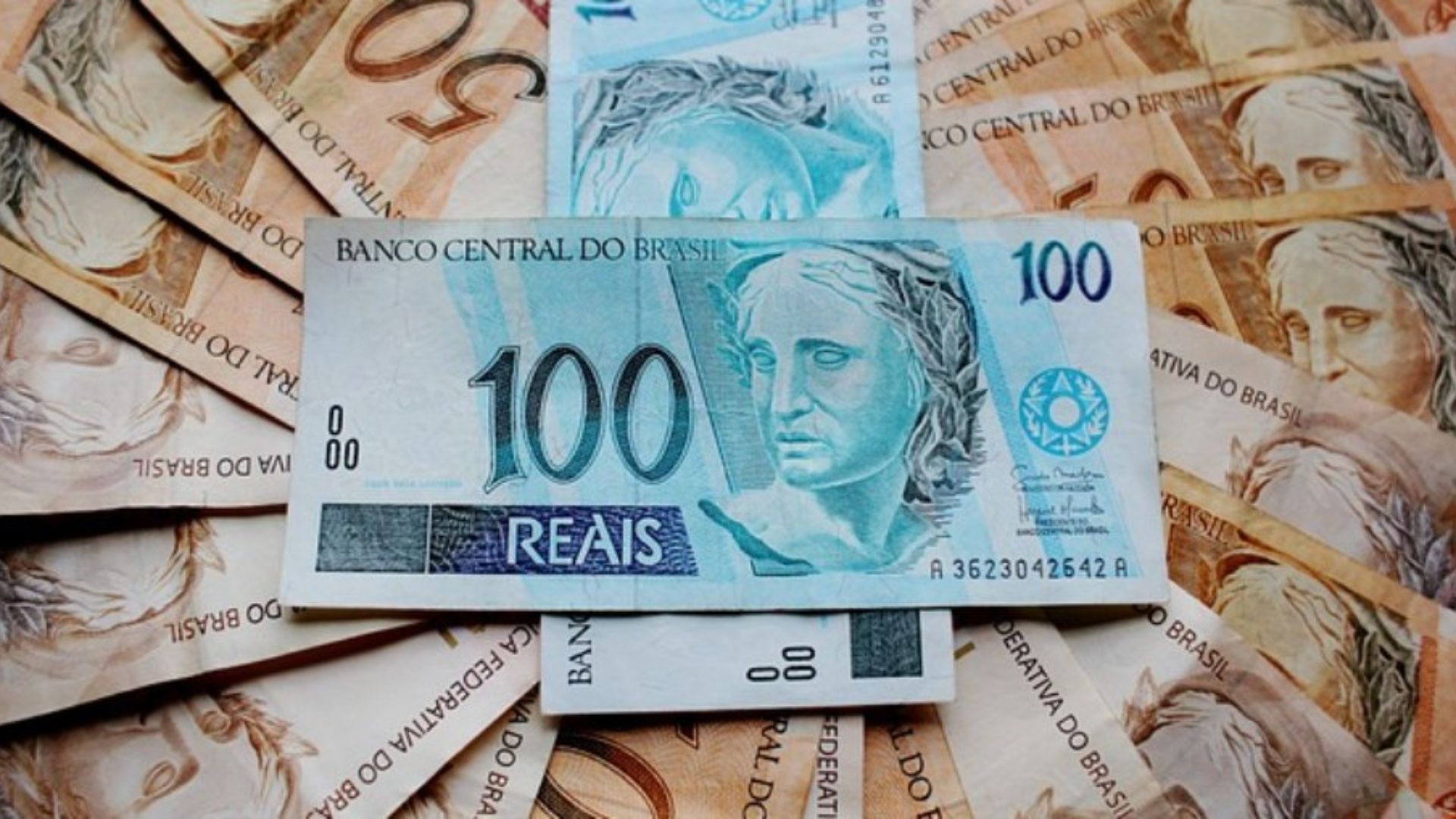


New Minimum Wage for 2025 Is R$ 1,518 and Directly Impacts the Income of Almost 60 Million Brazilians. The Change Ensures Real Gains Above Inflation, but Is Now Limited by Law Until 2030.
The minimum wage in effect in 2025 is R$ 1,518. This amount results from the replacement of accumulated inflation and an additional real gain, directly affecting the income of workers and beneficiaries of public policies referenced by the national floor.
The measure was formalized by presidential decree and now serves as a reference for salaries, benefits, and floors tied to the minimum wage.
What Is Valid in 2025
With the new floor, the total adjustment reached 7.5% compared to the R$ 1,412 practiced the previous year.
-
As Brazil Expands Social Welfare, Survey Reveals 40% Blame Poverty on Laziness, While 58% Cite Lack of Opportunities

-
China Tightens Control on Antimony, Driving Prices from $22,000 to Nearly $40,000 per Ton as U.S. Rushes to Bolster Strategic Reserves

-
BlackRock Freezes $1 Billion in Brazilian Renewable Energy, Impacting 1.5 GW of Planned Projects and Highlighting Investor Concerns Over Infrastructure Bottlenecks Cutting Up to 25% of Solar and Wind Generation
-
Labor Shortage: Despite Record Average Salary, 90% of Brazilian Bar and Restaurant Owners Struggle to Hire Key Roles Like Sushi Chefs and Head Cooks


The nominal increase was R$ 106. The calculation took into account the variation of the INPC over 12 months, of 4.84%, and a real gain of 2.5%.
Currently, salaries, benefits, and aids that use the minimum as a base are already set at R$ 1,518.
Who Is Directly Impacted
The update affects an estimated 59.9 million people in the country.
Among employees with formal contracts, domestic workers, self-employed individuals, and beneficiaries of Social Security and assistance. The projection is included in a technical note from Dieese.
The Little Discussed Detail: Limit for Real Gains Until 2030
In addition to the current adjustment, there is a condition that guides future increases.
A law recently approved stipulates that, between 2025 and 2030, the real gain of the minimum wage is limited by the fiscal framework, with a range of 0.6% to 2.5% above the inflation measured by the INPC.
The declared objective is to align the appreciation of the minimum with the trajectory of public accounts. For 2025, the ceiling of 2.5% for real increases was applied.
How the Rule Was Defined
The policy for valuing the minimum wage was resumed in 2023. It combines inflation of the period with the GDP growth from two years prior, when positive.
The current regulation does not revoke this logic but introduces a cap on real gains to comply with the limits of the new fiscal regime.
In summary, the calculation follows inflation and can incorporate economic growth, as long as the real gain remains between 0.6% and 2.5%.
Effect on Benefits and Public Expenses
The increase in the national floor impacts INSS benefits, salary bonus, unemployment insurance, and the BPC, as all are indexed, either fully or partially, by the minimum wage.
This indexing broadens the social reach of the adjustment but also increases mandatory spending. Especially in Social Security, where most benefits are equivalent to a minimum wage.
Estimates from Dieese detail these effects and help measure the fiscal impact of the increase.
What Explains the Value of R$ 1,518
The composition of the new floor reflects two components. First, the inflation replacement, measured by the INPC over 12 months until November 2024.
Then, the real gain portion, which in 2025 was set at 2.5%, exactly the ceiling provided in the current legislation.
The government reported that the real gain applied follows the maximum limit established by the fiscal framework.
Why Is There a Ceiling for the Next Years
The establishment of a limit for real gains is directly related to fiscal targets.
The law governing the appreciation policy stipulates that, from 2025 to 2030, the real increase in the minimum wage must comply with the fiscal framework parameters: at least 0.6% and at most 2.5% above inflation.
This calibration aims to provide predictability for public spending related to the floor, which grows automatically when the minimum increases.
Social Reach and Income Distribution
Although the ceiling provision imposes restrictions on the speed of minimum wage growth, the current value maintains the directive of appreciation with real gain.
According to the government, the policy continues as a tool for income recomposition, especially in the lower remuneration strata. It remains a reference for pensions, retirement, and assistance.
The official statement accompanying the measure reinforced this commitment to consider inflation while applying a real increase within legal limits.
Outlook for Future Adjustments
Annual adjustments continue to observe the combination of INPC and GDP, but are conditioned to the real gain range defined by law.
In scenarios of robust economic expansion, the 2.5% cap may limit a larger increase in the minimum wage.
In periods of slowdown, the floor of 0.6% for real gain above inflation acts as a guarantee of some progress.
This dynamic seeks to reduce volatility in expenses while preserving a criterion for appreciation.
What to Watch From Here On
The execution of this policy requires monitoring of primary revenue, GDP trajectory, and inflation.
For workers and beneficiaries, the key point is that the ceiling rule should guide the evolution of the minimum wage until 2030. With impacts on consumption capability and the cost of social policies.
The question that remains and is expected to dominate budget debates in the coming years is how to balance work appreciation and fiscal responsibility within this range of 0.6% to 2.5% of real gain.
Finally, the value of R$ 1,518, in effect since January 2025, confirms the continuity of appreciation with real gain but under a stricter fiscal framework: how far can the 2.5% cap balance income relief and the sustainability of public accounts?