






 Portuguese
  Spanish
 3 min of reading
  0 comments


Neoenergia, in partnership with the Federal Government, will begin this month the installation of a photovoltaic solar plant at the Palácio da Alvorada, the official residence of the Presidency of the Republic.
With construction scheduled to start later this month, the future solar photovoltaic plant at the Palácio da Alvorada is expected to eliminate the electricity costs of the official residence of the Presidency of the Republic. The project, developed in partnership between Neoenergia and the Federal Government, will have an investment of over R$ 3.5 million and aims to provide full supply with clean energy, in line with the UN’s sustainable goals.
Clean Energy at the Center of Power
The installation of the solar plant at the Palácio da Alvorada is part of a joint initiative between Neoenergia, the Civil House, the Ministry of Mines and Energy (MME), and the Presidency of the Republic.
The structure will have a capacity of 1,095 kWp (kilowatt-peak) and an estimated annual production of 1,500 MWh (megawatt-hour), sufficient to fully meet the electrical demand of the site.
-
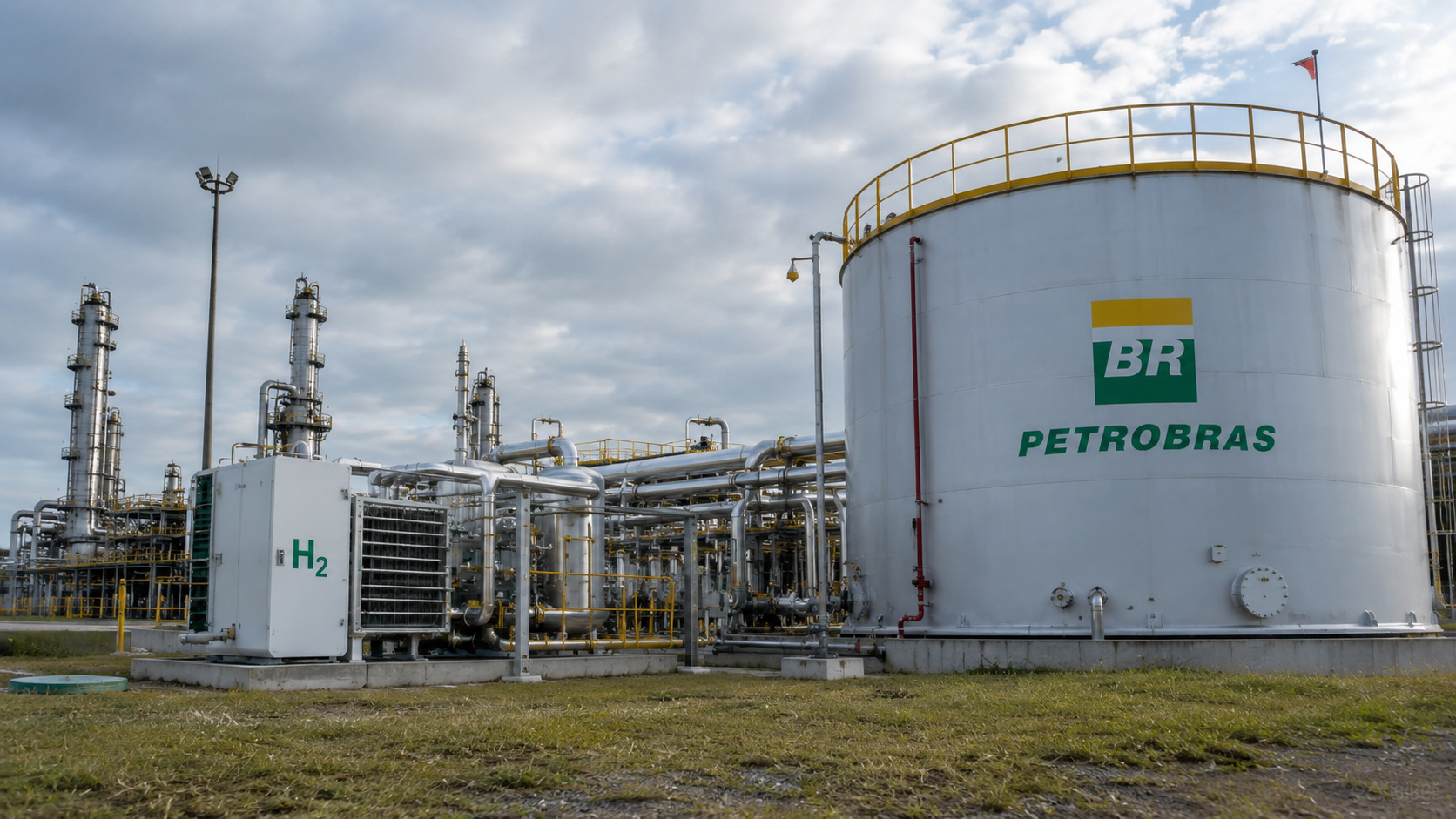
Brazilian scientists are simultaneously advancing two research projects on clean hydrogen and driving solutions that could transform the energy matrix, enhance industrial competitiveness, and accelerate large-scale emission reduction targets.

-
Advancement in renewable energy: A R$ 150 million project launched by Petrobras and Finep aims to create state-of-the-art electrolyzers for green hydrogen, strengthening national research and preparing Brazil to compete in a billion-dollar energy market.
-
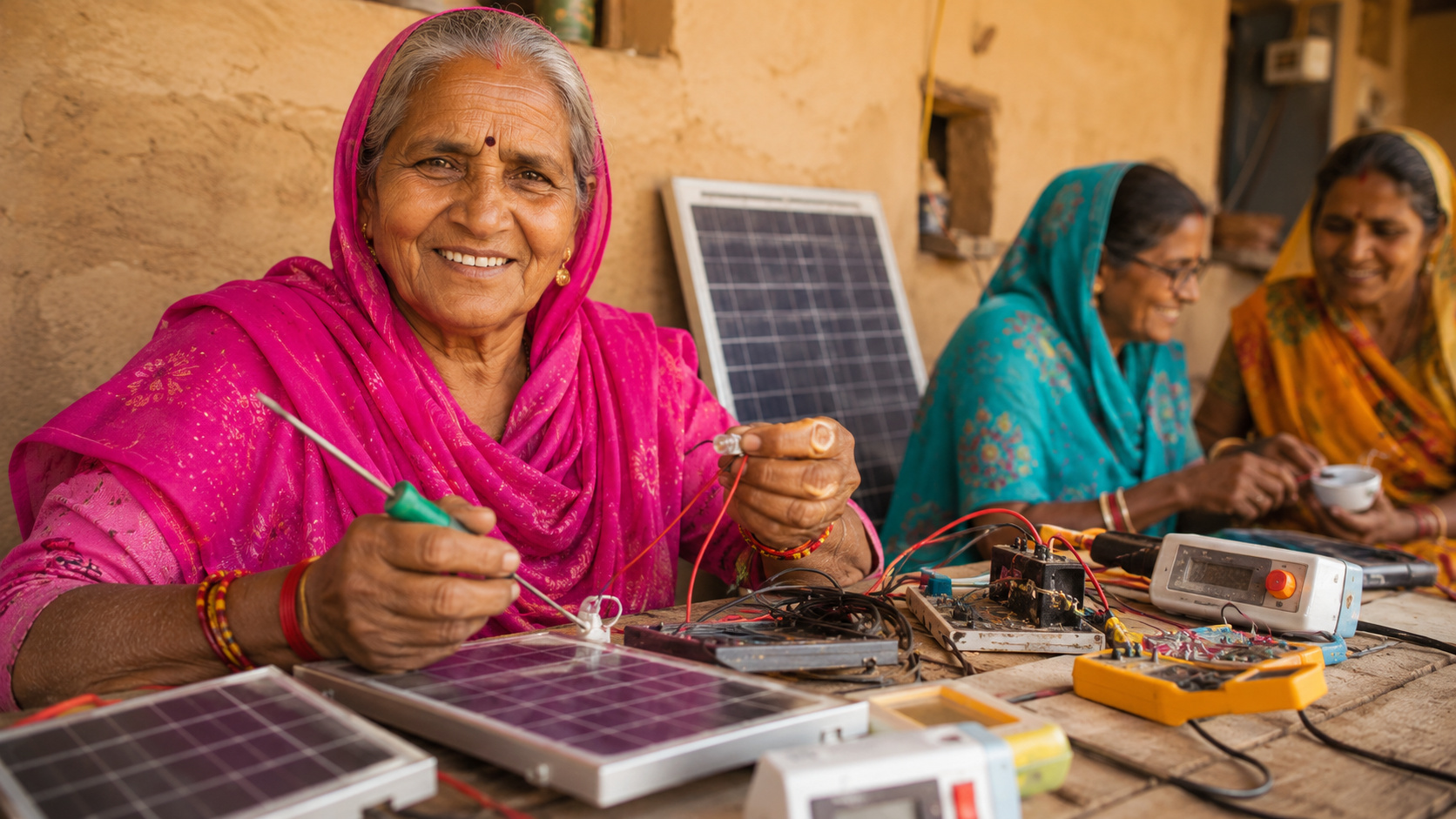
Illiterate or semi-literate grandmothers were trained to repair solar systems, open rural workshops, and light up homes that still depended on kerosene.
-
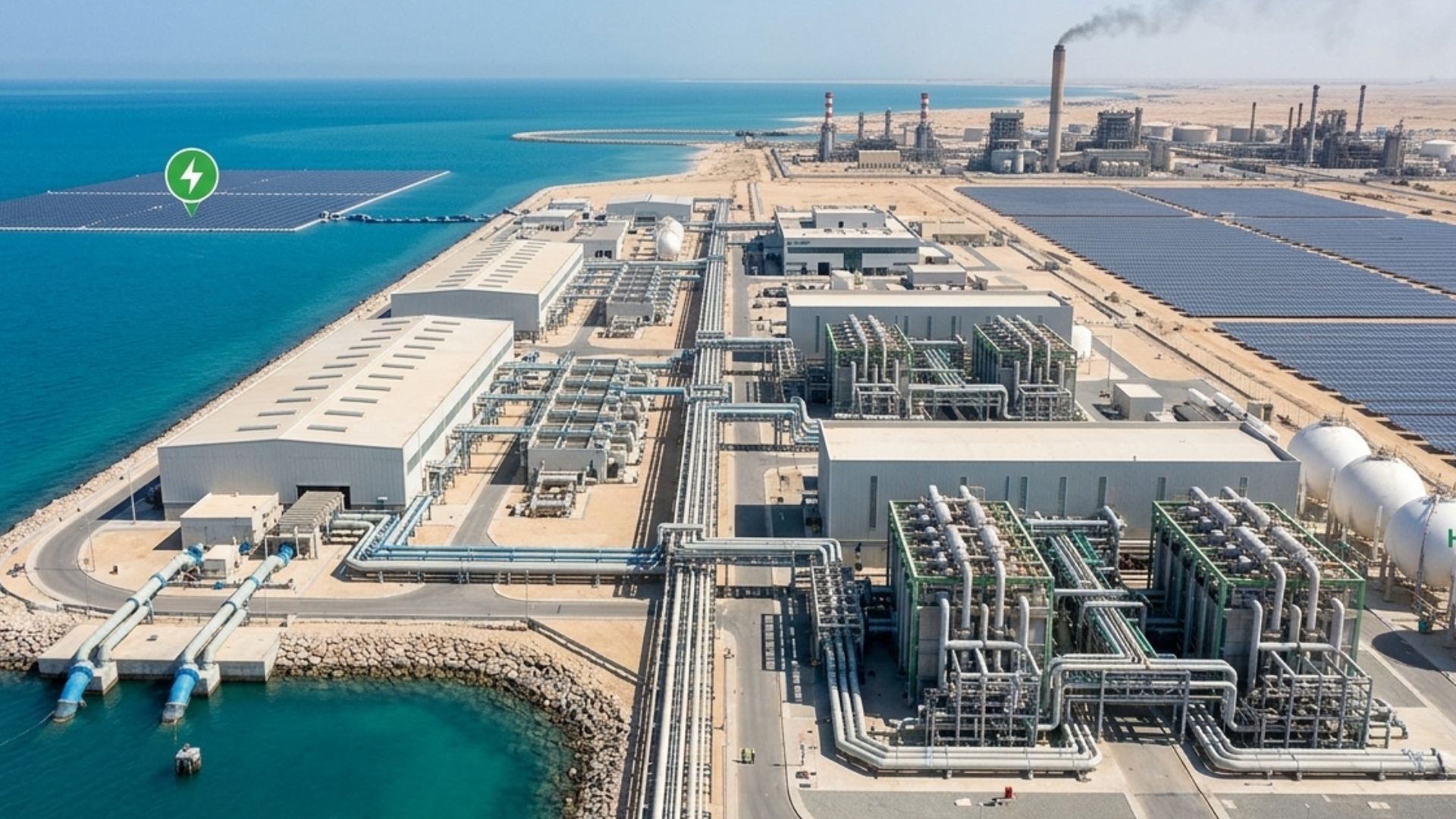
The world has bet on green hydrogen as the fuel of the future, but now faces the side effect: producing 1 kilogram requires about 9 liters of ultrapure water, and the largest projects on the planet are precisely in the driest regions of the Earth, where water is already scarce for people.


The project will be financed through the Energy Efficiency Program (PEE) of the National Electric Energy Agency (Aneel) and, when completed, could generate annual savings of over R$ 1 million to public coffers — a significant advance in energy efficiency and public resource management.
Direct Contribution to the UN Sustainable Development Goal 7
In addition to the economic benefits, the new solar plant is aligned with the United Nations Sustainable Development Goal (SDG) 7, which addresses access to affordable, reliable, sustainable, and modern energy for all.
The initiative also reinforces the Brazilian government’s commitment to public policies aimed at decarbonizing the economy.
Neoenergia Expands Sustainable Operations in Brasília
Neoenergia Brasília, responsible for executing the project, has been adopting sustainable actions since 2021 to reduce environmental impacts in public buildings in the federal capital.
Various strategic institutions — such as the Federal Police, the Aeronautics, the Brazilian Army, the University of Brasília (UnB), and the Federal Supreme Court (STF) — already have renewable energy generation systems installed by the company.
For 2025, new partnerships are planned, including the installation of solar panels at the National Justice Council (CNJ).
Neoenergia: 27 Years Investing in a More Sustainable Brazil
Present in Brazil since 1997, Neoenergia is part of the Spanish group Iberdrola and has established itself as one of the largest companies in the electricity sector in the country.
With a presence in 18 states and the Federal District, it operates in the generation, transmission, distribution, and commercialization of electric energy.
The company was a pioneer in investing in wind energy in the early 2000s and today invests in various clean sources, including solar, hydro, offshore wind, and green hydrogen.
Over nearly three decades, Neoenergia has contributed to making the Brazilian electricity sector more efficient and sustainable.
Source: Federal Government






Be the first to react!