Portuguese
  Spanish


The Brazilian Government Anticipated the Possible Worsening of the Crisis with the United States and Started the Process to Apply the Reciprocity Law, Creating Legal Basis to React to New Sanctions That May Come After Bolsonaro’s Trial.
The Planalto assesses, on the eve of former President Jair Bolsonaro’s trial, that the United States may increase pressure on Brazil in the event of a conviction.
To avoid legal gaps in the event of an escalation, the government initiated the proceedings to apply the Economic Reciprocity Law, paving the way for countermeasures proportional to the measures adopted by Washington.
The internal reading is straightforward: ensure a legal basis to react if the situation worsens, according to a report by CNN Brasil published this Monday (1st).
-
Plastic Packaging Drives Santa Catarina Industry to 230% Growth, Aiming for R$ 500 Million by 2030 Amid Sector Crisis, with New Gearless Line Expanding in Southern Brazil to Compete in South America

-
Flamengo Star Invests in Brazilian Coastal Luxury Real Estate as Itapema Surpasses Balneário Camboriú in High-End Market Growth
-
Brazil to Issue “Panda Bonds” in China, Aiming to Raise Up to 5 Billion Yuan at Lower Interest Rates Than Dollar Debt
-
NATO Faces Internal Tensions as U.S. Pushes for Increased Defense Spending, Targeting 5% of GDP by 2035, with Warnings for Countries Near 2% Level


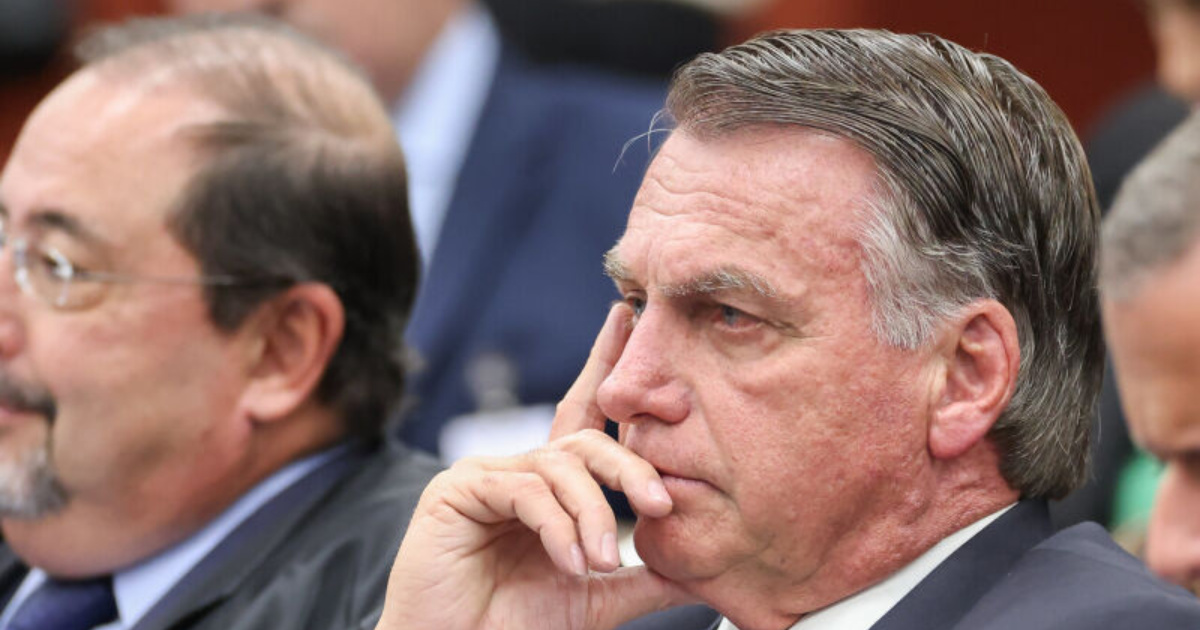
Trial at the STF and Focus on Possible Reactions
Bolsonaro and seven other defendants will be tried by the First Panel of the STF on Tuesday, September 2, starting at 9 AM, in a process that examines an attempted coup after the 2022 election.
The schedule and proceedings have been confirmed by the court and official bodies. The expectation within the government is that the outcome of the trial will influence the tone of U.S. policy towards Brazil in the short term.
Government Denies Direct Link, but Admits Need for Support
Executive members state that the opening of the process last Thursday (28) is not directly related to the trial.
At the same time, they acknowledge that the initiative creates legal backing for a potential political reaction if the U.S. tightens sanctions.
The Brazilian Embassy in Washington officially communicated on Friday (29) to the USTR the initiation of the proceedings, following the procedure outlined in the legislation.
What the Reciprocity Law Allows
Sanctioned in April 2025 as Law No. 15,122, the law authorizes the country to suspend trade concessions and impose retaliatory tariffs when another government adopts unilateral measures that harm Brazilian competitiveness or interfere in sovereign decisions.
In July, Decree No. 12,551/2025 regulated the instrument and created instances for analysis and deliberation, including the possibility of exceptional and provisional countermeasures in urgent scenarios.
Deadlines and Steps: How the Process Advances
With the provocation made to the Camex, the committee has 30 days to present a report on the adherence of the case to the criteria of the law, a deadline that can be extended.
In the ordinary procedure, the total processing time can take up to seven months (210 days), as it involves public consultations and technical analyses.
Despite this, the regulation provides for emergency exits for situations of escalation, as long as the proportionality of the measures is observed.
What the United States Have Done
Since July 9, the White House announced a 50% tariff on Brazilian products, effective from August 1, 2025.
In addition to the tariffs, there have been revocations of visas for Brazilian authorities — including ministers of the STF and the Attorney General — and, on July 30, the application of the Magnitsky Law against Minister Alexandre de Moraes, who became subject to the blocking of any assets under U.S. jurisdiction and prohibition of entry into the U.S.
The Department of State reported that Moraes’ visa and that of family members had already been revoked on July 18, as reported by CNN Brasil.
Diplomatic Priority and Room for Dialogue
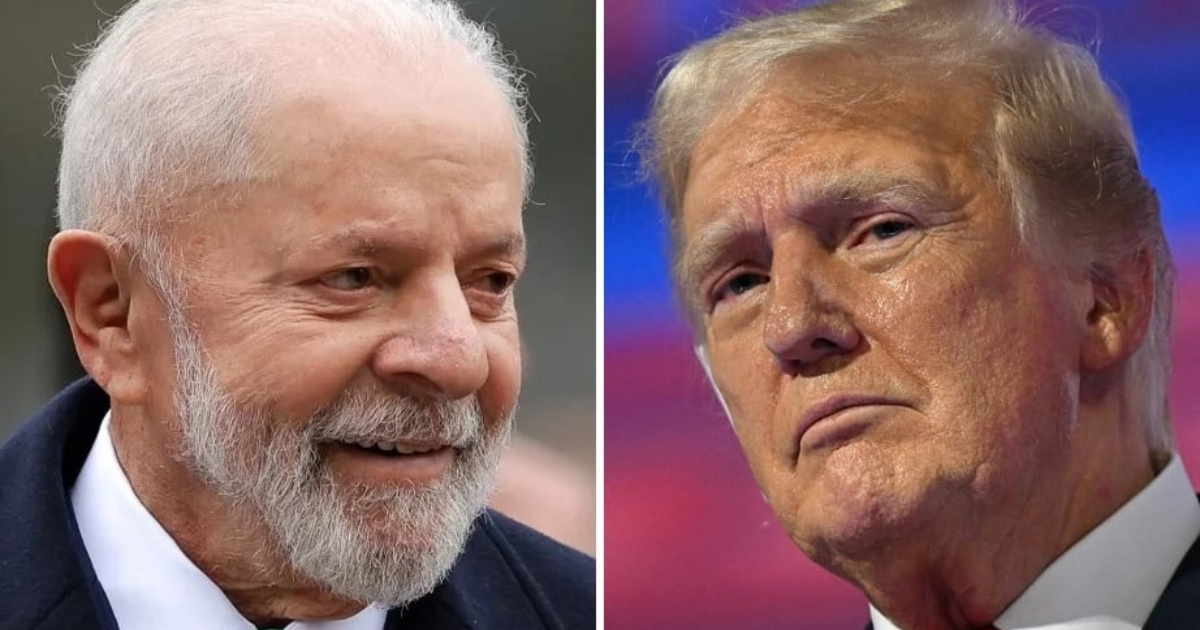
At the Planalto, the guidance is to keep the negotiation channel with Washington open, even without expectations of immediate changes in U.S. posture.
The government maintains that by activating the Reciprocity Law, it preserves its ability to negotiate with the U.S. and, at the same time, ensures a legal “cushion” if the scenario worsens after the trial.
Vice President Geraldo Alckmin has reiterated that the instrument also serves as a lever to accelerate commercial negotiations and reduce damage to Brazilian exporters.
What May Come Next
Behind the scenes, Bolsonaro’s allies assert that the U.S. government could increase sanctions if there is a conviction, with suggestions including the eventual extension of measures under the Magnitsky Law to individuals close to STF authorities.
So far, there is no additional official action published beyond the sanctions against Moraes and the visa restrictions already announced.
Meanwhile, economic sectors are pushing for predictability, while the government monitors the impacts of the tariff increase and evaluates baskets of calibrated countermeasures by sector if necessary.

Political Impact Until 2026
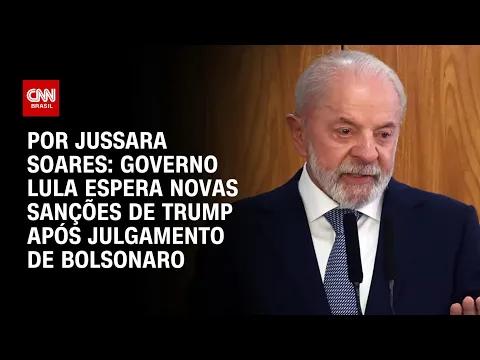
The prevailing perception within the government is that the tension with the U.S. is likely to persist at least until the electoral cycle of 2026, when the political environment may reshape incentives on both sides.
Meanwhile, Brazil seeks convergence with partners and activates multilateral instruments to contest unilateral measures.
The bet is that the progress of the trial and its international reception will be decisive for the pace of the crisis and for the necessity — or not — of activating extraordinary measures provided for in the law.
As highlighted by CNN Brasil, government members do not believe that the opening to dialogue will alter the U.S. willingness to maintain sanctions.
Given this scenario, will the strategy to create legal support before the STF verdict be enough to contain new U.S. advances, or will the country need to transform the legal backing into effective retaliation in the coming weeks?