






 Portuguese
  Spanish


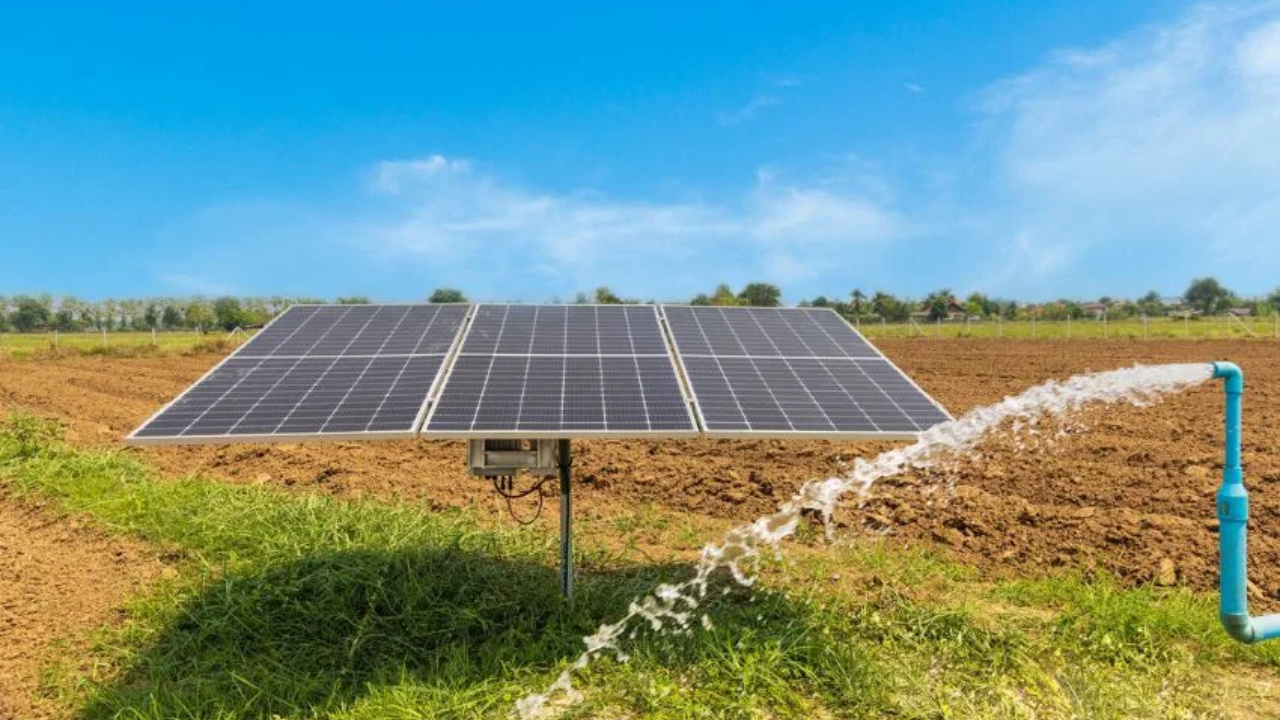
Ministry of Mines and Energy Opens Public Consultation to Update Discounts on Energy Tariffs for Irrigation and Aquaculture, Increasing Flexibility and Efficiency.
The use of energy in rural areas has returned to the center of regulatory debate in Brazil. The Ministry of Mines and Energy (MME) has opened a public consultation to review the rules for tariff discounts granted to producers engaged in irrigation and aquaculture. The initiative aims to align energy consumption with the new productive demands of the field and the technological transformations in the electric sector.
The consultation was published on December 26 and will remain open for 30 days. During this period, rural producers, cooperatives, distributors, and other sector agents will be able to submit contributions to the proposed Normative Ordinance that regulates the innovations of Law No. 15.235/2025.
New Law Increases Flexibility in Energy Use
The proposed regulation addresses recent changes in legislation that expanded the flexibility of tariff discount application times. Until now, the benefit was concentrated in more rigid consumption ranges. Now, the goal is to allow greater operational autonomy for producers without compromising the safety of the electric system.
-
USP researcher creates thesis to attract international funds for the country’s electric energy sector

-
Trafigura receives authorization from ANEEL to trade electricity in Brazil and expands its operations in the largest energy market in Latin America.
-
Mobile solar panels promised to share space with corn crops, but the 20% to 25% shade reduced production by an average of 7.7% and opened a new dispute between energy and food.
-
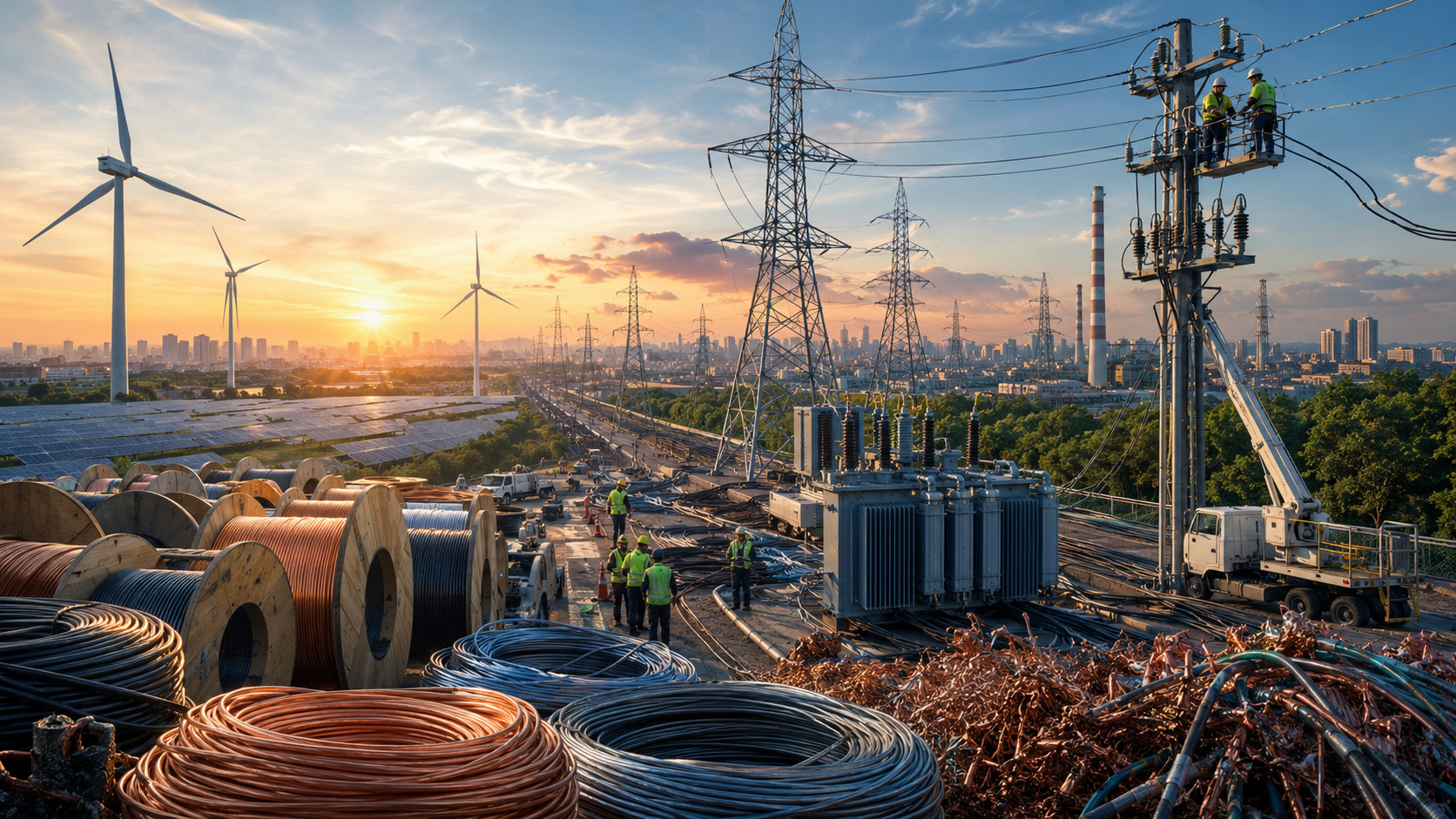
More than 80 million kilometers of wires need to be replaced by 2040: the energy transition doesn’t just depend on panels and electric cars, but on a colossal race for copper, aluminum, transformers, and recycling of old cables.


The daily discount remains 8 hours and 30 minutes. However, the producer may choose whether to use this period continuously or divided throughout the day. This way, energy consumption can better adapt to productive routines and the characteristics of each agricultural or aquaculture activity.
Producers Define the Best Consumption Time
Another significant advancement of the proposal is the priority given to the consumer in defining the times of benefit use. Irrigators and aquaculturists may indicate to distributors the schedule best suited to their operations.
The only restriction remains the peak hours of the electric system, between 6 PM and 10:59 PM, during which the discount cannot be applied. Outside this range, the use of subsidized energy can be adjusted according to productive needs, increasing efficiency and predictability.
According to Minister Alexandre Silveira, the proposal seeks to balance sectors. “We are reaffirming our commitment to conciliation between the safety and efficiency of the electric system and the strengthening of irrigated agriculture and aquaculture, activities that are strategic for the economic development and food security of the Country,” he stated.
Solar Energy Gains Prominence in the Field
The proposal also encourages better utilization of solar energy in the electric system. The text promotes consumption during peak generation periods, especially between 9 AM and 4 PM, when the availability of clean energy is more abundant.
This guideline contributes both to the stability of the system and to the reduction of costs for producers. By aligning irrigation and aquaculture with times of peak solar generation, public policy reinforces sustainable practices and expands economic gains in the field.
Public Consultation Increases Social Participation
The public consultation process opens space for contributions from different regions of the country. The MME’s intention is to capture local realities and specific needs of the rural sector, adjusting the regulation more accurately.
In addition, the initiative strengthens the dialogue between energy policy and agricultural production, sectors that are increasingly interdependent due to technological advancements and sustainability demands.
Partnerships Expand Strategic Use of Energy
The debate on energy in the field is not limited to irrigation. In November 2024, the MME and the Ministry of Fishing and Aquaculture signed a Technical Cooperation Agreement aimed at the sustainable development of aquaculture in hydropower reservoirs.
The agreement involves 74 reservoirs deemed suitable for the activity and seeks to integrate energy generation, use of federal water, job creation, income increase, and food security, while maintaining an environmental focus.
Federal Alliance Bets on Irrigated Poles
In April of this year, the Federal Government launched the Alliance for the Energy Development of Brazil’s Poles and Irrigation Projects. The initiative brings together MME, MIDR, and MAPA and targets regions with high productive potential.
These poles can enable up to three harvests per year, generate up to 1.2 jobs per irrigated hectare, and boost regional agro-industrial chains. To this end, energy is treated as a central element of the planning.
Energy Planning and Network Expansion
Among the proposals discussed with distributors is the flexibility of the subsidized supply provided for in the Energy Development Account (CDE). The goal is to improve synergy between consumption, network infrastructure, and generation availability.
The MME also plans to map future energy demand growth for irrigated poles. This data should guide the planning of concessionaires and the expansion of the Basic Network of the National Interconnected System (SIN).
Furthermore, the plan includes the evaluation of financing alternatives for three-phase distribution networks, focusing on public projects and irrigated poles, while preserving the tariff sustainability of the electric sector.





Be the first to react!