






 Portuguese
  Spanish


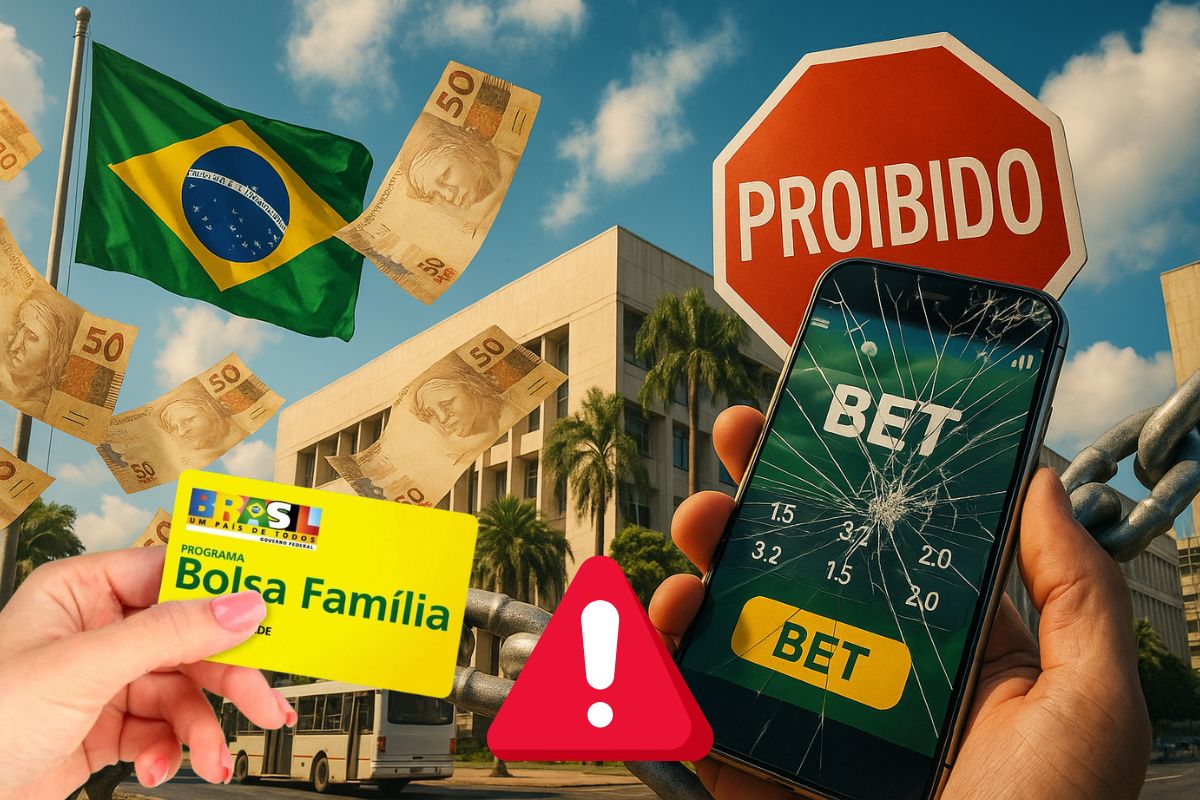

New Rule Requires Online Betting Companies to Identify Users Linked to Social Programs and Close Their Accounts Within Three Days.
The federal government published a regulatory instruction that prohibits beneficiaries of Bolsa Família and BPC from placing bets on “bet” sites and applications. The measure, announced in the Official Gazette of the Union, establishes that the platforms will have up to 45 days to consult the public database and close accounts linked to these social programs.
According to a report from g1, the determination complies with a decision from the Supreme Federal Court (STF) and aims to prevent resources allocated for social assistance from being used for gambling.
Operators will have to implement verification mechanisms at the time of registration and also during each user’s first daily login.
-
Brazilian Job Market Surprises: Unemployment Falls to 5.6%, Hits Record Low for May, Brazilian Incomes Rise, and Underemployment Reaches Lowest Level Ever Recorded by IBGE

-
Chinese E-commerce Giant Predicts Robots Will Replace 700,000 Delivery Workers as Autonomous Vehicles Expand to 200 Cities, Offering Training for Workers to Maintain Their Machines

-
Trump warns Europe with 100% tariff threat on digital tax, potentially impacting wine and trade agreements
-
As Homeownership Becomes Unattainable in Brazil, Japanese Municipalities Offer Abandoned Houses for as Low as $3,000 to Revitalize Aging, Emptying Cities


How the Account Blocking Will Work
According to the regulation, betting companies will have up to 30 days to adapt their systems and perform automated checks in the government’s centralized registry.
If it is identified that a user is a beneficiary of Bolsa Família or BPC, the account must be closed within three business days.
The Secretary of Prizes and Betting at the Ministry of Finance, Regis Dudena, explained to g1 that there will be no sharing of the complete list of beneficiaries, just an obligation for the platforms to consult the database at specific times.
The goal is to prevent deposits and financial transactions from people who rely on social assistance for their livelihood.
Scope of Social Programs
Currently, Bolsa Família assists about 19.2 million families, benefiting more than 50 million people throughout Brazil.
The minimum amount is R$ 600, with additional amounts for children, pregnant women, and school-aged youth.
Meanwhile, BPC has approximately 3.75 million beneficiaries, providing a monthly minimum wage to elderly individuals and people with disabilities in low-income situations.
The government’s decision reinforces that resources allocated to these programs must be used exclusively for basic needs, such as food, health, and housing, and not for financially risky activities like gambling.
How Much Brazilians Spend on Online Betting
Data from the Central Bank indicates that the flow of online betting moves between R$ 20 billion and R$ 30 billion per month in the country.
However, the Ministry of Finance estimates that the actual expenditure, after deducting prizes paid, is about R$ 2.9 billion per month, which amounts to R$ 36 billion a year.
According to the ministry, approximately 17.7 million Brazilians placed bets on platforms in the first half of 2025, with an average expenditure of R$ 164 per month per active bettor.
These figures represent about 12% of the adult population, a proportion similar to that observed in other countries.
The Impact of the Measure
For specialists, the regulation may reduce the financial vulnerability of families in social risk situations. Gambling addiction is considered a public health problem and can exacerbate issues of indebtedness and social exclusion.
By establishing account blocking, the government seeks to balance the expansion of the “bet” industry with the protection of beneficiaries of income transfer programs.
However, critics point out that the measure raises questions about privacy and personal data monitoring.
Furthermore, there are still doubts about the technical effectiveness of the blocking given the variety of platforms, many of which are based outside Brazil.
The government’s decision to prevent beneficiaries of Bolsa Família and BPC from betting on “bet” sites represents an attempt to protect assistive resources amidst the explosive growth of the online betting market.
The measure promises to block millions of accounts but also opens a debate on privacy and the effectiveness of control.
And you, do you agree with this prohibition? Do you think the government should intervene to protect social beneficiaries, or should every citizen have total freedom to use their money as they wish? Leave your opinion in the comments.


