





 Portuguese
  English
  Spanish
  2 min of reading
  1 comment


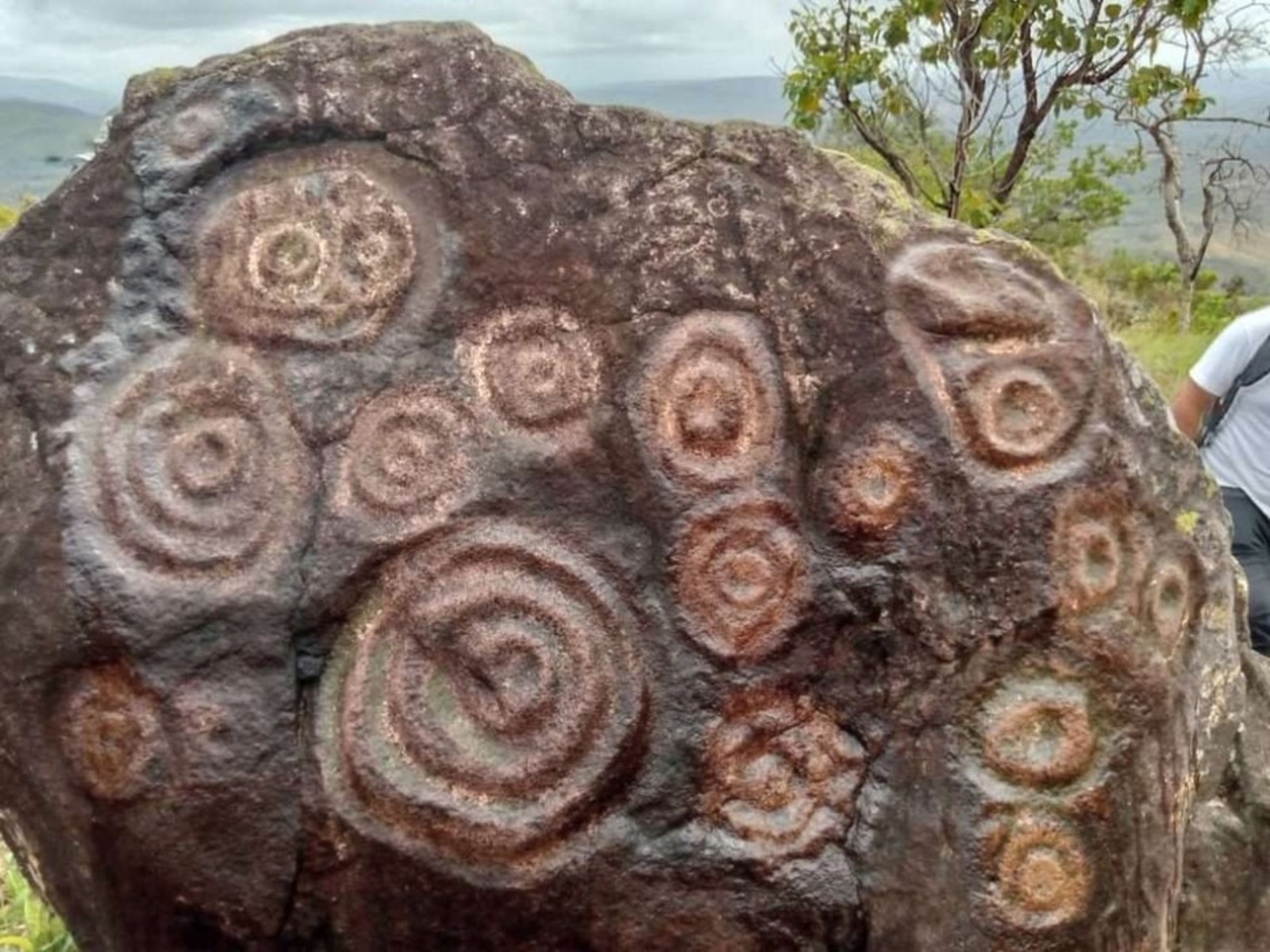


Prehistoric Engravings Found in Quebrada Seca, Venezuela, Reveal Symbols Related to the Sun, Water, and Indigenous Ancestors and May Be Between 4,000 and 8,000 Years Old
A complex of petroglyphs was identified at the end of January in the Quebrada Seca community, in Cedeño municipality, Venezuela. The archaeological discovery, linked to ancient indigenous peoples, underscores the regional significance of the petroglyphs and may represent one of the oldest symbolic expressions in eastern Venezuela.
Discovery in Quebrada Seca
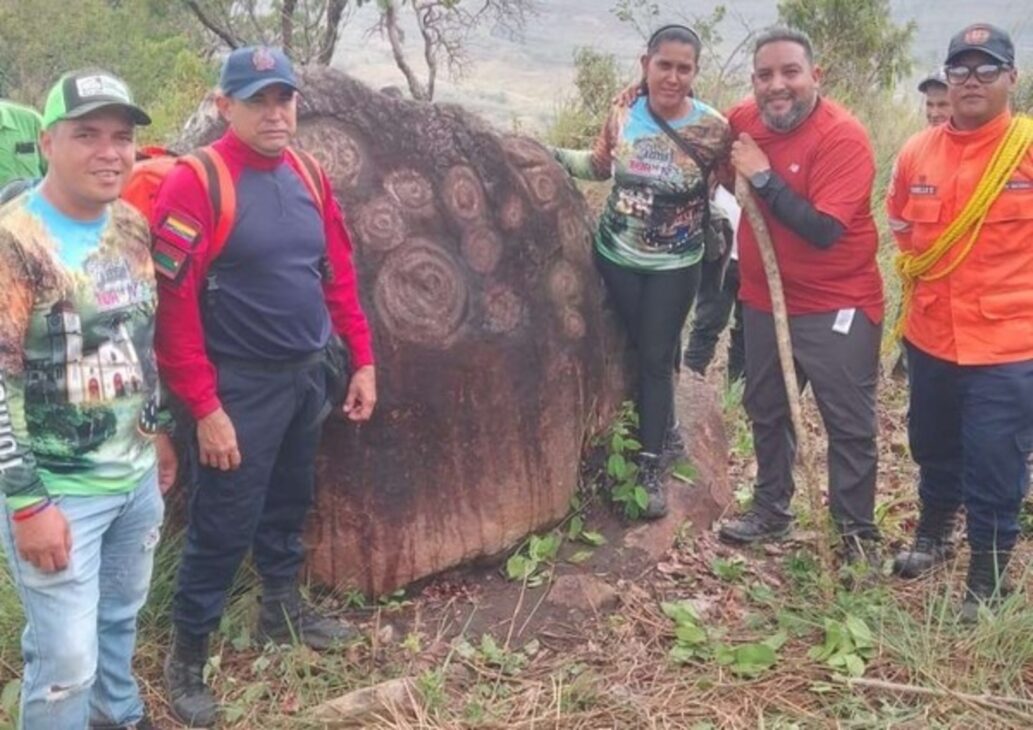
The find was announced on February 19 by Daniel Monteverde, the mayor of Cedeño. According to him, a large stone features engravings of spirals, concentric circles, and anthropomorphic figures associated with the worldview of indigenous peoples who inhabited the region.
The discovery was reported by the Venezuelan newspaper Últimas Notícias. The municipality of Cedeño is already regionally known as the capital of petroglyphs, mainly due to the cultural legacy left by the Chaima and Kariña peoples, historically referred to as “guardians of the mountains.”
-
Why are people parking hundreds of telescopes worth more than $10,000 in the middle of nowhere?

-
New Xiaomi device heats water in 3 seconds, automatically makes ice cubes, and also allows temperature adjustment via smartphone between 40°C and 90°C.

-
Carnivorous dinosaur in China left footprints at just 1 km/h and surprised researchers in the field with more than 5,000 tracks preserved for over 100 million years.
-
A 400-meter colossus powered by natural gas has just set sail from Shanghai to Europe, carrying over 24,000 containers. It is the world’s largest dual-fuel container ship and can cross the planet without refueling even once.



Age and Characteristics of the Engravings
The complex is located 647 meters above sea level. Researchers estimate the petroglyphs to be between 4,000 and 8,000 years old, which may place them among the oldest known symbolic representations in eastern Venezuela.
Technical analyses indicated that the engravings have an average depth of 1.24 centimeters and an approximate width of 1.71 centimeters.
Experts believe that the ancient artisans may have used abrasive stones combined with sand and water to create the incisions.
Meanings and Symbolism of the Petroglyphs
The symbols recorded on the rocks are associated with natural and spiritual elements. Among the identified themes are connections with the sun, water cycles, and representations related to the ancestors of the indigenous communities that occupied the territory.
These representations reinforce the cultural presence of the petroglyphs as a form of symbolic communication used by various native groups over thousands of years in the eastern Venezuelan region.
Archaeological Importance of the Region
The involved team states that the discovery strengthens the interpretation that Cedeño functioned as a strategic corridor for human circulation in eastern Venezuela.
According to the researchers, the area likely served as a passage for migratory groups during the Paleo-Indian and Meso-Indian periods, between 6,000 and 1,700 AD, connecting territories and ancient settlement routes.
With information from Revista Galileu.





Estive em lugar onde vi essas gravuras feitas em pedras , tirei fotos, fica em Santarém no para , são exatamente iguais