






 Portuguese
  Spanish


The Shutdown at American Ports Threatens Global Grain Supply, Increases Prices, and May Trigger a Food Crisis in Several Countries.
The strike by the International Longshoremen’s Association (ILA), scheduled to begin on January 15, promises to generate significant consequences for global trade. Therefore, the strategic ports of the United States, which play a crucial role in grain exports, may face critical delays. Moreover, essential products such as corn, wheat, and soybeans could be directly impacted, harming markets that rely on these exports to ensure their food security.
Why Does This Strike Pose a Risk to Global Supply?
Firstly, it is important to understand that the United States is a leader in global grain supply, accounting for about 60% of corn and soybean exports. On the other hand, any disruption in shipments of these products inevitably reduces global supply, which, as a result, drives up prices and amplifies food inflation. Additionally, highly dependent countries such as Egypt, Indonesia, and Japan face an even greater risk of food shortages, which may consequently lead to serious socioeconomic impacts.
What Are the Main Reasons for This Shutdown?
First and foremost, it is crucial to highlight that the shutdown arises from disputes over automation at the ports and wage demands. On one side, workers fear losing their jobs due to the advancement of semi-automated technologies. On the other side, unions continue to demand better wage conditions, even after a temporary 62% increase in 2024. Furthermore, the public support from elected President Donald Trump for the union has solidified the workers’ position, making negotiations more complex and challenging.
-
Not even the end of the ‘roller coaster’ described by the price of Brent crude oil (the main global benchmark) – which jumped from a price of $72 to $120, then dropped to $76 per barrel – due to the recent peace agreement between the US and Iran, was enough to relieve the Brazilian economy from inflationary pressures.

-
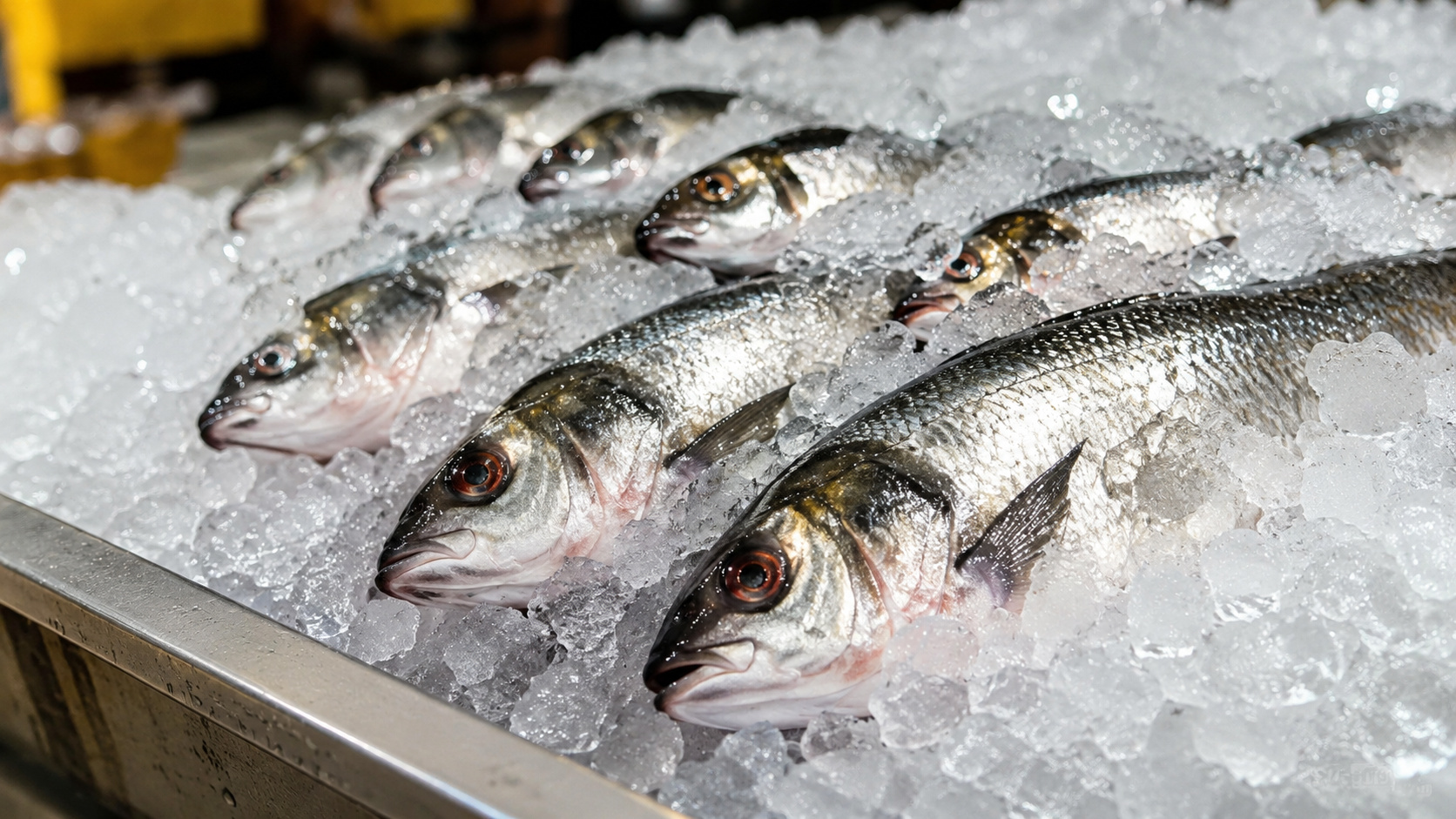
European Union looks again at Brazilian seafood after a nearly 8-year ban and may unlock a coveted market for lobster, tuna, tilapia, and shrimp.

-
Japanese retro sneakers become a sales phenomenon, help Asics achieve record profits, and gain their own operation to target Los Angeles, Milan, and Seoul.
-
Weg is the Brazilian company most exposed to Trump’s tariff hike. The multinational manufacturer of industrial motors and equipment, headquartered in Jaraguá do Sul (SC), is racing against time to reduce the impact of the new U.S. taxation.




What Would Be the Global Impacts of a Prolonged Strike?
If the strike extends, international export contracts will inevitably be affected, leading to cancellations and increased logistical costs. Additionally, countries that directly depend on American grains, such as those in Sub-Saharan Africa and Asia, would face severe difficulties in maintaining food supply. Therefore, although alternatives like Brazil and Argentina may help, their limited capacity makes it impossible to fully replace the role of the United States in the global market.
What Measures Are Being Taken to Resolve the Situation?
Negotiations between workers and employers, which are set to resume on January 7, represent an attempt to avoid the shutdown. However, the chances of an agreement before January 15 appear slim. On the other hand, the U.S. government may intervene again, as it did in 2024, to prevent a prolonged crisis. However, union resistance, fueled by political support from Trump, makes the outcome even more uncertain and concerning.
Finally, it is clear that the strike at American ports is not just a local issue but rather a global problem with direct impacts on grain trade. Additionally, it poses a threat to the food security of millions of people and to global economic stability. Swift resolution of the impasse is essential to prevent the crisis from prolonging, which would inevitably affect both emerging and more developed economies.




Be the first to react!