Portuguese
  Spanish


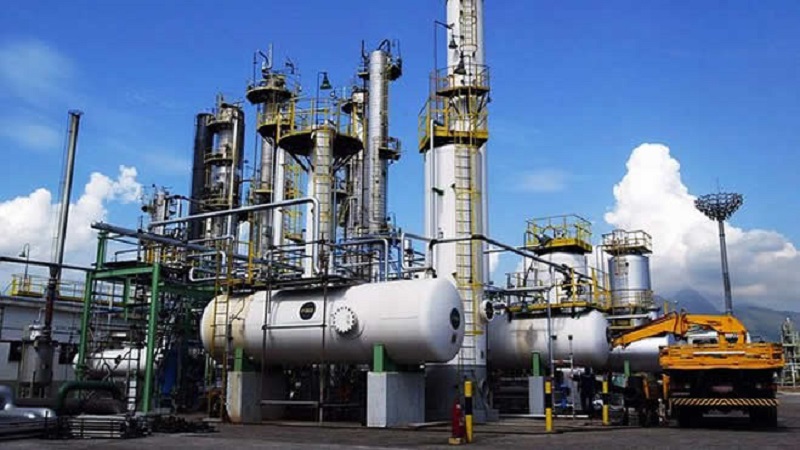

Pilot Project to Be Implemented in Sergipe Can Be Replicated in Other States and Will Focus on Ship Fuels
Sergipe remains the center of attention regarding investments, following the intention of some municipalities to implement a port complex in the state, and now it is the turn of the Brazilian group Noxis Energy to announce its intention to build a US$ 450 million refinery in the region.
The company’s intention, reported by the newspaper “O Estado de S. Paulo” on Friday (08/23), is to install mini bunker refineries (fuel used in ships) with reduced sulfur content for export, taking advantage of the demand for this type of fuel, as its use will be mandatory starting January next year.
-
Over 2,000 Tons of Discarded Fishing Nets Since 2020 Repurposed into Durable Caps, Fins, and Parts

-
Seals and Sea Lions Lose Habitat and Food as Climate Change Advances, Impacting Ice, Prey, and Coastal Communities

-
Brazilian Innovator Uses 3D-Printed Device to Cool Two Rooms with One Air Conditioner
-
China Uses 432 Robots to Move a 7,500-Ton Historic Building in Shanghai, Preserving Architecture While Creating Space for Underground Center


Noxis Energy stated that if the project to be implemented in Sergipe is successful, the company’s idea is to use the same refinery model in the states of Maranhão, Espírito Santo, and Amapá.
Noxis reported that its plants are being designed with cutting-edge technology in coastal areas to receive raw material and carry out the shipment of products intended for domestic and international markets.
According to the planning that Noxis initially prepared, the intention is for the refinery to have the capacity to process 25,000 barrels per day of imported oil, with production divided into: bunker (50%) diesel (40%) gasoline (10%).
The company’s planning is based on surveys indicating the growth of Brazilian demand for diesel and gasoline, by 2% until 2032, which will generate deficits of these fuels in the country of 225,000 b/d and 251,000 b/d, respectively.
Petrobras announced that it will begin a process to publicly offer the complete sale of eight refineries and associated logistics.
The Raízen is indicated as the main interested party in purchasing Petrobras’s refineries. The company is a joint venture between the Cosan and Shell groups.
Currently, Raízen is the second largest fuel distributor in Brazil, trailing only behind BR Distribuidora, owned by Petrobras. In Brazil, the company does not yet operate in the refining sector.