Portuguese
  Spanish




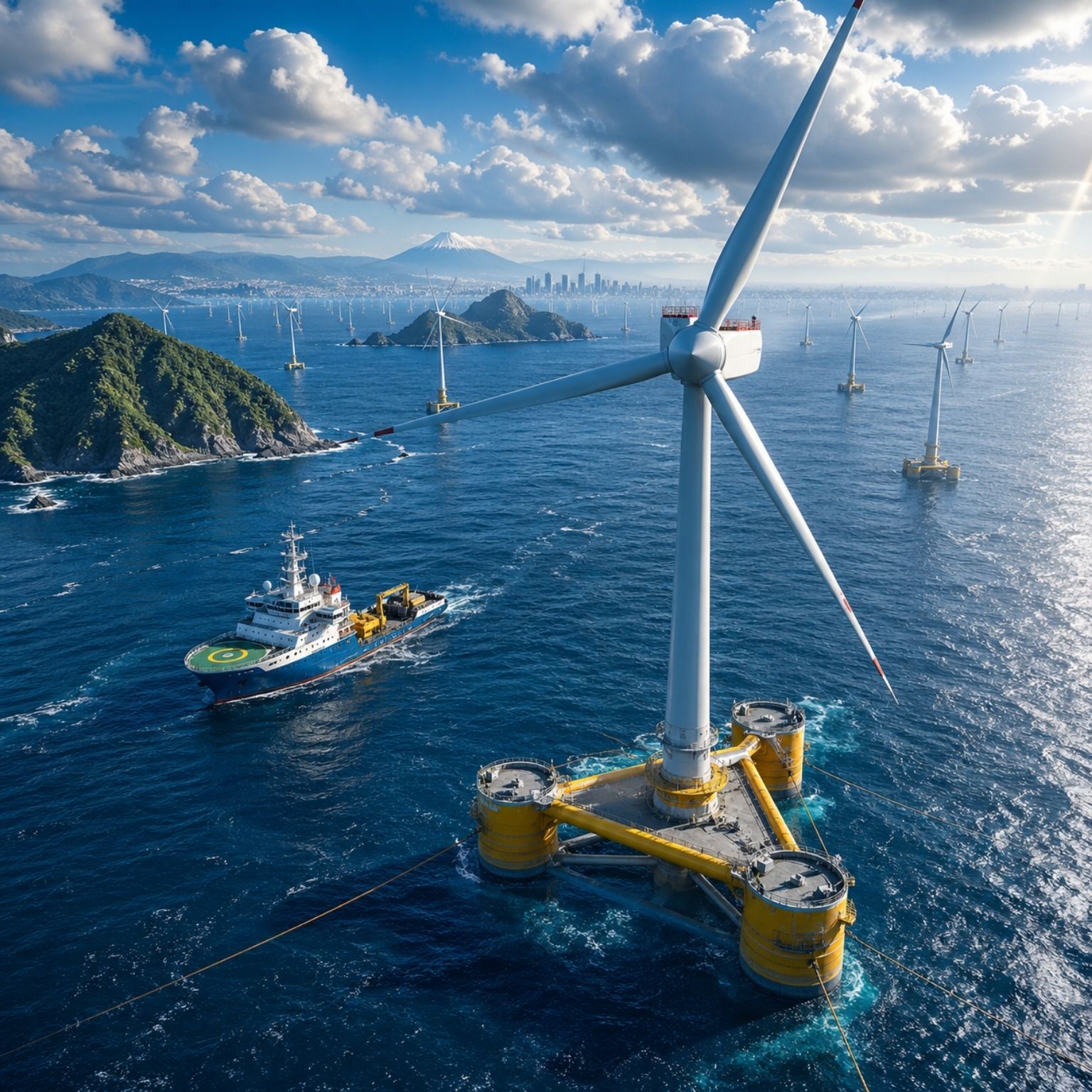
Working aboard a platform in the Campos Basin is one of the most coveted career goals in the energy sector in Brazil. The promise of attractive salaries and long periods of time off attracts thousands, but the reality involves a unique routine of high technical and psychological demands.
In this comprehensive guide, we will demystify offshore work, present paths to secure your position, and analyze the best cities in the region for living, balancing the intensity of work with the necessary quality of life.
Part 1: What Is Life And Working Aboard
To understand the offshore career, one must first comprehend its fundamental routine.
Professional life at sea is governed by schedules. The most common are 14×14 or 21×21, which means, for example, 14 continuous days of work onboard, followed by 14 total days off on land.
-
A 24,200-ton oil platform is removed from the North Sea in just 10 seconds and taken to be scrapped on land, in an operation where more than 97% of the Brent Delta structure was reused or recycled.

-
Ocyan takes AI and data to the FPSO Brazil Congress 2026 to showcase how digital technologies can enhance safety, integrity, and performance in next-generation FPSOs.

-
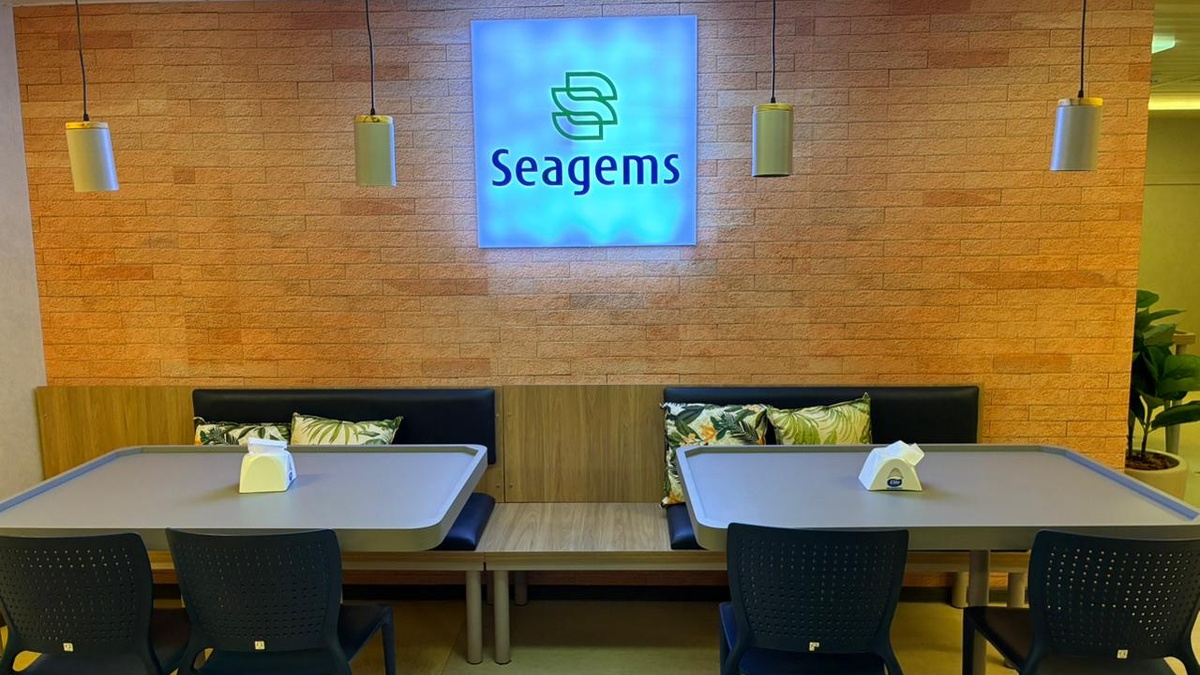
Sodexo debuts unique maritime hospitality on Seagems ship to transform the well-being, food, and comfort of offshore professionals.

-
European ship will transport captured CO₂ to be stored under the North Sea as the Greensand project prepares the first industrial offshore storage in the European Union to operate in 2026 with an initial target of 400,000 tons per year in Denmark.



During the onboard period, the workday is intense, usually lasting 12 hours daily. A typical day begins early with the DDS (Daily Safety Dialogue), followed by focused work on platform operations. The onboard structure is like a true city at sea, with a cafeteria, gym, leisure rooms, and cabins, which are usually shared.
The pros:
Attractive remuneration: salaries above the market average, complemented by hazard and boarding bonuses, in addition to a robust PLR (Profit and Results Sharing) in most companies.
Long periods of time off: having two or three continuous weeks of rest allows for complete dedication to family, hobbies, travel, or personal projects.
Accelerated development: the need to solve complex problems in an isolated, high-tech environment drastically accelerates the learning curve and skills development.
The cons and challenges:
Homesickness and isolation: the distance from family and friends is the greatest challenge. Missing holidays and social events is part of the routine.
Psychological and physical pressure: confinement, a high-pressure environment, and physically demanding work require great resilience and excellent mental conditioning.
Strict safety culture: although a positive point, the necessity to rigidly follow safety protocols demands constant attention and discipline.
Part 2: How To Secure Your Position
Entering the offshore sector requires preparation and a well-defined strategy.
Essential Training and Qualifications
High-demand technical courses: the areas with the greatest demand are Mechanical, Electrical, Instrumentation, Automation, and Occupational Safety Technicians.
Higher education: degrees in Engineering (Oil, Mechanical, Chemical, Production, Electrical) and Geology are gateways to specialist and management positions.
Mandatory certifications: this is your passport to embark. No company can hire a professional to work offshore without the CBSP (Basic Platform Safety Course) and the HUET (Helicopter Underwater Escape Training). Having these certifications up to date is a huge competitive advantage.
Where To Find Openings
Operator websites: keep an eye on the “Careers” sections of giants like Petrobras, Shell, TotalEnergies, Equinor, Prio, 3R Petroleum, etc.
Large service companies: most vacancies are found in companies that provide services for operators. Constantly monitor portals from SLB (formerly Schlumberger), Baker Hughes, Halliburton, Subsea 7, Saipem, Ocyan, among others.
Portals and networking: LinkedIn is the main tool. Follow companies, connect with recruiters, and participate in industry groups. Portals like Vagas.com.br and Catho are also important.
Tips For The Resume And The Interview
Highlight certifications: place CBSP and HUET prominently on your resume.
Focus On Safety: use keywords related to operational safety (HSE/SMS).
Demonstrate the right profile: in the interview, be prepared to answer how you handle confinement, teamwork under pressure, and emergency situations. Proactivity, discipline, and resilience are the most valued traits.
The Advantage Of Seasonal Rentals In Cabo Frio
For those who work onboard, having a comfortable and functional base on land is crucial. While some opt to buy property, many experienced professionals see advantages in flexibility. In this scenario, looking for a house to rent for season in Cabo Frio becomes a smart strategy.
This option allows for a complete and furnished home during off periods, without the bureaucracy and long-term financial commitment of a traditional lease or purchase. It is the perfect solution for those in the adaptation phase to the region or simply value the freedom of not creating fixed real estate ties.
Part 3: Life On Land – Where To Live?
The decision of where to settle is one of the most strategic for the family of the offshore professional.
The choice of base city impacts everything: the travel time to the helipad (usually in Macaé), the cost of living, and, most importantly, the quality of your precious rest time.
Analysis Of The Main Cities:
Macaé – The Oil Capital
Pros: Maximum proximity to operational bases and helipads. Facilitated networking and all services focused on the O&G industry.
Cons: Higher cost of living in the region, heavy traffic, and an atmosphere that rarely allows one to “disconnect” from work.
Rio das Ostras – The Strategic Middle Ground
Pros: Closer to Macaé than Cabo Frio, offers a more affordable cost of living and a growing infrastructure for families, with good beaches.
Cons: Urban infrastructure still struggles to keep up with rapid population growth, and the city can become overcrowded during high season.
Cabo Frio – The Refuge With Quality Of Life
Pros: By far, the best infrastructure in the Lakes Region. Offers excellent schools, hospitals, a diverse commerce, and leisure and dining options that go far beyond tourism. The paradisiacal beaches allow for complete disconnection from the work environment. It is the preferred choice for families seeking quality of life.
Cons: The distance to Macaé (about 80 km) requires planning for boarding and disembarking days.
Comparative Table
| Characteristic | Macaé | Rio das Ostras | Cabo Frio |
| Proximity To Work | Excellent | Good | Fair |
| Cost Of Living | High | Medium | Medium-High |
| Quality Of Life/Leisure | Fair | Good | Excellent |
| Family Infrastructure | Good | In Development | Excellent |
| Ideal For | Professional who prioritizes zero travel time. | Those seeking a balance between cost and proximity. | Those who prioritize family quality of life. |
The offshore career is, at its core, a lifestyle choice that transcends the work environment. It requires planning, resilience, and a solid base on land to ensure that time off is as rewarding as the work is challenging.
Carefully analyzing the routine, investing in the right qualifications, and choosing a city that meets your personal and family needs are the pillars for building a long, prosperous, and, above all, balanced journey in the oil and gas industry.