





 Portuguese
  English
  Spanish
  4 min of reading
  0 comments


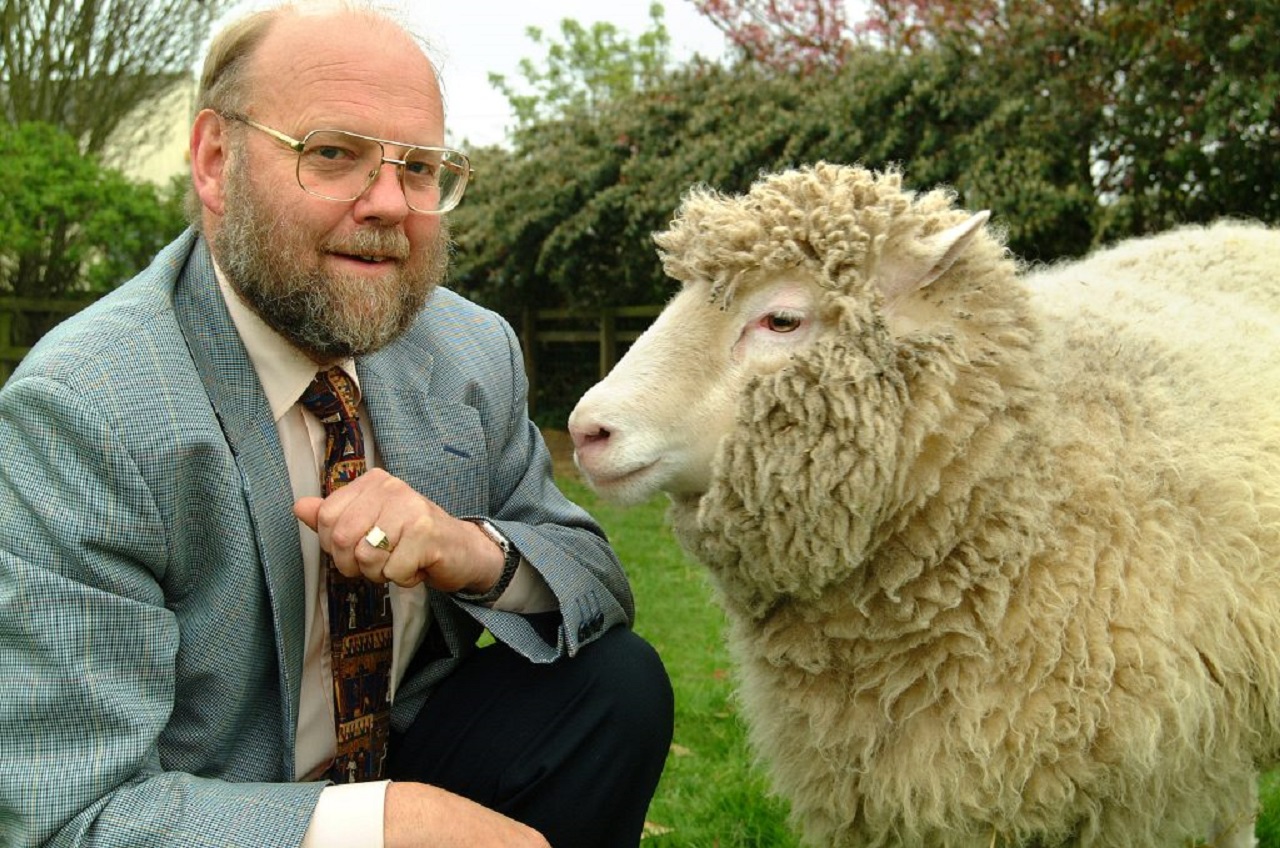
In 1997, the birth of the sheep Dolly marked the history of science by proving that it was possible to clone a mammal from an adult cell, redefining the limits of biology and generating global debates.
On February 22, 1997, the world learned of a scientific achievement that redefined the limits of biology: the birth of Dolly, the first mammal cloned from an adult somatic cell. The announcement was made by the Roslin Institute in Scotland, and quickly sparked scientific, ethical, and political debates on a global scale. Although Dolly was born months earlier, on July 5, 1996, researchers waited for the consolidation of the results and the scientific publication before disclosing the experiment.
The study was published in the journal Nature and demonstrated something previously considered unlikely: that a specialized adult cell could be “reprogrammed” to generate a complete new organism.
How Dolly Was Created: The Cloning Process
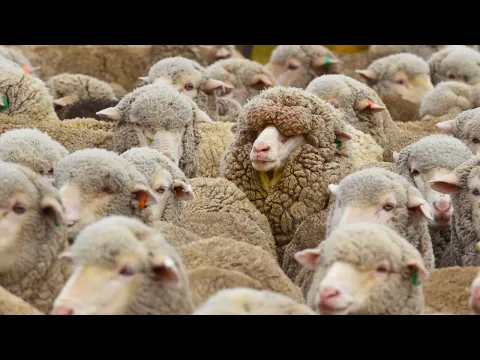

Dolly was produced using a technique called Somatic Cell Nuclear Transfer (SCNT).
-
Authorities in South Carolina have transformed an abandoned torpedo ship that was leaking oil into a protected area: after 4 years stuck in a swamp, the hull was cleaned, taken 32 miles from Charleston, and sunk to become an artificial reef in an operation that swaps an environmental threat for a permanent marine habitat.

-
In a billion-dollar agreement of nearly R$ 50 billion, Dell takes over the supply of Microsoft software for the Pentagon and accelerates one of the largest military digital transformation initiatives of the decade with a direct impact on security and technology.
-
The ship Norse Wind entered into operation with a 3,200-ton crane capable of installing at sea wind turbines with blades larger than a football field.

-
Norway prepares an unprecedented underwater plant that uses ocean pressure at a depth of 500 meters to transform seawater into drinking water with up to 50% less energy.



The process involved three main steps:
- Collection of an adult cell
The team used a cell from the mammary gland of an adult Finn Dorset sheep. It was precisely due to this origin that the animal was named “Dolly,” in reference to the singer Dolly Parton. - Removal of the nucleus from an egg cell
An egg from another sheep had its nucleus removed, eliminating the original genetic material. - Insertion of the adult cell nucleus into the empty egg cell
The nucleus of the mammary cell was inserted into the enucleated egg. After electrical stimulation, the embryo began to develop.
The embryo was then implanted into the uterus of a third sheep, which acted as a surrogate mother.
After several attempts — the experiment involved over 270 embryos — only one resulted in a viable birth: Dolly.
Why Dolly Was Considered Revolutionary
Before Dolly, there were already cases of cloning animal embryos, but always using embryonic cells, which had not yet differentiated. The difference with Dolly was proving that:
- An adult differentiated cell retains all the genetic material necessary to generate a complete new organism.
- The process of cellular differentiation can be reversed under specific conditions.
This contradicted the prevailing idea that specialized cells lost the ability to generate all the tissues of the body.
The experiment paved the way for subsequent advances in cellular reprogramming, including research involving stem cells.
Global Reactions and Ethical Debates
The announcement of Dolly’s cloning provoked immediate reactions:
- Governments initiated discussions on cloning regulation.
- Religious institutions expressed concern.
- The scientific community debated risks and future applications.
The main fear was the possibility of human cloning, something that quickly became the target of prohibitions and restrictions in various countries.
Human reproductive cloning became widely prohibited in national legislation and international treaties.
The Life of Dolly
Dolly lived at the Roslin Institute, where she was monitored by researchers throughout her life. She had natural offspring, demonstrating that she was fertile and biologically functional.
In 2003, at the age of six, Dolly was euthanized after developing progressive lung disease and arthritis.
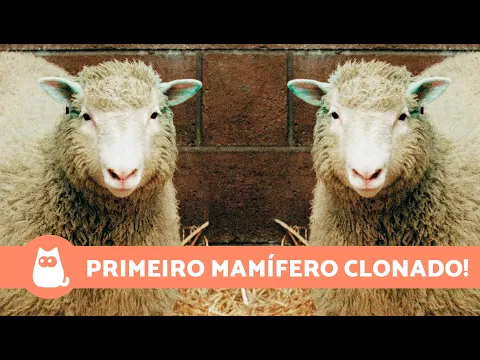
The average lifespan of sheep of the same breed ranges from 10 to 12 years, which raised questions about possible accelerated aging in clones. However, subsequent studies indicated that Dolly’s condition was not necessarily a direct consequence of the cloning process.
Her remains were preserved and are now on display at the National Museum of Scotland in Edinburgh.
The Scientific Legacy of Dolly
The impact of Dolly’s cloning went beyond animal reproduction. Among the main scientific developments are:
Advances in Stem Cells
The proof that adult cells can be reprogrammed helped inspire research that culminated, years later, in the development of induced pluripotent stem cells (iPSCs), a technique that allows adult cells to be transformed into cells with embryonic-like characteristics.
Therapeutic Cloning
The nuclear transfer technique began to be studied to generate genetically compatible tissues for patients, with potential applications in regenerative medicine.
Commercial Animal Cloning
After Dolly, other mammals were cloned:
- Cows
- Pigs
- Horses
- Dogs
- Cats
Today, some countries allow the commercial cloning of animals with high genetic value.
Limitations and Challenges of Cloning
Despite the initial success, cloning presents limitations:
- Low success rate
- High costs
- Possible embryonic anomalies
- Ethical and legal issues
The efficiency of the process remains relatively low, with a high number of non-viable embryos.
Cloning and Modern Genetics
Dolly marked an important transition between classical genetics and advanced biotechnology. Her birth demonstrated that:
- Genetic identity can be copied accurately.
- The cell nucleus contains all the instructions necessary to form an organism.
This knowledge was fundamental for the consolidation of modern genetic engineering.
What Has Changed Since 1997
Since Dolly’s introduction to the world:
- Genetic editing has evolved with tools like CRISPR.
- Animal biotechnology has advanced for agricultural and biomedical applications.
- The ethical debate has expanded to topics such as genetic manipulation and bioengineering.
Nevertheless, human cloning remains prohibited in most parts of the world.
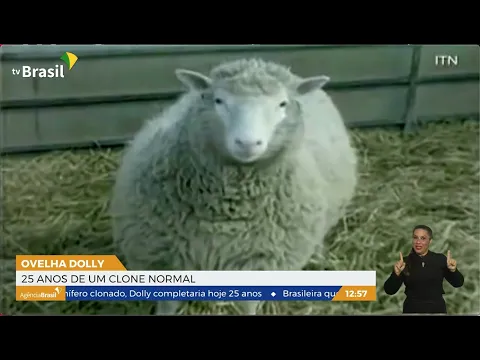
29 years ago, the introduction of the sheep Dolly marked a watershed moment in science. The experiment conducted at the Roslin Institute demonstrated that adult cells can be reprogrammed to generate a complete new organism, altering paradigms of modern biology.
The legacy of Dolly remains alive not only in the history of science but in technologies that continue to shape regenerative medicine, genetics, and the ethical debate about the limits of human intervention in life.






-

-

-

-

-

-

66 people reacted to this.