






 Portuguese
  Spanish


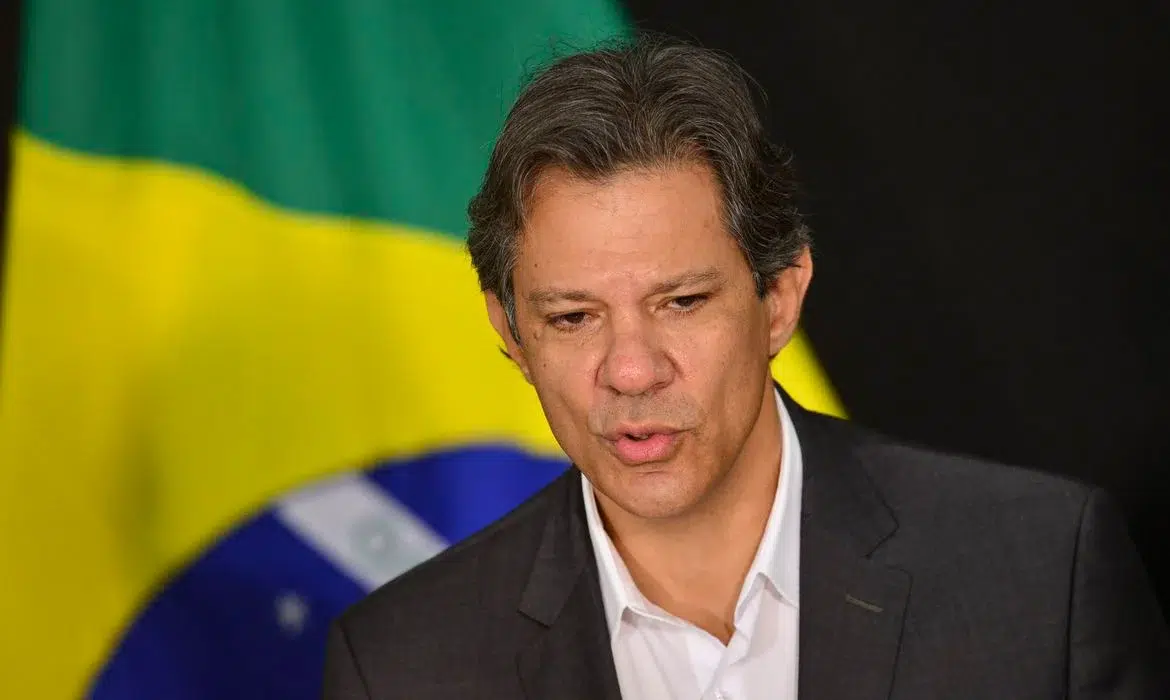


Registrations of programs like Bolsa Família will undergo rigorous analysis in the largest overhaul ever conducted.
Fernando Haddad, Minister of Finance of the Lula Government, announced on Thursday (11/28) a package of measures to review social programs, such as Bolsa Família, aiming to combat fraud and ensure that benefits reach those who truly have the right.
According to information from the minister, the review, which includes the anticipation of re-registrations and the expansion of biometric usage, will correct incompatibilities identified in recent months.
The actions will be applied to all social programs. “Everyone will have to undergo biometrics. All programs. And the deadlines for re-registration will be shortened by law so that this monitoring becomes routine in light of what was found from July onward“, said Haddad.
-
At 14 years old, she worked in a factory in Hong Kong, studied economics abroad, and then entered the Chinese real estate market, which helped change the landscape of Beijing.

-
While NATO secured more than $10 billion in missiles and space surveillance at a single forum, Brazil still spends 1.1% of its GDP on defense and is stalling its own anti-aircraft system.

-
Corn ethanol attracts R$ 23 billion in 21 new plants and prepares for a nearly 50% jump in Brazilian production by 2027, even with high interest rates.
-
A newly opened terminal in the middle of the Amazon has begun transporting soy and corn through Amapá, eyeing the queue of ships that is congesting the ports in the South.


The initiative, part of a package to review public spending, is expected to generate savings of R$ 71.9 billion for public coffers over the next two years.
Continuous Care Benefit (BPC) in Focus
The Continuous Care Benefit (BPC), which serves low-income elderly individuals and people with disabilities, will be one of the main targets of the review. The program has exceeded its budget by R$ 7 billion and will undergo adjustments to increase transparency and prevent irregularities. Among the proposed new rules are:
- Focusing on individuals unable to live independently and work;
- Inclusion of income from non-cohabitating spouses and siblings as access criteria;
- Mandatory updates for registrations that have been outdated for more than 24 months;
- Mandatory biometrics for new benefits and registration updates.
Despite the changes, Haddad assured that the concept of the benefit will be maintained, aiming to ensure greater clarity in eligibility conditions.
Reinforcement of Bolsa Família
Bolsa Família will also have stricter rules to ensure that the program exclusively serves the most vulnerable families. Among the measures are:
- Restrictions for municipalities with a high concentration of single-person families;
- Mandatory in-person registration and updates for single-person families;
- Biometrics for registration and registration updates;
- Data sharing from public service providers to cross-reference information.
The economic team emphasized that these changes aim to protect the “more robust version of the program”, relaunched in 2023.
Financial Impact and Adjustment in the Salary Allowance
The scrutiny on social benefits, initiated in August, has already been included in the 2025 budget and is expected to generate savings of R$ 25.9 billion in mandatory expenses. Furthermore, the government proposed to set the income limit for access to the salary allowance at R$ 2,640, adjusted by the National Consumer Price Index (INPC), until it reaches the equivalent of 1.5 minimum wage.
The measures, according to Haddad, focus on optimizing resources and ensuring greater efficiency in the management of social programs, while maintaining assistance to the families that need it most.








