Portuguese
  Spanish


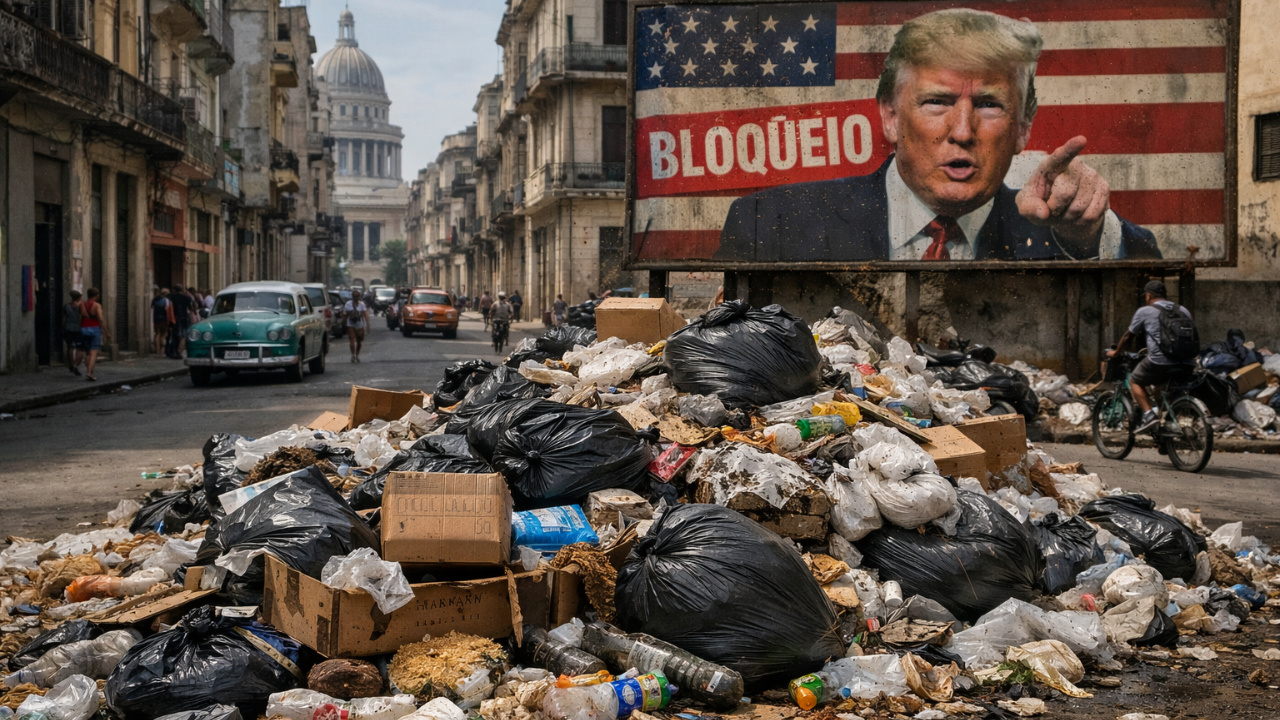

Cuba Faces Waste Piling Up in Havana After US Blockade Hinders Oil Arrival. Fuel Shortage Affects Services and Raises Humanitarian Crisis Alert.
The crisis in Cuba has taken a new and shocking turn. In Havana, waste has begun to dominate street corners, sidewalks, and avenues.
The strong smell of spoiled food spreads throughout the capital. At the same time, flies and other insects multiply.
This scenario is one of the most visible effects of the blockade that hinders oil arrival to the Caribbean island.
-
European Parliament Approves Digital Euro, Aiming to Challenge Visa and Mastercard’s Dominance and Transform Payments Across Europe by 2029

-
Israel finds Hezbollah militarized tunnel over 200 meters long under village, with 4 missile launch shafts, 12 chambers, anti-tank missiles, drones, and weapons depots at a depth of 25 meters.

-
Ukraine launches largest drone attack on Moscow since 2022, Russia claims to have intercepted nearly 200 aircraft near the capital, Kapotnya refinery targeted again, and offensive reignites alert about war reaching the Russian energy heart just a few kilometers from the Kremlin.

-
Truck drivers, freight, and fines from 2022 take center stage in politics: Chamber approves MP with amnesty, mandatory tracking by CIOT, million-dollar penalties, and new minimum wage for those who spend more than 24 hours on the road.


Furthermore, the lack of fuel has directly affected basic services. Waste collection was one of the first to collapse.
With fewer trucks on the road, tons of waste have piled up for days as the population tries to cope with the consequences.
Stopped Trucks Reveal the Impact of the Blockade in Cuba
According to the state portal Cubadebate, only 44 out of 106 waste trucks in Havana continue to operate.
The reason is simple. There is a fuel shortage. As a result, collection has become slow and irregular.
Meanwhile, cardboard boxes, used bags, plastic bottles, and even rags are piling up in the streets of the seaside capital. Residents navigate around the piles.
Cyclists and drivers must avoid the mounds of waste. In addition, some inhabitants sift through the trash looking for scraps that can be reused.
The situation has therefore become part of daily urban life in Cuba, something that until recently seemed unthinkable to many residents.
The population is beginning to lose patience. Local resident José Ramon Cruz described the scene bluntly: “It’s everywhere in the city,” said local resident José Ramon Cruz. “It’s been more than 10 days since a garbage truck came by here.”
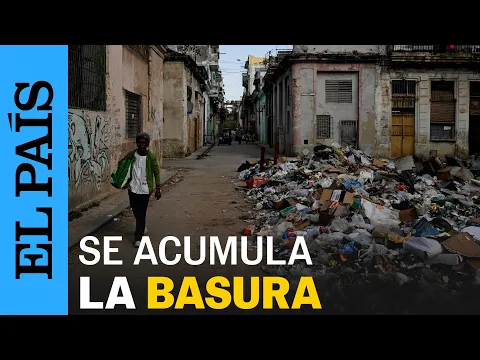

Moreover, in other cities on the island, which is home to about 11 million people, residents are turning to social media to alert about public health risks. The presence of waste attracts rats, insects, and increases the fear of diseases.
Oil Disappears and the Cuban Government Imposes Rationing
The oil supply in Cuba has plummeted in the last two months. Therefore, the government has begun to implement rationing measures to try to preserve essential services.
This happens in a country that was already facing shortages of food, fuel, and medicine.
Venezuela, which was the main supplier, virtually halted shipments in mid-December.
Subsequently, Mexico announced the suspension of shipments after Washington threatened to impose tariffs against countries that send supplies to Cuba.
On the other hand, a Russian newspaper reported that Moscow is preparing to send crude oil and fuel shipments to the communist island in the near future, although no specific date has been set.
US Pressure Worsens Cuba’s Isolation
The United States has maintained an embargo against Cuba since the 1960s. However, in recent months, President Donald Trump’s administration has hardened its stance. Ships carrying oil to the island have been sanctioned. Additionally, suppliers have been threatened with tariffs.
Washington claims that these measures may pressure for political changes in Cuba. In contrast, the United Nations has been voting for years to end the embargo. Leaders from Mexico and Venezuela have warned that the fuel blockade could lead to severe humanitarian impacts.