Portuguese
  Spanish


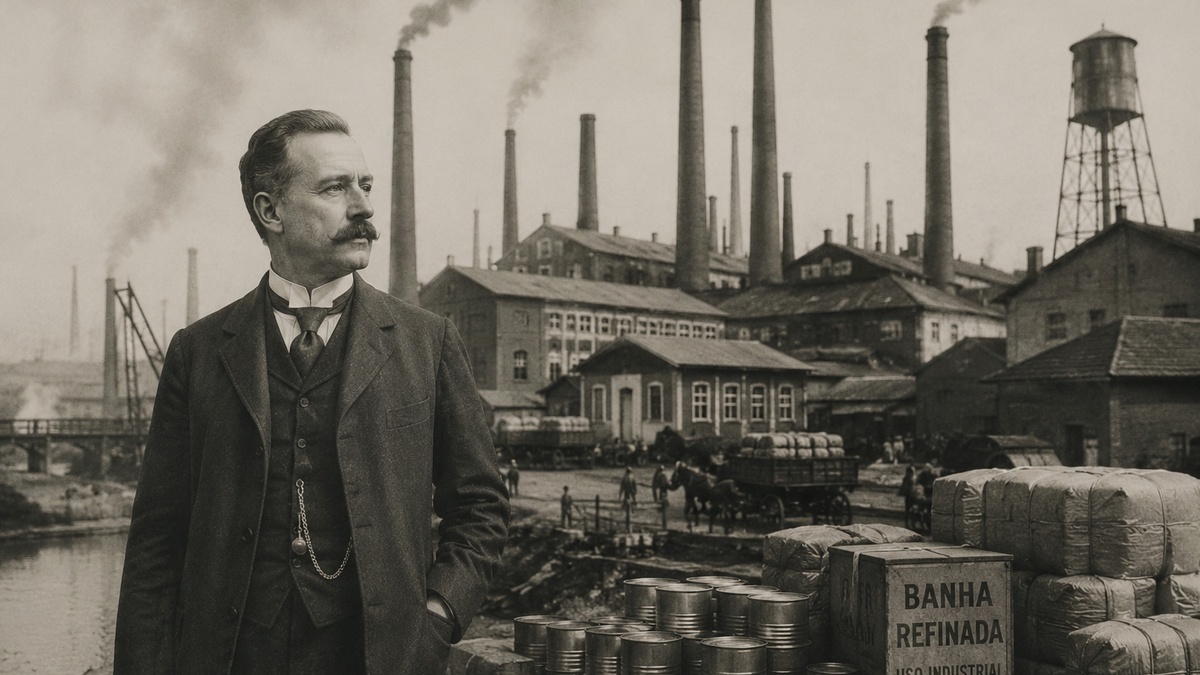

Francesco Matarazzo started with a small commercial house, invested in lard production, and formed one of the largest industrial complexes in Latin America
The industrial empire created by Francesco Matarazzo was born after a loss that could have ended his plans even before the first business.
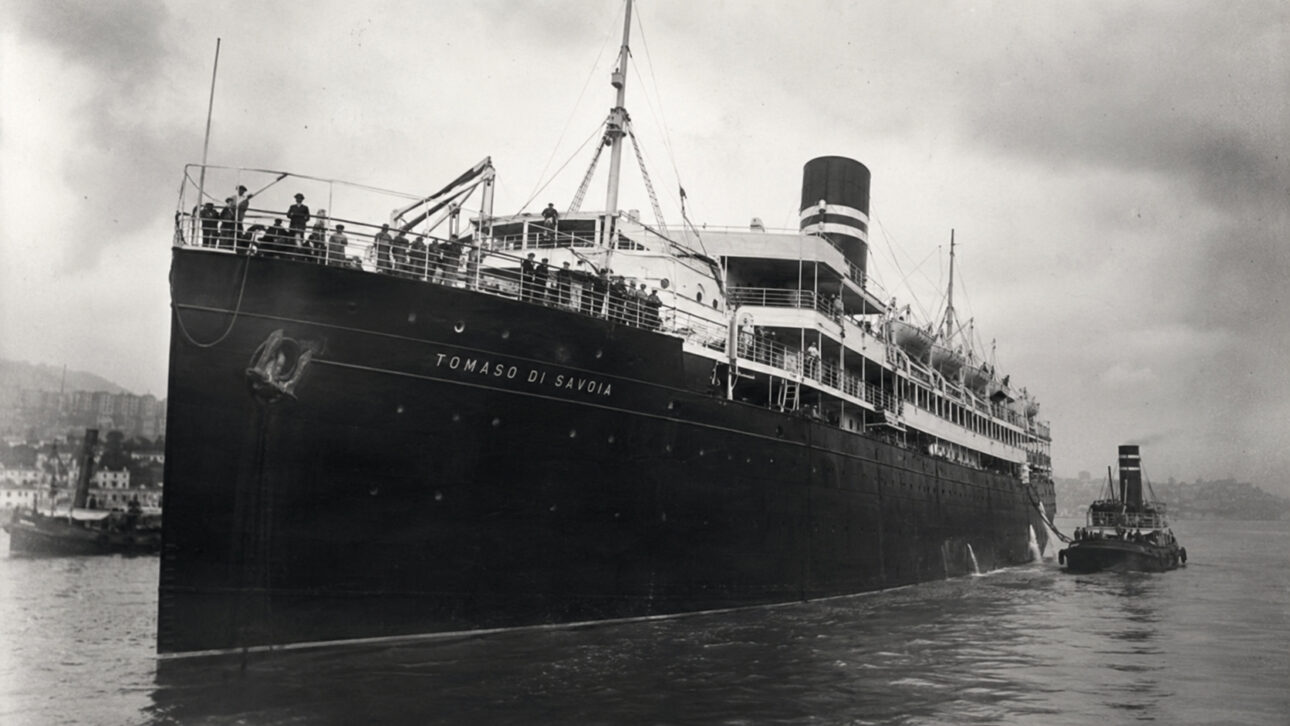
His arrival in Brazil occurred in 1881, when the Italian immigrant was 27 years old. His wife and two children also participated in the journey.
The initial plan involved selling a shipment of bacon sent from Italy. However, the ship responsible for the transport sank.
-
Without leveling mountains or relying on tractors, Japanese farmers spread tons of grass on slopes of up to 40 degrees, keep soil threatened by erosion productive, and cultivate millet, buckwheat, and potatoes.

-
Hospitalized with a weak heart in the yellow room of a UPA in Santarém, Mr. Tito, 73, asked to get married, and the team held the wedding at the UPA and even found the children he hadn’t seen through the internet.

-
After 20 years together, Mr. Luiz, 94 years old, entered the Matriz Church of Brumado on the arm of his daughters and walked up to the altar with Rosinha, the bride 40 years younger, in a wedding that moved Bahia.
-
The incredible Batman mansion goes on sale for R$ 164 million with 1,734 m², 7 bedrooms, 11 bathrooms, and a history in Hollywood movies and series.





Decades later, the businessman was leading a conglomerate with about 200 factories and approximately 30,000 employees.
Father’s death changed Francesco Matarazzo’s plans
Francesco Antonio Maria Matarazzo was born on March 9, 1854, in Castellabate, in the Italian province of Salerno.
A military career was among his initial goals. The young man even studied at the Salerno Lyceum before facing an unexpected change.
The death of his father caused financial difficulties and forced Matarazzo to abandon his studies. The responsibilities for the family business fell into his hands.
The economic crisis in southern Italy also weakened trade and reduced the income from rural properties.
Brazil appeared, in this scenario, as a possibility for a fresh start and professional growth.


Small commercial house paved the way for the first business
The loss of the cargo led Matarazzo to move to Sorocaba, in the interior of São Paulo.
A small commercial house was opened in May 1882, with the support of a fellow countryman.
The merchant’s routine included visits to rural properties, negotiations with farmers, and transportation of goods by pack animals.
Direct contact with producers allowed the identification of available raw materials and important needs of the regional market.
One of these opportunities was in pork lard, a product that Brazil still imported at that time.
Local manufacturing began around 1883, with the installation of the first unit in Sorocaba.
Another production structure later emerged in Capão Bonito do Paranapanema, now the municipality of Capão Bonito.

Lard in cans boosted industrial expansion
The sale of lard in cans increased food preservation and facilitated transportation to more distant markets.
The supply of packaging also came to be controlled by the entrepreneur, who installed his own metalworking facility.
The need for bags to store flour opened up space for new investments in the textile sector.
Each factory, in this way, supplied materials or utilized inputs used by another unit of the group.
The vertical integration model reduced costs, expanded production control, and strengthened business margins.
Move to São Paulo accelerated the formation of the empire
The move to the São Paulo capital occurred in 1890. Matarazzo opened the company Matarazzo & Brothers with Giuseppe and Luigi.
The Spanish-American War, which began in 1898, made it difficult for the United States to supply flour.
Matarazzo anticipated the shortage, imported Argentine flour, and supplied part of the Brazilian market during the crisis.
The Matarazzo Mill was inaugurated in March 1900, with equipment purchased in England and financing obtained from an English bank.
The Mariângela Textile Factory began operating in 1904.
The Francesco Matarazzo United Industries were formalized in 1911 and expanded the production of food, textiles, packaging, and chemical products.
The conglomerate also included banks, farms, real estate, railways, hydroelectric plants, ships, and transportation companies.
World War I Strengthened National Factories
World War I, between 1914 and 1918, reduced the arrival of foreign goods to Brazil.
The Matarazzo factories increased production to meet the national demand created by the drop in imports.
The group also supplied products to Italy and France during the conflict.
The work carried out during this period earned the industrialist the hereditary title of count, granted by the king of Italy.
The creation of Ciesp occurred in 1928, with the participation of Matarazzo. The entrepreneur took on the first presidency of the entity.
Legacy Remains in the History of São Paulo
Francesco Matarazzo died in 1937, after more than five decades dedicated to business in Brazil.
Francisco Matarazzo Junior took over the conglomerate after the founder’s death.
Debts, succession problems, economic changes, and a centralized administration weakened the group over the following decades.
Part of this legacy can still be seen in the Matarazzo Building, the former headquarters of the industries and current headquarters of the São Paulo City Hall.
In your opinion, what was the most decisive factor in transforming a beginning marked by losses into one of the largest industrial empires in the history of Brazil?