Portuguese
  Spanish


Co-founder of Amaggi, agribusiness giant born in the interior of Mato Grosso, Lucia Borges Maggi is 94 years old, is the tenth richest woman in Brazil, with R$ 6.6 billion, and entered the list of billionaires who built their fortune from scratch, without inheritance from a wealthy family
Brazil, which exports food to the world, has plenty of names in commodities, but few with a trajectory as out of the ordinary as the woman behind one of the largest soybean trading companies in the country. According to Correio 24 Horas, Lucia Borges Maggi, 94, is co-founder of Amaggi, one of the largest agribusiness companies in the world, and ranks as the tenth richest woman in Brazil, with a fortune of R$ 6.6 billion. A wealth built on farming, grain, and logistics.
The detail that draws attention is the origin of this billionaire fortune. According to Correio 24 Horas, Lucia Maggi was born in 1932 and is classified as a self-made billionaire, one who built her wealth from scratch, without starting from an already wealthy family. Amaggi grew from the field, not from a ready-made inheritance.
What is Amaggi, the soybean giant
To understand the fortune, it is necessary to understand the company. Amaggi is identified by Correio 24 Horas as one of the largest agribusiness companies in the world, a group that was born and grew in the interior of Mato Grosso, the heart of Brazilian soybean production. It is in the Mato Grosso savannah that soy became the engine of the group’s wealth.
-
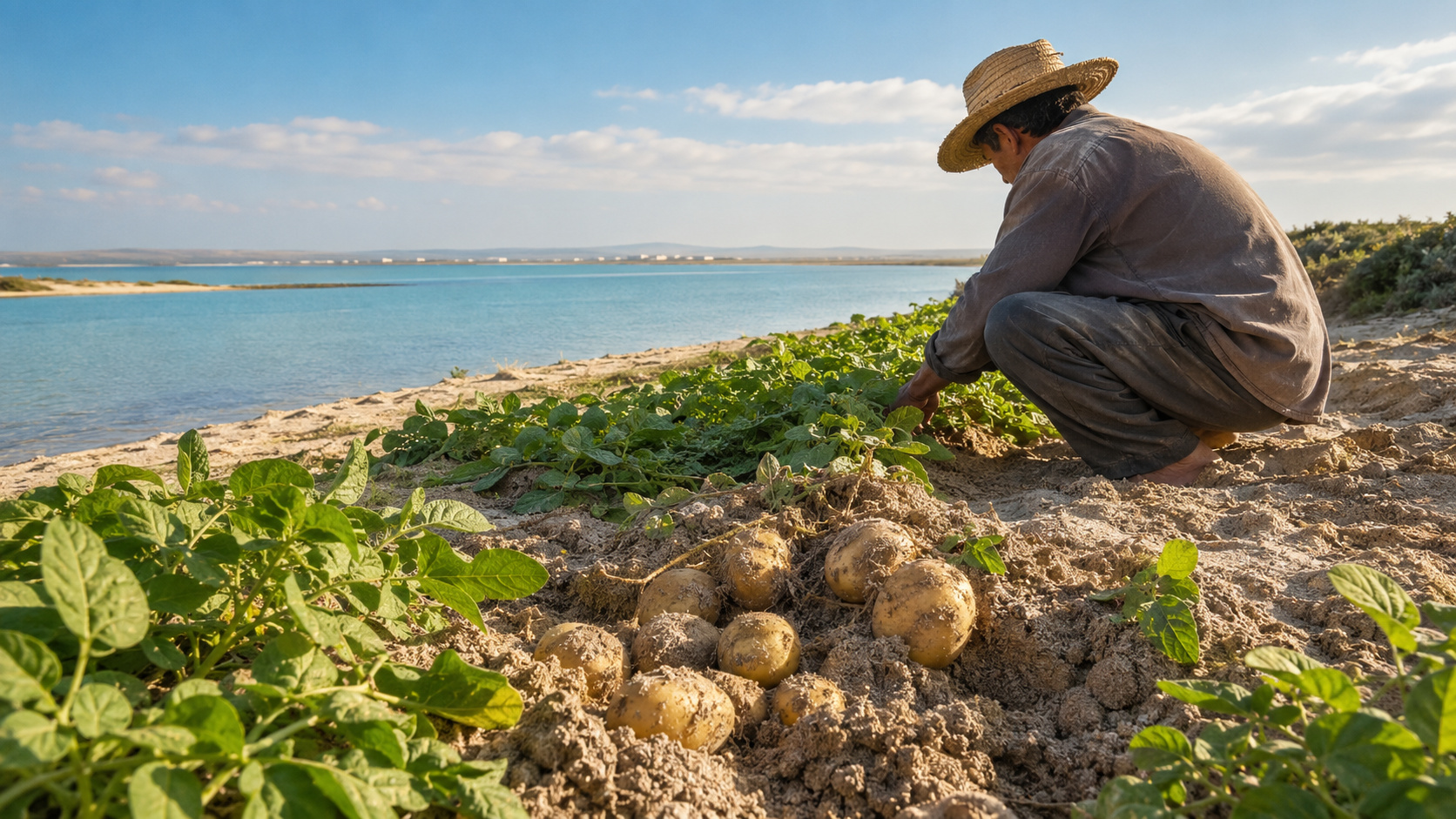
It seems impossible, but farmers in Tunisia plant potatoes on sand surrounded by saltwater, use rain and tides for irrigation, and harvest up to 30 tons per hectare.

-
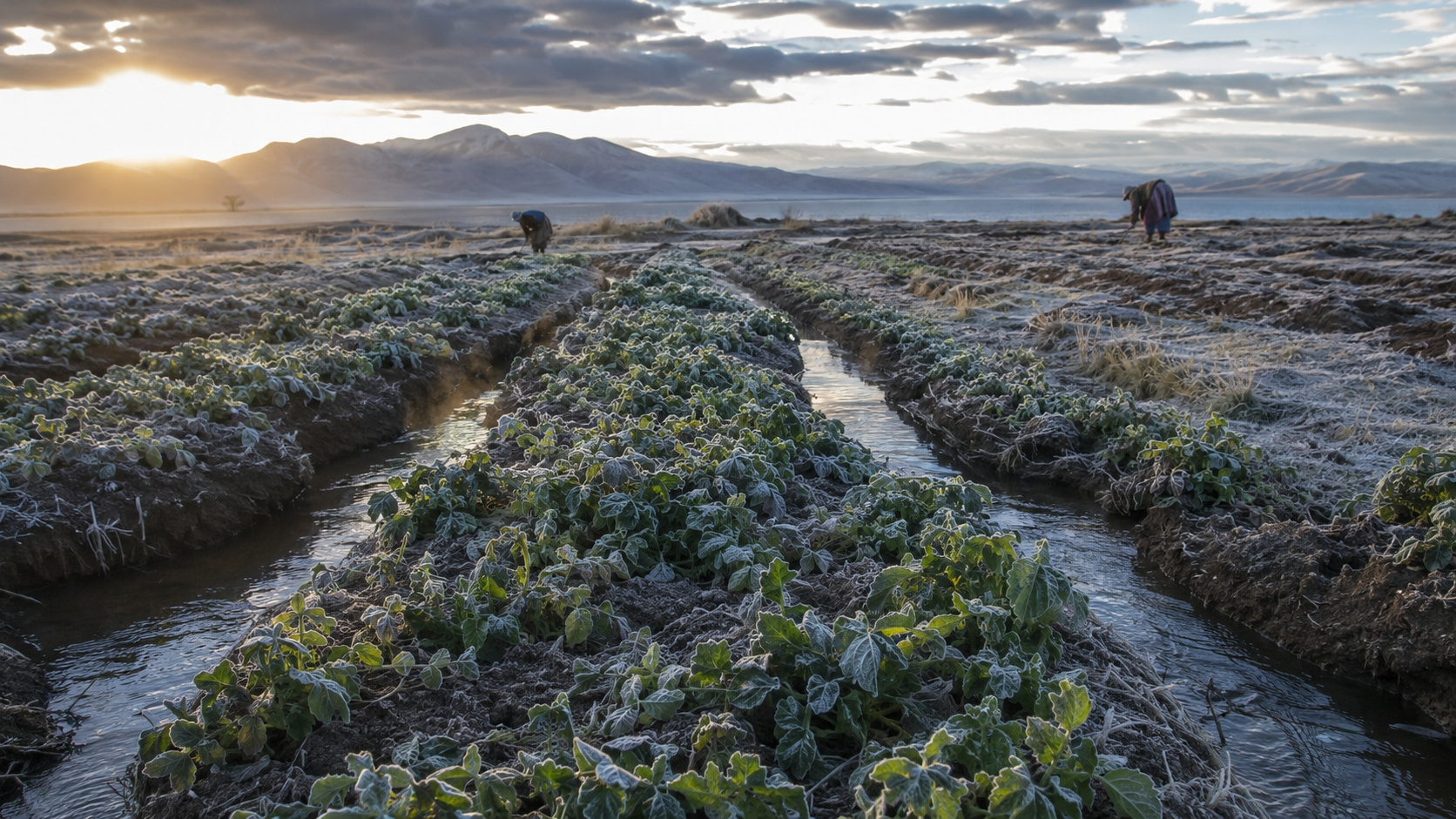
Without industrial fertilizers or pesticides, farmers in Peru are reclaiming 3,000-year-old fields that use water to warm crops during frosty nights at an altitude of 3,800 meters.
-
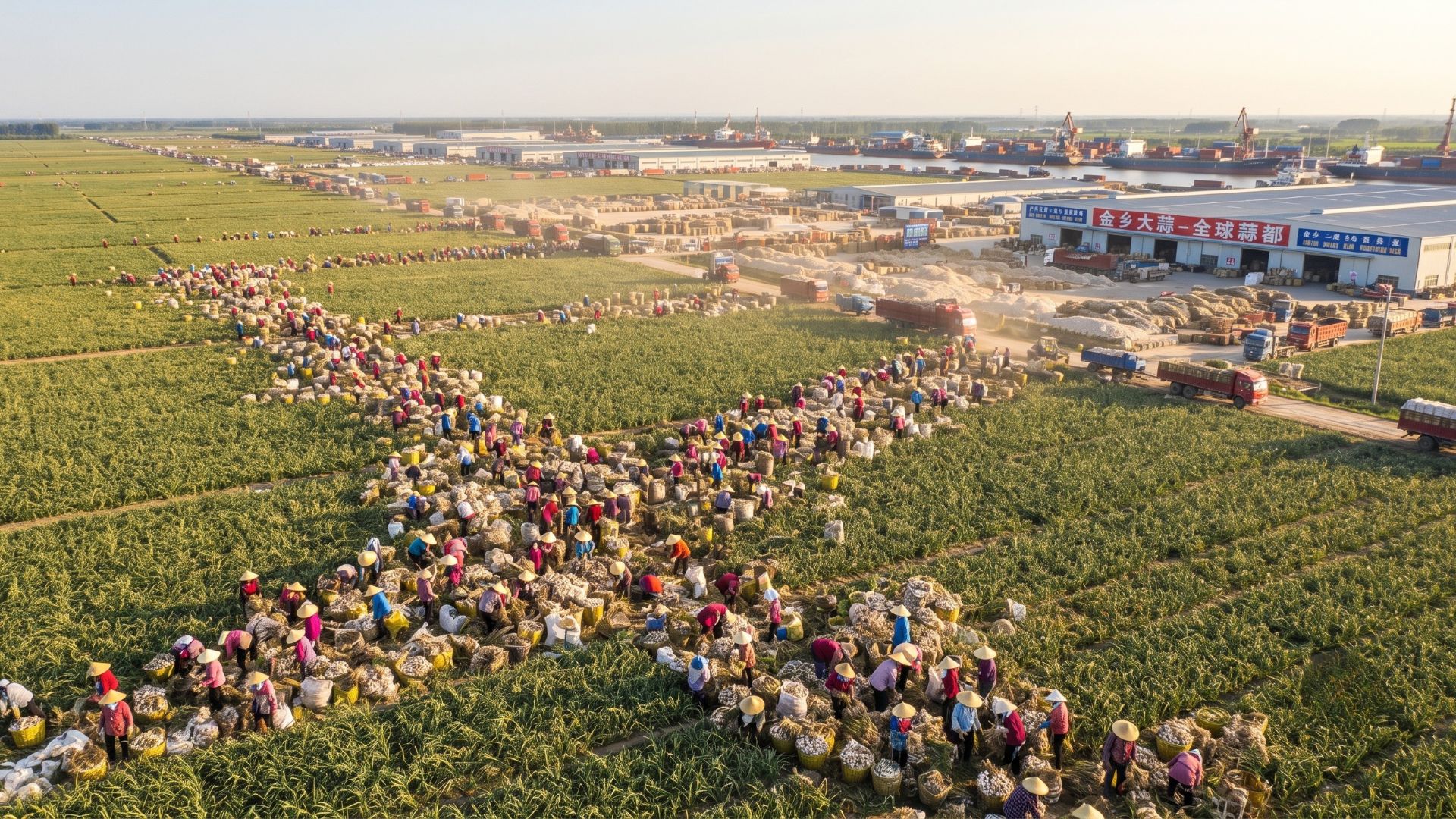
Garlic Empire: China produces 21.3 million tons per year, harvests 58 thousand tons per day, and controls 73% of all garlic consumed on the planet.

-
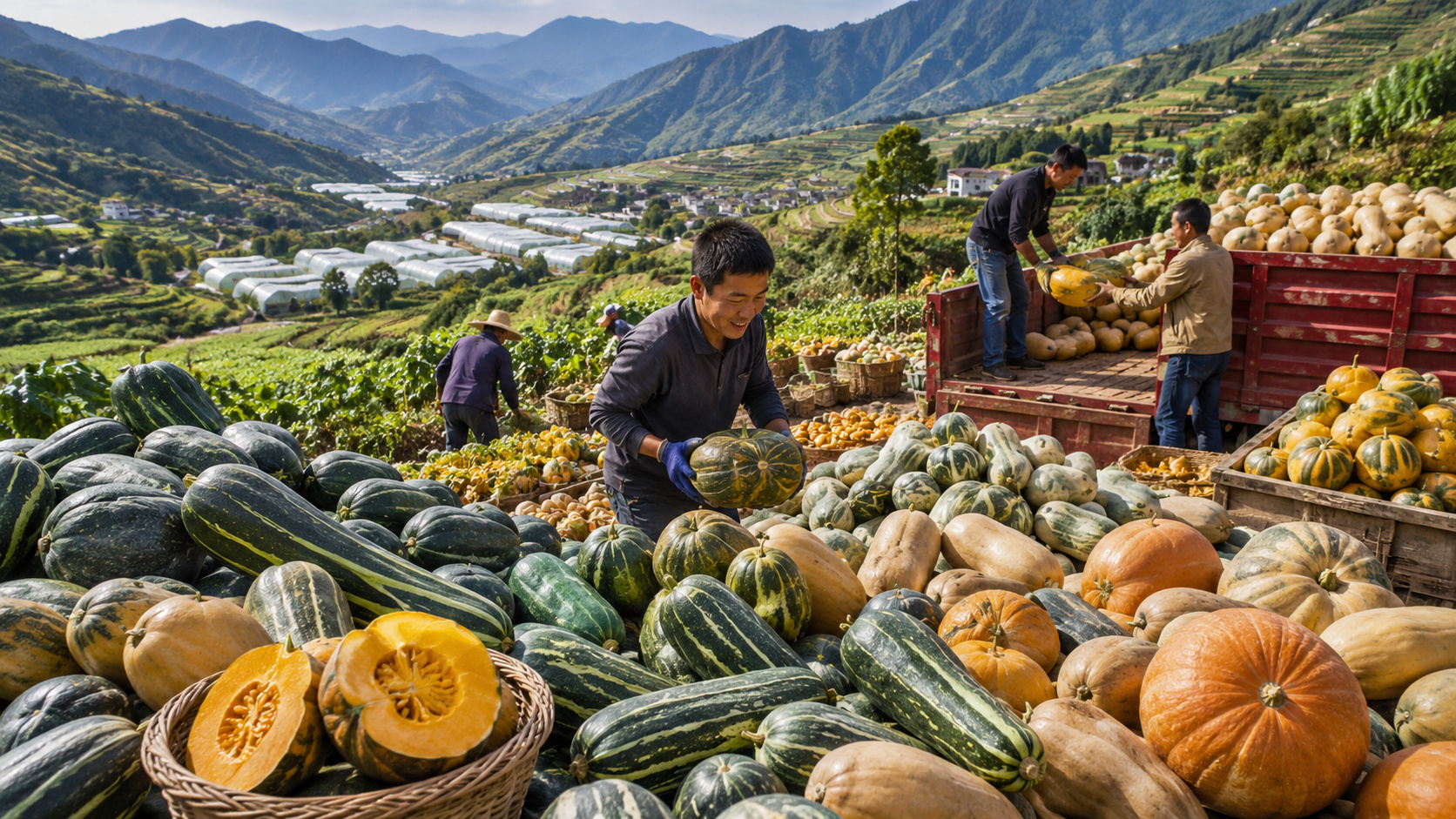
China harvests 7.37 million tons of pumpkins, zucchinis, and gourds in a single year, dominates 31.2% of global production, and transforms mountainous areas into export hubs.
The scale of the business helps explain the billions, in the reading of this editorial, duly signaled. Soy is currently the main product of Brazilian agribusiness, and Brazil competes with the United States for world leadership in grain export. A company that plants, buys, stores, transports, and exports soy in large volumes operates in a chain that moves billions of reais per harvest. It is this type of operation, from field to port, that is behind the wealth associated with the name Amaggi and the name Maggi.
From Mato Grosso’s fields to one of the largest fortunes in the country
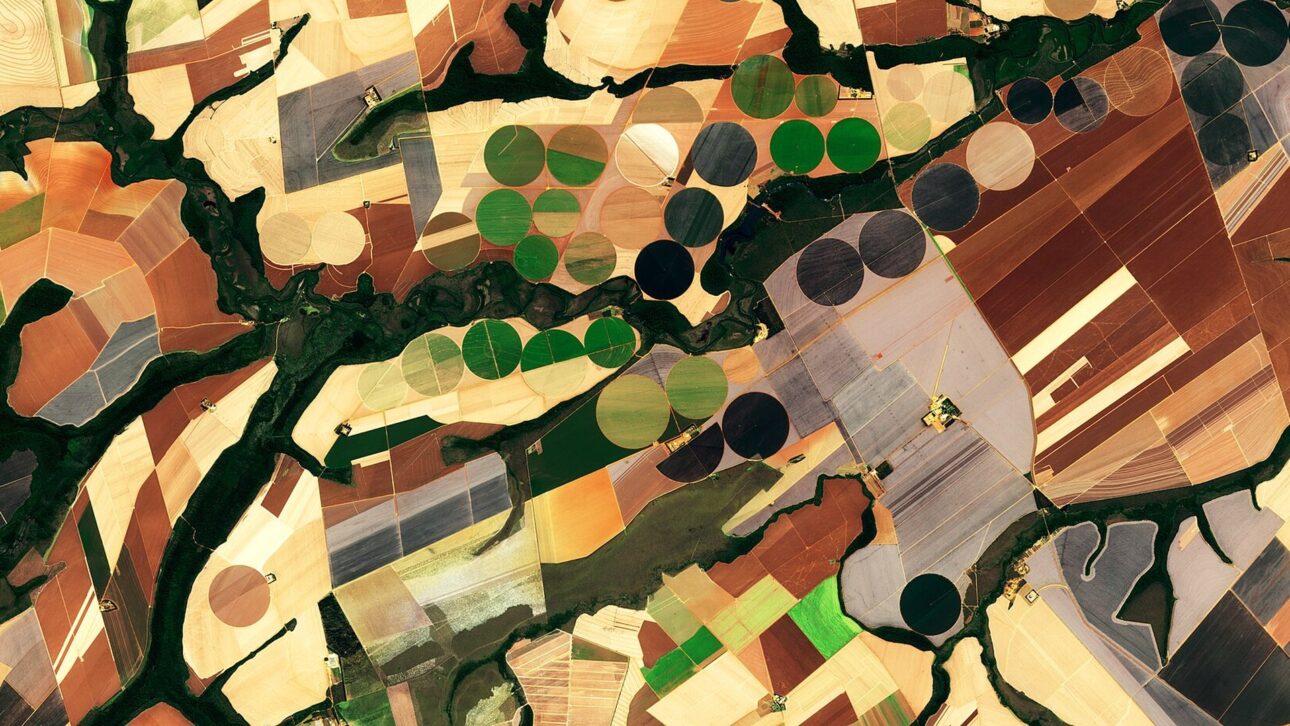
The construction of this empire did not start in an office in São Paulo, but on the land. According to Correio 24 Horas, Lucia Maggi’s fortune is linked to agribusiness, soybeans, and the group that bears the family name, with roots in the interior of Mato Grosso. It was there, far from the big centers, that Amaggi became a powerhouse in the sector.
It is worth reading this article, duly highlighted, about what this type of trajectory represents. In a sector historically dominated by men, seeing a woman among the biggest names in a soybean trading company is rare, and that is why the case stands out in the lists of self-made billionaires. It is not about romanticizing difficulty, but recognizing the construction of a company that became a central piece of Brazilian agribusiness, which accounts for a good share of the country’s exports.
The dimension of the group appears when looking at the entire chain, still in highlighted reading. A soybean trading company does not live only from planting: it buys grain from thousands of producers, stores it in silos and warehouses, transports it by road and waterway to the ports, and negotiates with buyers from China, Europe, and other markets. Each link in this chain has a margin, and it is the sum of them that transforms the harvest into billions. By assembling piece by piece of this machinery, Amaggi grew to the point of placing the Maggi name among the largest fortunes in Brazil.
The billionaire who chose the interior, not the capital
If fortune allows any address, her choice tells a story. According to Correio 24 Horas, even with billions to her name, Lucia Maggi maintains her life in the interior of Mato Grosso, close to where Amaggi was born, and not in the luxury addresses that fortune could afford. The matriarch of soy preferred to stay close to the origin of the business, in the state that became the largest grain producer in the country.
This choice says something about the profile of agribusiness, in observation of this article, duly highlighted. Unlike financial wealth that concentrates in capitals, the fortune of the countryside tends to keep its roots where the land produces. For those who live off the harvest, being close to the field, the warehouse, and the shipping port is not nostalgia, it is control of their own business. Lucia Maggi’s choice for Mato Grosso aligns with the logic of an empire that depends on what the land delivers every year.
It is worth emphasizing how this discreet profile contrasts with the figure, still in highlighted reading. Billions of reais usually come accompanied by a mansion in a noble neighborhood, a plane, and a life in the capital, and it is precisely by avoiding this portrait that Lucia Maggi’s case draws so much attention. Keeping the base in the interior, where Amaggi started, is the choice of someone who sees fortune as a consequence of work in the field, not as a passport to luxury. This contrast between the size of the wealth and the simplicity of the address is what makes the story resonate outside the world of agribusiness.
Why the history of Amaggi interests Brazil
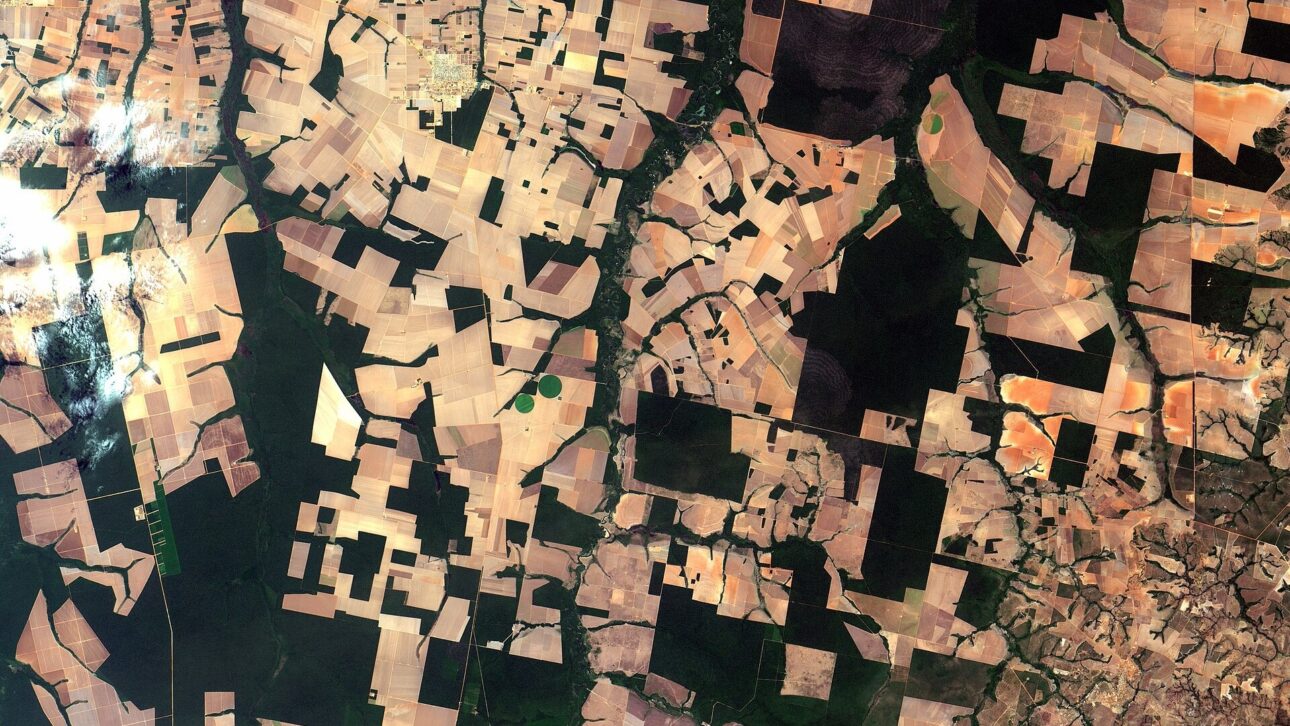
The case goes beyond curiosity about a billionaire, in this editorial reading, duly noted. Amaggi is a portrait of how agribusiness transformed the interior of the country into one of the richest regions in generating revenue. Mato Grosso, which a few decades ago was an agricultural frontier, became the largest soybean producer in Brazil, and groups like Amaggi helped drive this change, creating jobs, energizing cities, and placing Brazilian grain in ports around the world.
And there is the side that also deserves an honest look, still in noted reading. The advance of soy over the cerrado brings an environmental debate, about deforestation and land use, that accompanies the sector’s growth. Telling the story of Amaggi and Lucia Maggi is also telling the story of this Brazil that became the planet’s granary, with all that this agricultural power has in terms of wealth and responsibility. It is a central chapter for those who want to understand where the money from agribusiness comes from.
There remains a lesson about longevity in leadership, in observation of this editorial, duly noted. At 94 years old, continuing as a reference for a group of this size shows that, in agribusiness, experience and knowledge of the business itself are as valuable as capital. Strong family businesses tend to rely precisely on this memory of those who saw the company born and grow, and the trajectory of Amaggi is an example of how this type of root sustains an empire that spans generations in the sector that generates the most revenue for the country.
Watch: the strength of soy in Brazilian agribusiness


To gauge the sector that supports fortunes like that of Amaggi, a video helps. The Terraviva channel showed that Brazil’s soybean export in grain reached a record volume, which helps to understand why the grain became the main product of the national agribusiness, the same market in which Amaggi, co-founded by Lucia Maggi, became one of the largest in the world. Tell us in the comments: did you imagine that the interior of Mato Grosso held one of the largest fortunes in the country’s agribusiness?