






 Portuguese
  Spanish




Historic Investment Marks Heineken’s First Factory Built From The Ground Up In Brazil And Reinforces Commitment To Internal Consumption Amid Market Expansion
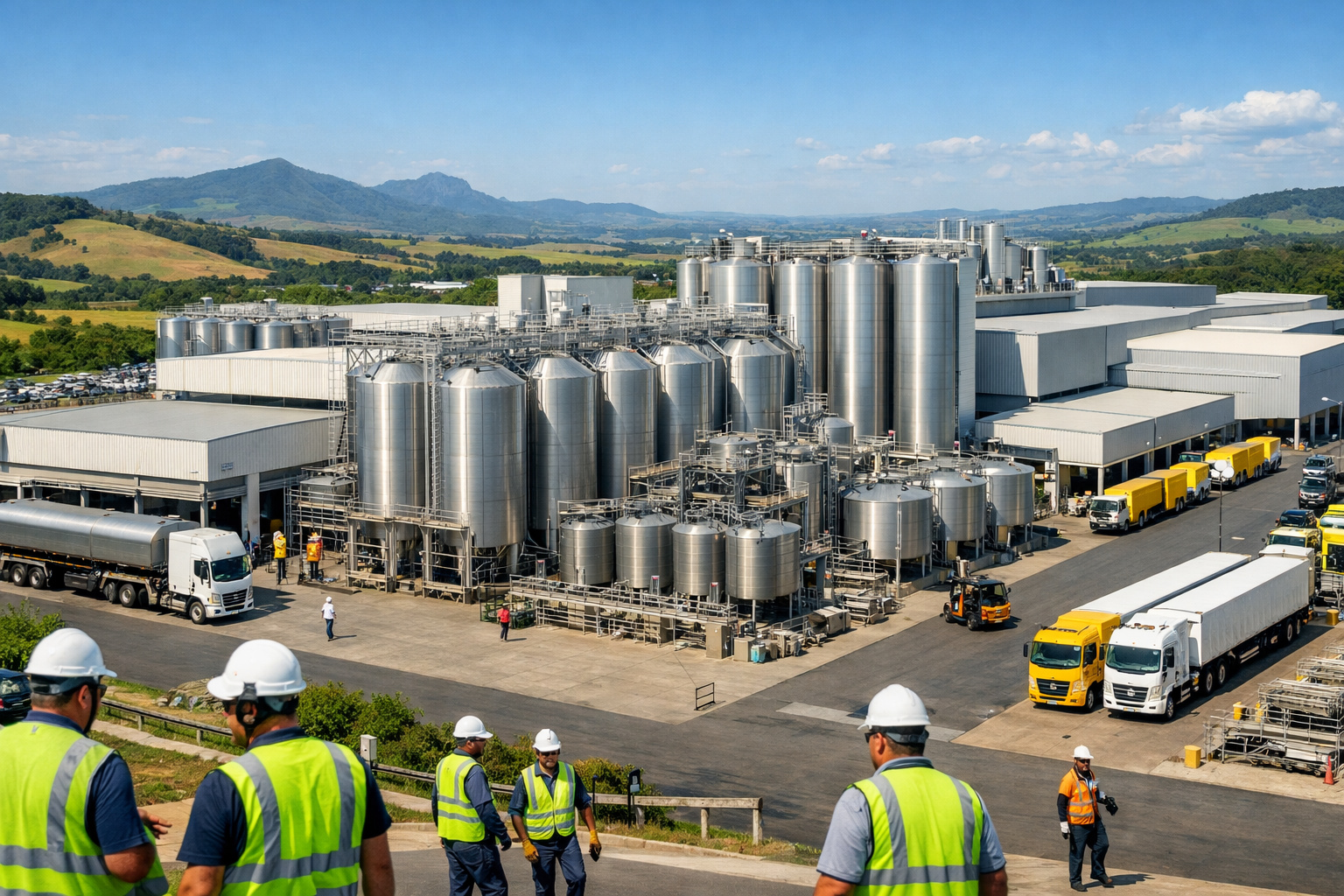
Heineken took a historic step for its operations in Brazil by inaugurating, in January, the first megafactory built from the ground up by the company in national territory, consolidating a record investment of R$ 2.5 billion. The new industrial unit is located in the city of Passos, in the South of Minas Gerais, and is already one of the most modern in the group worldwide, combining cutting-edge technology, sustainable processes, and a phased expansion plan.
The information was disclosed by the Portal N1N, which closely followed the announcement by the Dutch company and detailed the economic and industrial impacts of the venture. According to the publication, the inauguration marks a new chapter in Heineken’s strategy in the country, which now occupies an even more relevant position within the global production chain of the group.
In addition to the significant amount invested in the project, the factory has already started operating with the generation of 350 direct jobs, a number that is expected to grow in the coming years as new production lines come into operation. This way, the company not only increases its production capacity but also strengthens regional economic development.
-
Half of Brazilians Prefer Lower Taxes with Private Health and Education, While 44% Opt for Higher Taxes for State-Provided Services, Datafolha Survey Reveals

-
Brazil’s Most Expensive Toll Rises to R$ 40.60 on Route from São Paulo to the Coast, Nearly Matching Bus Fare to Santos

-
As Brazil Expands Social Welfare, Survey Reveals 40% Blame Poverty on Laziness, While 58% Cite Lack of Opportunities

-
China Tightens Control on Antimony, Driving Prices from $22,000 to Nearly $40,000 per Ton as U.S. Rushes to Bolster Strategic Reserves




Industrial Complex Occupies Nearly 1 Million Square Meters And Is Designed To Grow With Demand
Heineken’s new factory was installed on a plot of nearly 1 million square meters, making it one of the largest industrial complexes in the brewing sector in Brazil. Currently, the built area totals 200 thousand square meters, but the project was designed to allow for gradual expansions, following the increase in beer consumption in the Brazilian market.
This scalable model allows the company to adjust production volume strategically, avoiding logistical bottlenecks and ensuring operational efficiency. Thus, as demand increases—especially during peak periods such as summer and Carnival—new structures can be incorporated into the industrial park without the need for emergency construction.
Another noteworthy point is the technological standard adopted at the unit. From the beginning, the factory was designed to operate with more sustainable processes, reducing water and energy consumption and emissions, aligning with Heineken’s global sustainability goals.
Beer Produced In Minas Undergoes Testing In The Netherlands Before Reaching Brazilian Consumers
Even before the factory officially began its commercial operations, Heineken adopted a rigorous quality validation protocol. The first bottles produced in Passos were sent to Amsterdam, in the Netherlands, where brand specialists analyzed each batch.
This procedure follows a global company rule: no beer can be sold without technical approval from headquarters. The goal is to ensure that the product maintains the same flavor, aroma, and quality standards recognized internationally.
According to Maurício Giamellaro, CEO of Heineken’s Brazilian operation, consumers only receive the product after this global endorsement. According to him, the validation ensures that the beer produced in Brazil is identical to that consumed in any other country where the brand is present, reinforcing the consistency of the experience offered to the public.
Operation Starts With Two Lines, Aims For Full Capacity By 2027 And Could Double In Size
At this initial stage, the megafactory operates with two of the four production lines planned in the original project. The company’s schedule establishes that all lines should be active by the end of 2025, allowing the unit to reach its maximum capacity between 2026 and 2027.
Initially, the production focus will be on the brands Heineken and Amstel, in different formats, including cans, long necks, and returnable bottles. This diversity allows catering to different consumer profiles and broadens the company’s presence at points of sale.
With the increase in production to meet high seasonal demand, the company is already evaluating the possibility of doubling the size of the operation if commercial performance remains strong. This scenario would further increase the number of direct and indirect jobs, reinforcing the strategic role of the Passos factory within the group.
Brazil Consolidates As A Strategic Market For Heineken On A Global Scale
The inauguration of the factory in Minas Gerais reinforces a broader movement by Heineken to solidify Brazil as one of its key markets in the world. The country is already among the largest beer consumers on the planet, and the industrial expansion indicates confidence in the sustained growth of the sector.
Moreover, by opting to build a plant from scratch, the company demonstrates a long-term commitment to the Brazilian market, unlike strategies based solely on acquisition or modernization of old structures.
As pointed out by the Portal N1N, the new industrial complex symbolizes not only a robust financial investment but also a clear bet on the economic, logistical, and human potential of Brazil, especially in regions outside the traditional major centers.




As cervejas são excelentes!!!
O problema são ele nos forçarem a consumir a lata de 260ml
Pois pararam de entregar a de 350ml, que não minha opinião de consumidor de amstel e muito superior
Biertje