Portuguese
  Spanish


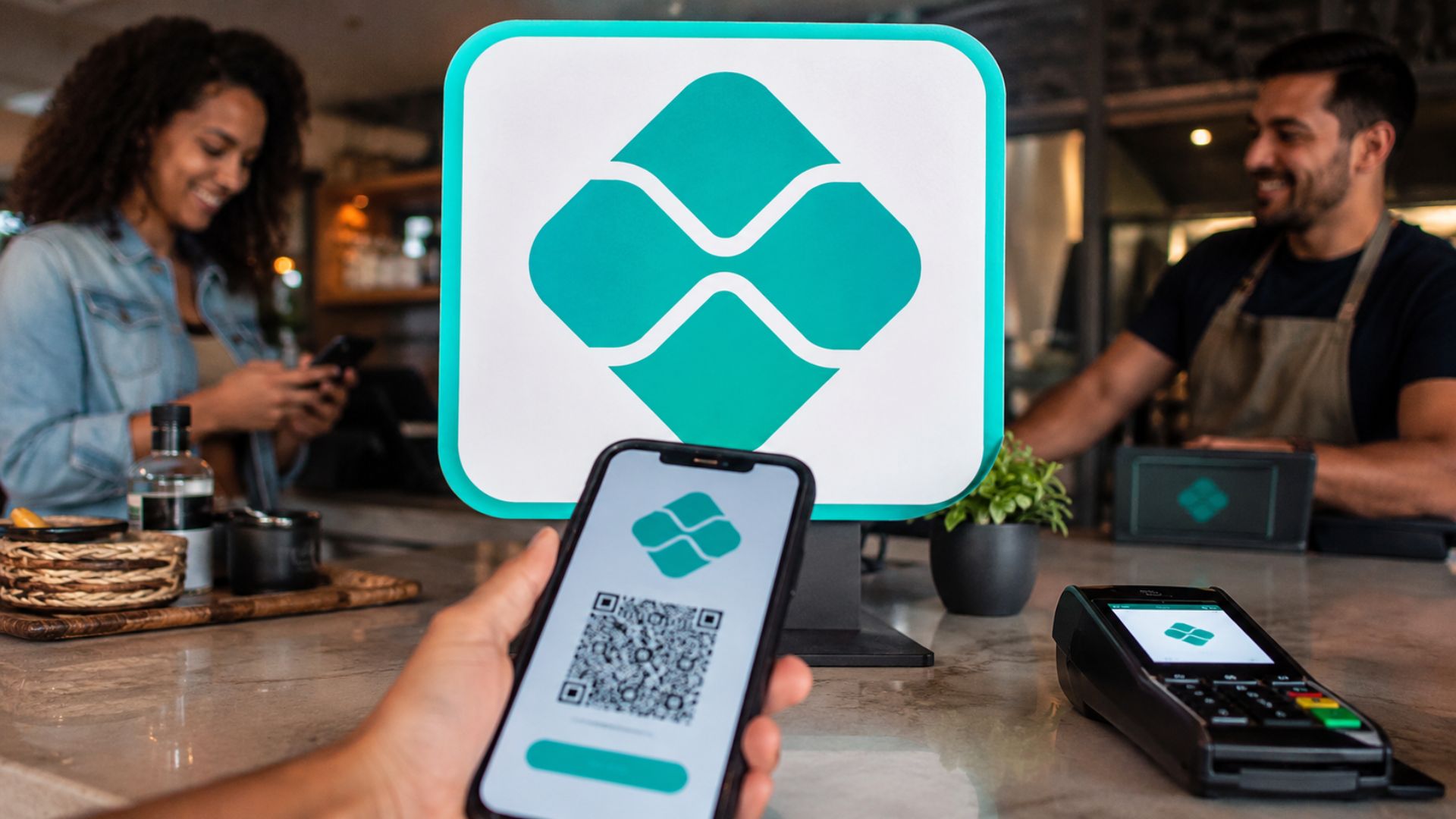

System created by the Central Bank became a reference in instant payments, reduced the use of cash, expanded banking access, and started being observed by other countries, while global card companies monitor the loss of space in part of the transactions.
Pix consolidated its position in 2025 as the main payment method in Brazil by moving around R$ 35.36 trillion in transfers, according to Central Bank data, in addition to expanding its presence in operations conducted by Brazilians abroad.
Created by the Central Bank in 2020, the instant payment system stopped being just an alternative to traditional bank transfers and started to occupy a central space in the financial routine of individuals, companies, and service providers.
With this accelerated expansion, the use of cash lost momentum, card-based models began to face more pressure, and the Brazilian state’s role in the payment market became the center of an international dispute.
-
As Brazil Expands Social Welfare, Survey Reveals 40% Blame Poverty on Laziness, While 58% Cite Lack of Opportunities

-
China Tightens Control on Antimony, Driving Prices from $22,000 to Nearly $40,000 per Ton as U.S. Rushes to Bolster Strategic Reserves

-
BlackRock Freezes $1 Billion in Brazilian Renewable Energy, Impacting 1.5 GW of Planned Projects and Highlighting Investor Concerns Over Infrastructure Bottlenecks Cutting Up to 25% of Solar and Wind Generation
-
Labor Shortage: Despite Record Average Salary, 90% of Brazilian Bar and Restaurant Owners Struggle to Hire Key Roles Like Sushi Chefs and Head Cooks


In 2025, the volume moved by Pix grew about 33.6% compared to the previous year, when transactions totaled approximately R$ 26.46 trillion, while the number of operations reached around 79.8 billion in the period.
This result helps explain why the system started being observed outside Brazil, as the high adoption among consumers was accompanied by changes in how small businesses receive payments and manage their costs.
In addition to reducing the dependence on cash, Pix created a public digital payment infrastructure with uninterrupted operation, capable of handling everything from low-value personal transfers to commercial charges made by companies and freelancers.
Pix changes payment routine in Brazil
Mass adoption occurred because Pix combines three characteristics that gained importance in financial daily life: settlement in a few seconds, availability every day, and free of charge for individuals in most operations.
This combination allowed low-value transfers, store payments, charges between freelancers, and online purchases to quickly migrate to a simpler model, without relying on banking hours or additional compensation steps.
Before the popularization of Pix, a large part of these operations depended on TEDs, DOCs, boletos, checks, cards, or cash, each with limitations related to deadlines, fees, restricted hours, operational cost, or private intermediaries.
With the advancement of instant payment, the check has lost even more relevance, while traditional invoices and transfers have started to compete for space with a more direct instrument for the user and cheaper in various commercial situations.
The card remains important, especially in installment credit, but it is no longer the only practical option in many establishments, especially when the retailer seeks to receive the amount immediately and reduce expenses with fees.
Stores, restaurants, freelancers, and service providers have also started using Pix as an alternative to reduce costs related to card machines, acquiring, and receipt deadlines, which opened up space for discounts on instant payments.
In many cases, the discount offered to the customer precisely reflects this cost difference, as the money enters the merchant’s account in a few seconds and without the same card intermediation structure.
Banking Grows with Instant Payment
Among the most relevant effects of the expansion of Pix is the advancement of financial inclusion, mainly because the system made it more necessary to have an account to receive, pay, and transfer amounts in daily life.
The Central Bank reported in 2026 that 96.4% of the adult population had a bank account or payment account, although a smaller portion was considered active users of the financial system.
This movement cannot be attributed solely to Pix, as banking digitalization, digital banks, income transfer programs, and the popularization of smartphones also contributed to the opening of accounts.
Even so, instant payment accelerated the entry of new users into the financial system by making the digital account a practical tool for purchases, collections, family transfers, and receipts for services rendered.
The change reached groups that previously relied more on cash, such as informal workers, small sellers, freelancers, and consumers with lower use of traditional banking services.
At the same time, companies began to adapt their charging methods to the behavior of customers who prefer to pay by cell phone, which reinforced the presence of Pix in physical stores, apps, and in-person services.
A Google survey on payment methods showed that the frequent use of banknotes and coins fell from 43% in 2019 to 6% in 2024 among Brazilians surveyed.
This data reinforces the loss of space for physical money in the face of digital solutions, with Pix playing a central role in transforming payment habits and in the daily relationship of consumers with banks and digital wallets.
Cash Loses Space in Transactions
The decline in cash also appears in withdrawal statistics, which have recorded successive drops as mobile payments, instant transfers, and digital wallets have gained space in daily consumption.
A Central Bank report on payment methods indicated that, in the second half of 2025, withdrawals in traditional modes fell by 13.8% compared to the same period the previous year.
This decline does not mean the disappearance of physical money, which still holds importance in regions with less digital access, connectivity failures, preference for in-person payments, or difficulty using banking services via mobile phone.
Even so, the data shows a structural change in the financial behavior of Brazilians, marked by less circulation of banknotes and greater trust in digital solutions for routine payments.
After its launch, Pix also advanced in functionalities aimed at more recurring uses, such as Pix Automático, created for periodic payments, and Pix Agendado Recorrente, used to schedule future transfers and charges.
These tools bring the system closer to areas previously dominated by automatic debit, invoices, and cards, by allowing scheduled payments to be made within the same instant infrastructure created by the Central Bank.
The Central Bank even announced an agenda for Pix Parcelado, but decided not to create specific regulations for the modality in December 2025.
In practice, financial institutions continue to offer credit products associated with Pix, while the recipient can receive the full amount and the payer assumes the installment according to the contracted conditions.
Pix abroad depends on intermediaries
The international expansion of Pix does not yet mean that the Brazilian system has become its own global network, as occurs with international card brands present in different countries and currencies.
Outside the country, usage depends on fintechs, banks, acquirers, or exchange platforms that bridge the payment in reais and receipt in the local currency by the commercial establishment.
This model already appears in establishments at destinations frequented by Brazilians, including locations in Argentina, Paraguay, Portugal, France, and other markets with a significant flow of tourists from the country.
In general, the consumer scans a QR Code, confirms the amount in reais, and the intermediary institution handles the currency conversion, applicable taxes, and settlement to the merchant in the corresponding currency.
In March 2026, Banco do Brasil launched a solution to allow Brazilians to pay for purchases in Argentina via Pix, in partnership with Banco Patagonia.
The operation was presented as a step towards regional integration and expanding the use of instant payments outside Brazilian territory, still based on agreements between financial institutions and partner companies.
In practice, these initiatives indicate that international acceptance is still localized and depends on trade agreements, private intermediation infrastructure, and exchange rules applicable to each operation.
Even with this limited reach, the advancement draws attention because it takes advantage of Brazilians’ familiarity with Pix and can reduce the use of cards for some expenses incurred during trips.
Dispute with Cards Reaches the United States
The growth of Pix has also caught the attention of global payment companies and the United States government, especially because of the impacts of the Brazilian system on competition in the digital means market.
In 2025, the Office of the United States Trade Representative opened an investigation into Brazilian practices considered potentially harmful to American companies, including topics related to digital payments.
The Brazilian government responded that Pix does not discriminate against foreign companies and that the Central Bank acts as a provider of public infrastructure, neutral and focused on efficiency, competition, and financial inclusion.
The Brazilian defense also emphasized that other central banks are developing similar instant payment systems, placing the national experience within an international trend of payment modernization.
The dispute arises because Pix has reduced the dependence on private instruments in some transactions, although credit and debit cards remain relevant in installment purchases, benefit programs, and international operations.
In this scenario, the discomfort of the brands and companies in the sector is linked to the fact that a growing portion of operations no longer passes through traditional card networks.
For consumers and retailers, the choice between Pix, card, boleto, or cash now depends on cost, convenience, receipt time, and installment possibility, not just the availability of the payment method.
Fiscal Debate Accompanies Pix Growth
The advancement of Pix has also opened a discussion about the formalization of revenues and the issuance of invoices, as instant payment leaves financial records easier to trace than operations made in cash.
Although it increases the traceability of transactions, Pix does not replace the tax obligations of companies and service providers, nor does it exempt the issuance of tax documents when legislation requires this record.
When a sale or service provision occurs without the issuance of a tax document, the problem is not with the payment method, but with the non-compliance with the fiscal rules applicable to the economic activity.
Pix has only made more visible a part of the operations that could previously circulate in cash, outside the banking system, which has expanded the debate on inspection, formalization, and tax education.
Therefore, the expansion of the system tends to keep the theme at the center of discussions among the Central Bank, Federal Revenue, companies, freelancers, and consumers in the upcoming regulatory cycles.
The technology has facilitated payments and increased banking access, but it has also heightened the need for regulatory adaptation, proportional oversight, and financial education so that usage continues to grow without significant distortions.
Pix was born as a Brazilian instant payment infrastructure and, in a few years, began to influence consumer habits, business models, and international discussions on competition.
Its record growth shows that the competition no longer involves just banks and fintechs, but also governments, global payment companies, and the future of money circulation.