






 Portuguese
  Spanish
 3 min of reading


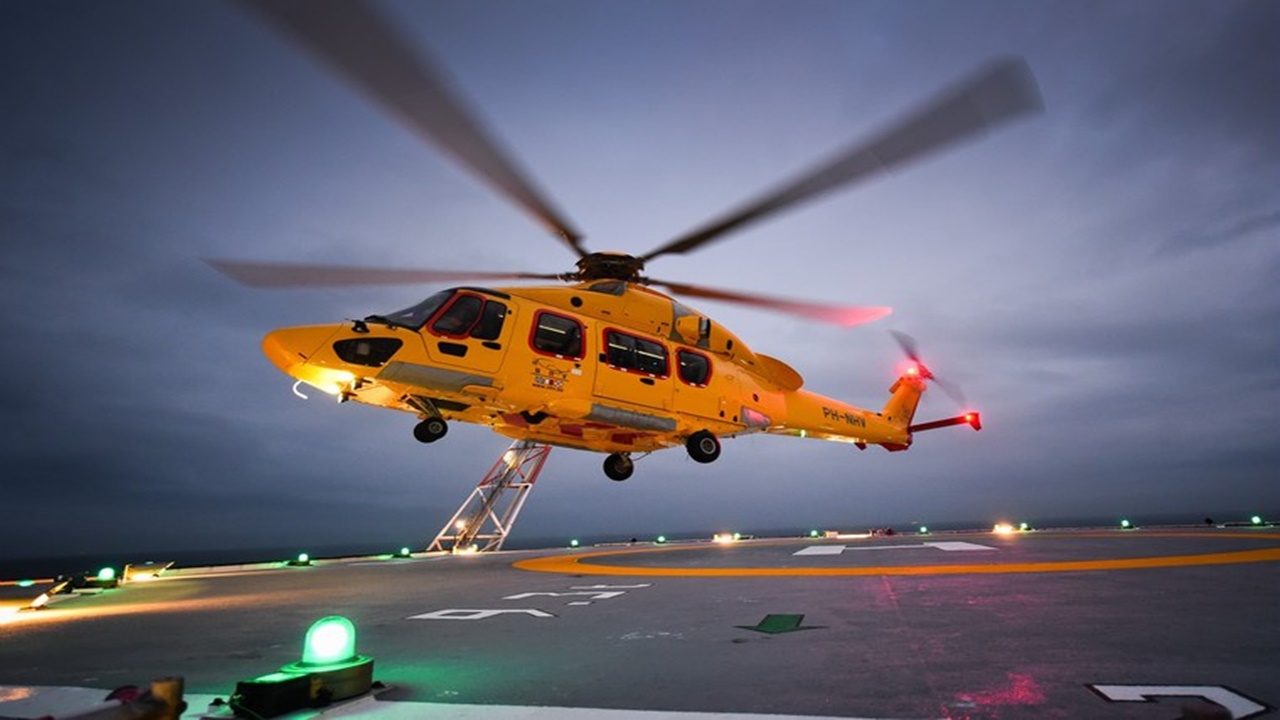
The Helipad of Port of Açu Aims to Attend the Offshore of the Platforms Installed in the North of the Basin of Campos and in the South of the Basin of Espírito Santo.
The works and operation of the Helicopter Pad of Port of Açu were suspended by the District Court of São João da Barra for lack of environmental licensing. The decision was signed by the acting judge Glicerio de Angiolis Gaudard on January 18, responding to a request from the Environmental Defense Group (GDA) in a lawsuit filed against the State Institute of the Environment (INEA) and Aeropar Participações Aeroportuárias S.A., responsible for the venture.
Read Also
- Construction and Assembly Contracts of Heftos Demand Many Offshore Jobs Today January 28
- DOF Subsea Calls for Professionals for Projects in Rio de Janeiro and Brazil
- Leader in the Manufacture of Machines, Engines, and Heavy Vehicles, Caterpillar, is Hiring for Positions in Its Factories
- Global Leader in Gases and Technologies, Air Liquide is Hiring Candidates with No Experience for Trainee Positions
- IMMEDIATE Hiring: CSE Rio das Ostras is Recruiting for Many Positions for Onshore and Offshore Maintenance Jobs
Destination of the Helipad – Public or Private?
When INEA granted the license for the construction, it considered that the venture is private, which would exempt it from presenting two documents: the Environmental Impact Study (EIA) and the Environmental Impact Report (RIMA).
However, in the magistrate’s understanding, the heliport will be dedicated to offshore flights, “which will most likely prove incompatible with a private aerodrome.” In this case, the preparation of the EIA/RIMA would be mandatory. Based on this reasoning, Judge Glicerio Gaudard ordered the suspension of the works and prohibited the heliport from operating until its actual destination is proven.
-
IEA reduces forecast for global oil demand in 2026 after impacts of the Middle East crisis

-
Bank of Japan raises interest rates to 1%, reaching the highest level in over three decades

-
ANP halts LPG reform, and Sindigás sees technical caution as a decisive point for safety, investments, and the future of the cylinder in Brazil.
-
Oil spill in the Caribbean raises environmental alert and increases tension between Venezuela and Trinidad and Tobago





The Port of Açu stated that “it fully complies with all current regulations and laws in the activities of the venture. The North Fluminense Aerodrome is the responsibility of Grupo Aeropart, which began its works only after obtaining the environmental license issued by INEA.”
[quads id=2]
Helipad of Port of Açu, in São João da Barra
With the works in the final treatment phase and expected to operate by the end of the first half of 2021, the Helipad of Port of Açu, in São João da Barra, has a total area of 210,000 m², with capacity for the landing and takeoff of 20 large aircraft with boarding and disembarking of 30,000 people/month.
The Açu heliport was also designed to be one of the boarding and disembarking bases for workers for the offshore oil production platforms in the Campos Basin.
Equipped with the most advanced infrastructure, the Açu Helicopter Pad is one of the most modern in Brazil. One of the advantages of Açu is being closer to the oil-producing region.
The venture also aims to assist the offshore support of the platforms installed in the North of the Campos Basin and in the South of the Espírito Santo Basin.








Be the first to react!