






 Portuguese
  Spanish
  3 min of reading
  1 comment


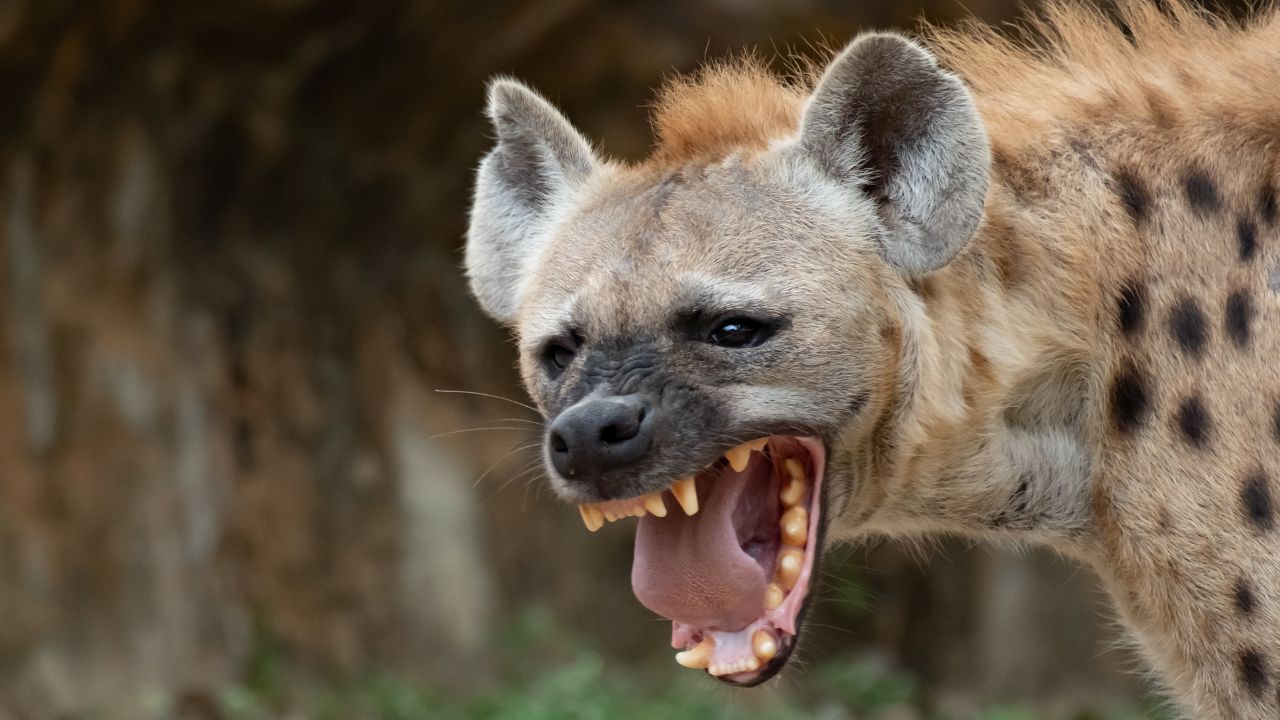


Discover The Truth About Hyenas: Intelligent, Social, And Excellent Hunters, They Break Old Myths Of Burlesque Scavengers. Learn More About Behavior, Hierarchy, And Conservation.
Contrary to what popular culture often portrays, hyenas are not just mediocre scavengers. Intelligent, social, and efficient hunters, they play a vital role in African ecosystems, challenging centuries of prejudice and negative legends.
“Whenever I tell someone I study hyenas, the immediate reaction is: yuck, how gross, why?”, says Arjun Dheer, a researcher at the Leibniz Institute for Zoo and Wildlife Research in Germany.
He tracks spotted hyenas in the Ngorongoro Crater in Tanzania and states that the bad reputation of these animals comes from ancient myths linked to witchcraft and folklore, which shaped human perception negatively.
-
Survivor of 1966 SS Daniel J. Morrell Shipwreck in Lake Huron Recounts 38-Hour Ordeal in Extreme Cold

-
The Greatest Hoax in World Cup History? The Film That Denied Brazil’s 1958 Victory and Exposed How Fake Evidence Can Seem Convincing on TV
-
Fake South Korean Online Stores Offer Shopping Thrill Without Spending Money or Receiving Products
-
The War of Jenkins’ Ear: How a Severed Ear Sparked One of the 18th Century’s Most Unusual Conflicts


Hyenas: Tradition Versus Reality
The history of hyenas in literature and popular culture is marked by exaggerations. Aristotle called the species a “great lover of rotting flesh,” while Hemingway described the animal as a “hermaphroditic cannibal devouring the dead.”
Roosevelt commented on their “singular mix of abject cowardice and extreme ferocity,” and Pliny the Elder even attributed magical powers to the animal.
To this day, productions like the movie The Lion King reinforce the view of hyenas as villains serving Scar.
However, the four species of hyenas — spotted hyena, brown hyena, striped hyena, and aardwolf — exhibit distinct behaviors and unique abilities.
Aardwolves, for example, live in monogamous pairs and feed on insects, while spotted hyenas are large prey hunters in complex clans.
Social Structure And Intelligence
Spotted hyenas form clans led by alpha females, consisting of subordinate females, males, and cubs.
The size of the group depends on food availability, ranging from 10 to 120 individuals.
“It is not possible to maintain so many social bonds without intelligence”, emphasizes Ingrid Wiesel, founder of the Brown Hyena Research Project in Namibia.
Clans demonstrate organization comparable to primates, with clear hierarchies, extended parental care, and cooperative hunting and territory defense strategies.
Breaking Myths About Hyenas
The “Laughter” Of Hyenas
The characteristic sound, confused with laughter, does not indicate happiness.
It serves for communication within the clan, recruiting individuals for confrontations or signaling hierarchical position.
“An animal of lower social hierarchy produces this sound when it is upset or stressed”, explains Dheer.
Are Hyenas Just Scavengers?
By no means. Studies show that spotted hyenas perform 53% of the hunts on carcasses shared with lions in the Serengeti.

Christine Drea from Duke University emphasizes: “Any self-respecting carnivore feeds on carrion if it has the chance”.
Resistance And Strength
Brown hyenas can cover up to 24 km a night in search of food, with streamlined bodies and limbs adapted for energy efficiency.
Their large lungs and hearts ensure endurance, and powerful jaws easily crush bones.
Smell And Pseudopenis
The smell associated with hyenas comes from the anal gland, used to mark territory, not dirt.
As for the pseudopenis of female spotted hyenas, it confuses observers, but plays a crucial social role: it reduces stress and strengthens bonds within the clan.
“They always outsmart their intelligence,” says Wiesel.
Conservation Of Hyenas
Despite their ecological importance, some species face risks. Striped and brown hyenas are nearly endangered due to habitat loss and hunting.

Populations are declining outside protected areas. “I’m not very optimistic about their future, especially in light of the negative public perception”, states Dheer.
Researchers are working to change this narrative, showing on social media that hyenas are complex, intelligent animals essential for the balance of African ecosystems.
Source: National Geographic





Bacana ! É lendo Q se informa e aprende.