






 Portuguese
  Spanish


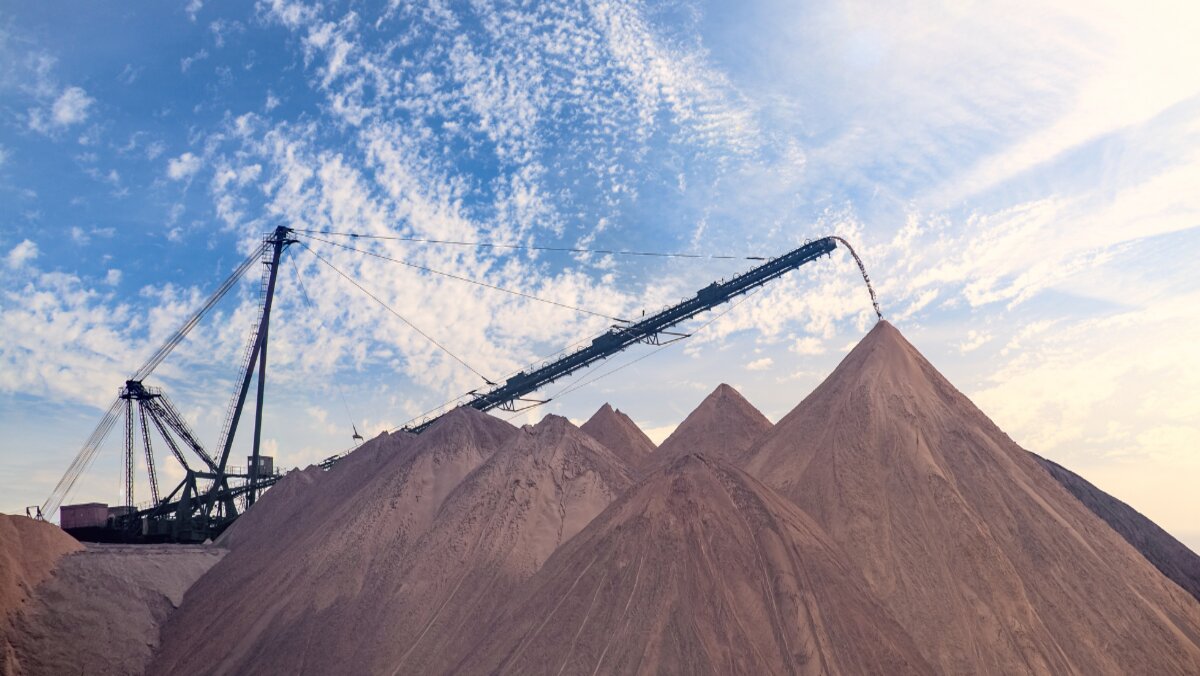

The Holding Dord Investimentos Now Turns Its Attention to the State of Sergipe and May Threaten the Livelihoods of Families in Rural Settlements with a Potash Mining Project That Could Be Implemented in the Sergipe Region by the Company
In a scenario of mining expansion across all areas of agrarian reform following a new norm from the National Institute of Colonization and Agrarian Reform (Incra), the holding Dord Investimentos continues to seek, this Thursday, (06/09) a potash mining project in the state of Sergipe. However, all the designated areas for mineral exploration are in rural settlements, and the families living in the region may be harmed by the potential ventures.
Dord Investimentos Now Seeks Areas for Potash Exploration in the State of Sergipe as Part of Its New Mining Expansion Project Nationwide
The holding Dord Investimentos has filed a protocol with the National Mining Agency (ANM) for a request for potash mining in the region of the municipality of Santo Amaro das Brotas in Sergipe. All of these areas are part of rural settlements, specifically the Settlement Projects (PAs) Olga Benário and Celso Furtado, along with a small portion of the PA Hugo Herédia, which is also located in the municipality region.
The company identifies itself as a holding, meaning a firm whose primary activity is to hold stakes in other companies, and is now seeking to expand in the Brazilian mining sector. This is because Dord Investimentos had not initiated any mining project until the year 2022, when it opened three processes with the ANM, all aimed at potash exploration in areas of rural settlements.
-
France Revamps 530 Social Housing Units with Large Balconies and Glass Facades Without Demolishing Existing Buildings

-
10-Year-Old Max Makes History with Paris Fashion Show, Launches Own Brand, Hires Staff, and Sets World Record as Youngest Runway Designer

-
Bolivian Female Construction Workers Form Association to Combat Discrimination and 38% Pay Gap in the Industry
-
Near Amsterdam, residents buy land and discover they must also build streets, manage drainage, handle waste, and grow food on half their plot.




All these areas are currently under significant pressure due to vegetation exploitation, and with the holding’s arrival in the region, there could be even more environmental impacts on the settlements. Although it was previously impossible to open mining projects in these locations, the new Incra norm has paved the way for such ventures.
Announced on January 3, 2022, the new regulation from the agency allows for the sale of areas originally designated for agrarian reform for mining ventures, energy generation, and infrastructure projects. According to research conducted by the website InfoAmazônia, this new norm could unlock over 20,000 requests in such areas for mining activities.
Demand for Potash Grows in Brazil, But Mining in Areas of Rural Settlements Could Endanger the Livelihoods of Families in These Regions
Potash is one of the main components of various types of fertilizers and is increasingly sought after in the domestic market. This occurs because the international market is quite unstable regarding the export of the product due to the conflicts between Russia and Ukraine, two major fertilizer exporters worldwide.
Thus, potash mining is becoming increasingly prominent in Brazilian territory, and projects in this segment have grown significantly in recent months.
However, according to Incra itself, the arrival of the holding Dord Investimentos and other companies in areas of rural settlements could jeopardize the livelihoods of families residing in the region. These areas are intended for human survival and should not be the focus of agribusiness and mining, given that they are used for family production aimed at food.
Therefore, Sabrina Diniz, director of the Brazilian Agrarian Reform Association (Abra), commented on the situation in Sergipe and warned: “These settlements are large areas of environmental protection, due to the very existential logic of the settled families. This is not the logic of large enterprises, mining, and agribusiness. Their logic is profit. In a country that is experiencing the advance of hunger, it would be essential for these people to have their right to produce food guaranteed.”








