






 Portuguese
  Spanish
  5 min of reading
  0 comments


The experience combined a low-cost studio apartment, sustainable construction, practical teaching, and compact living with a house prototype.
No mansion, no high investment, and no traditional classroom, a teacher living in a 22 m² house taught students to build a 9 m² studio apartment at a cost of US$ 2.8 thousand, an amount considered equivalent to R$10 thousand.
The information was published by The Sun, a British online general news newspaper. The case involves Deborah Naybor, an associate professor of environmental studies at Paul Smith’s College, a higher education institution in the United States.
The construction, however, requires careful reading. The project was an experimental studio apartment, without electricity and plumbing. Therefore, it should not be confused with a complete dwelling, ready for someone to live in permanently.
-
Largest bridge in São Paulo reaches 75% completion and is expected to strengthen strategic connection in the interior of São Paulo.

-
Without her own home and pressured by rent, a 25-year-old bought a small 15-meter boat, gradually renovated the interior by herself, transformed the interior with paint, new flooring, a larger bathroom, and started living on the canals, paying much less per month.

-
Tired of seeing families sleeping on the street, São Paulo delivered 18 m² furnished microhouses and took 888 people off the streets: Vila Reencontro became the model social housing for the homeless population.
-
The hydroelectric plants on the Madeira River, like Jirau, came for the energy, but now the drought wave has reduced artisanal fishing by 39% and emptied the tables of the riverside communities in the Amazon.


Teacher living in 22 m² brought compact living to the classroom
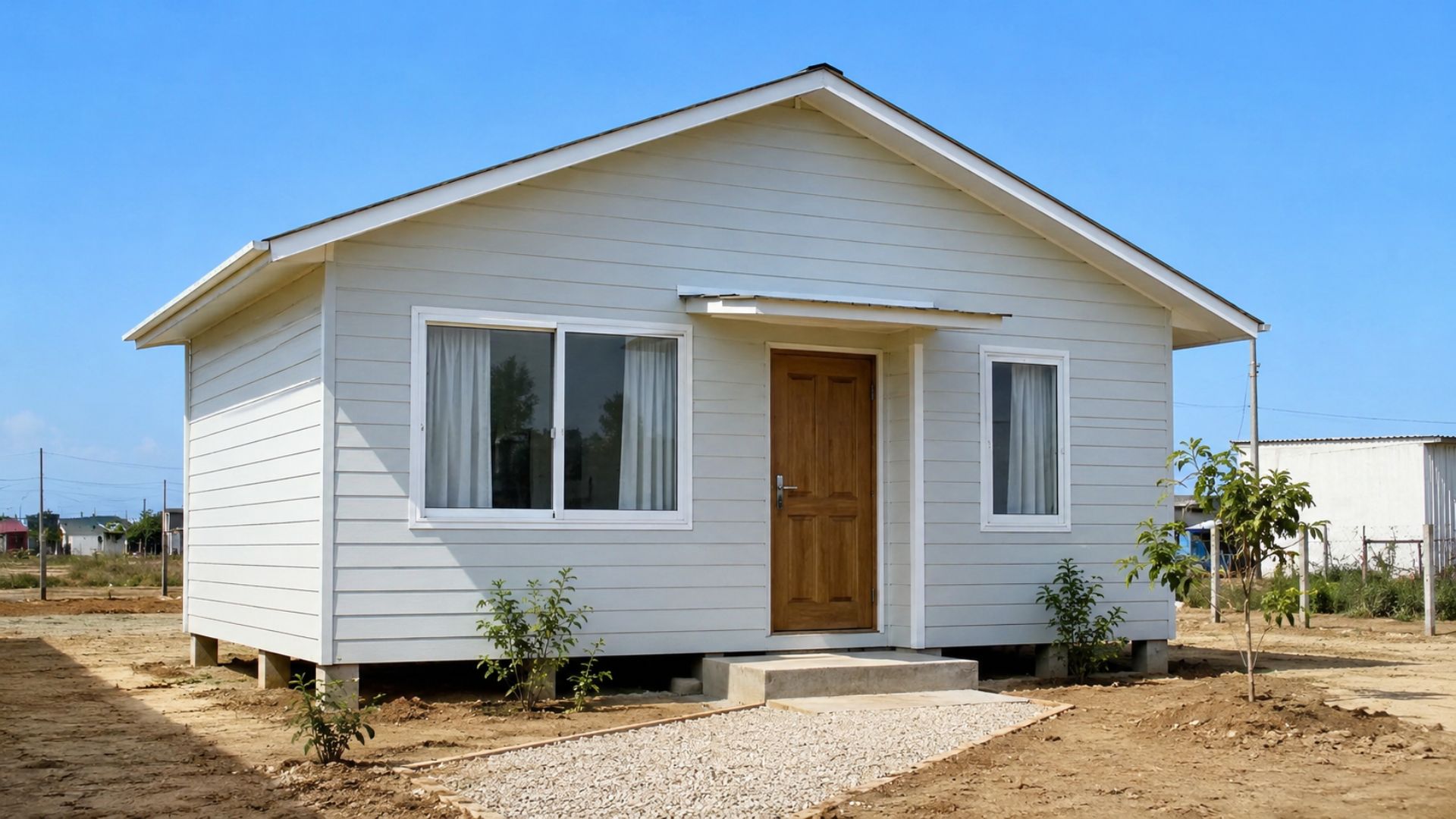
Deborah Naybor lives in a compact house of about 22 m². The idea becomes clearer when treated as a small studio apartment, with maximum use of every corner.
This personal experience became part of the teaching. Instead of talking about sustainable construction only in theory, the teacher brought students closer to a real construction site, with wood, tools, measurements, and practical decisions.
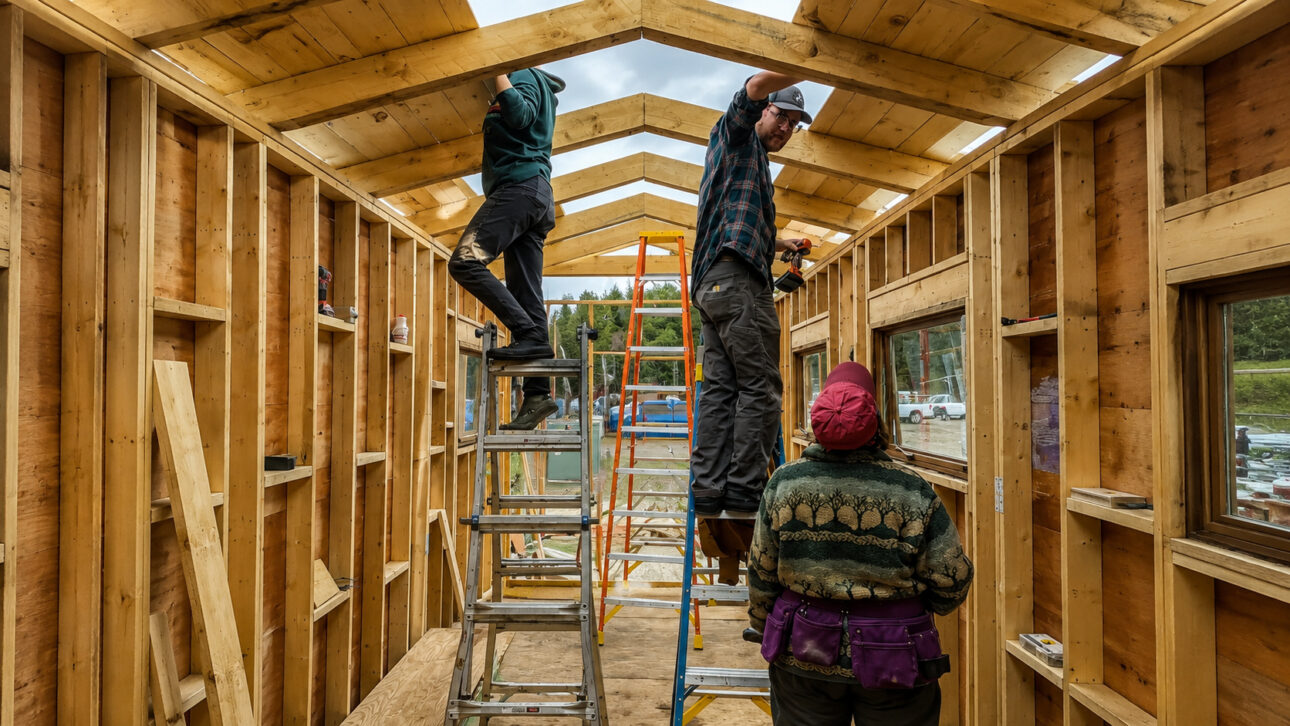
The strongest point of the story is in this change of environment. The classroom ceased to be just a space for explanation and became a place of direct learning, where students could see how a compact dwelling begins to take shape.
This type of project helps to understand that a small house is not simple just because it has little area. In a 9 m² studio apartment, every choice weighs more, because bed, kitchen area, seating, and storage need to fit in a single space.
Six students built an experimental 9 m² studio apartment in three months
The group formed by six students built a structure of 96 square feet, about 9 square meters, in three months. The work was part of a practical teaching proposal linked to sustainability.
The experimental studio was made to test possibilities of small, cheap, and off-grid construction. Off-grid means operating without relying on common systems, such as electricity connected to the public grid or traditional plumbing.
In the prototype, this idea appeared in a limited way. The structure had no electricity or plumbing. Therefore, the project served as a study base, not as a complete house for immediate living.
Even so, the result showed the students important stages of a construction project. They worked with space division, custom furniture, and material utilization, essential points when the available area is very limited.
The cost of US$ 2.8 thousand shows the limit between cheap prototype and ready house
The information was released by The Sun, a British general news online newspaper. The construction cost was US$ 2.8 thousand in materials, a value presented in the title as equivalent to R$10 thousand.
This number draws attention but needs to be understood carefully. The value does not represent a complete studio with bathroom, ready kitchen, electricity, water, and all necessary items for living.
The structure had a room with space for a single bed, a small kitchen area, seating, and storage. Reused doors and windows were included in the project, as well as part of the wood available on campus.
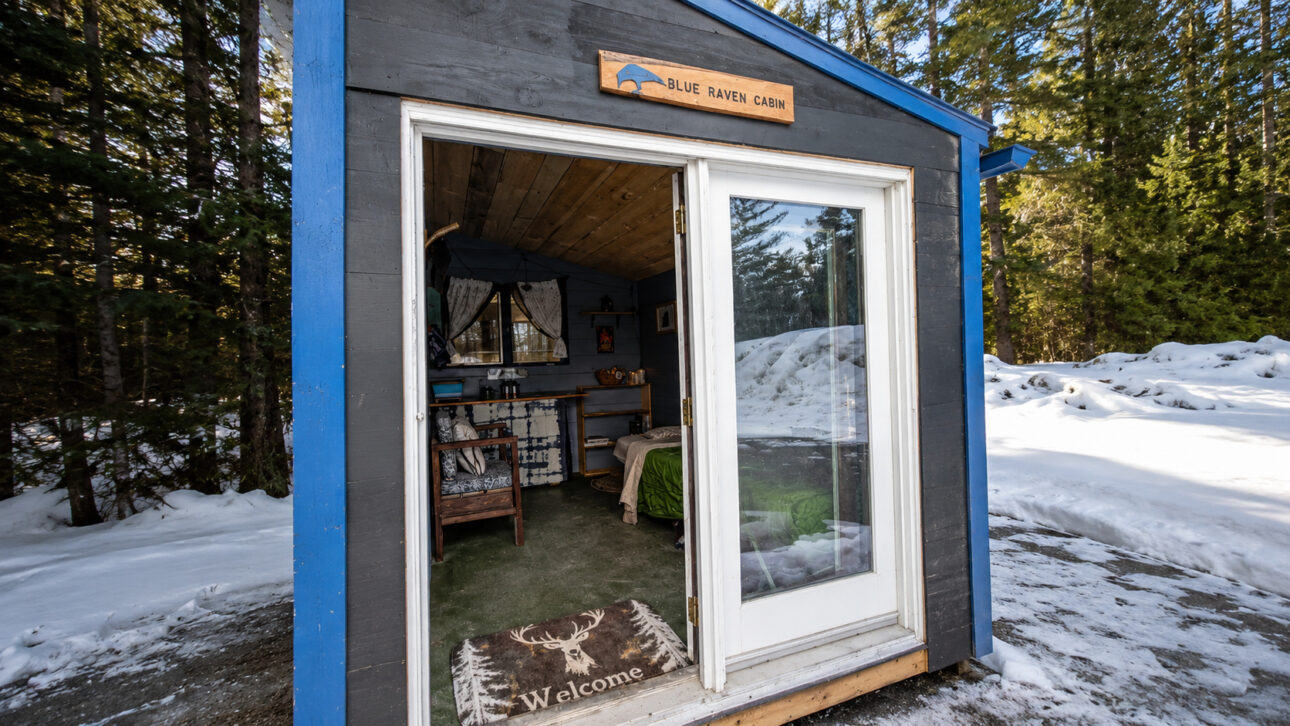
The savings came from simple choices and the use of reused material. Even so, a real dwelling requires more stages, more systems, and local regulations, especially when it involves safety, land, bathroom, and installations.
Why calling it a studio helps the Brazilian reader understand better
The foreign term used outside Brazil is tiny house and usually refers to very small houses. For the Brazilian reader, the simplest comparison is with a studio or compact house.
Even so, there is an important difference. In Brazil, the word studio usually conveys the idea of a small but habitable space, with a bathroom and basic structure for living.
In the case of students, the safest word is experimental kitchenette. It helps explain the size and shape but makes it clear that the project was not ready for permanent use.
This distinction avoids confusion. The case does not prove that anyone can live with everything ready in 9 m² for R$10,000. It shows that a small structure can be built for learning, testing, and studying compact living.
Sustainable construction appears in practice, not just in discourse
Deborah Naybor’s experience shows how sustainable construction can be taught with practical activity. The students were not just listening to concepts. They participated in the creation of a real structure.
Sustainability appeared in simple decisions, such as reducing the size of the construction, reusing doors and windows, and using wood available near the construction site. For the student, this transforms an abstract idea into something visible.
The project also helps discuss the cost of housing. A smaller house may use less material, but this does not eliminate all challenges. Land, usage rules, bathroom, water, and energy remain important parts of any housing.
Therefore, the experimental kitchenette works better as a teaching tool. It shows possible paths but does not promise an easy solution to a complex problem.
The 9 m² prototype teaches more about choices than about luxury
The construction made by the students reinforces a simple idea: living compactly requires choice. In an area of 9 m², there is no room for excess, and every meter needs to have a function.
The project also shows that learning in construction can be more efficient when students deal with real measurements, real costs, and real limitations. This experience helps better understand what a construction requires.
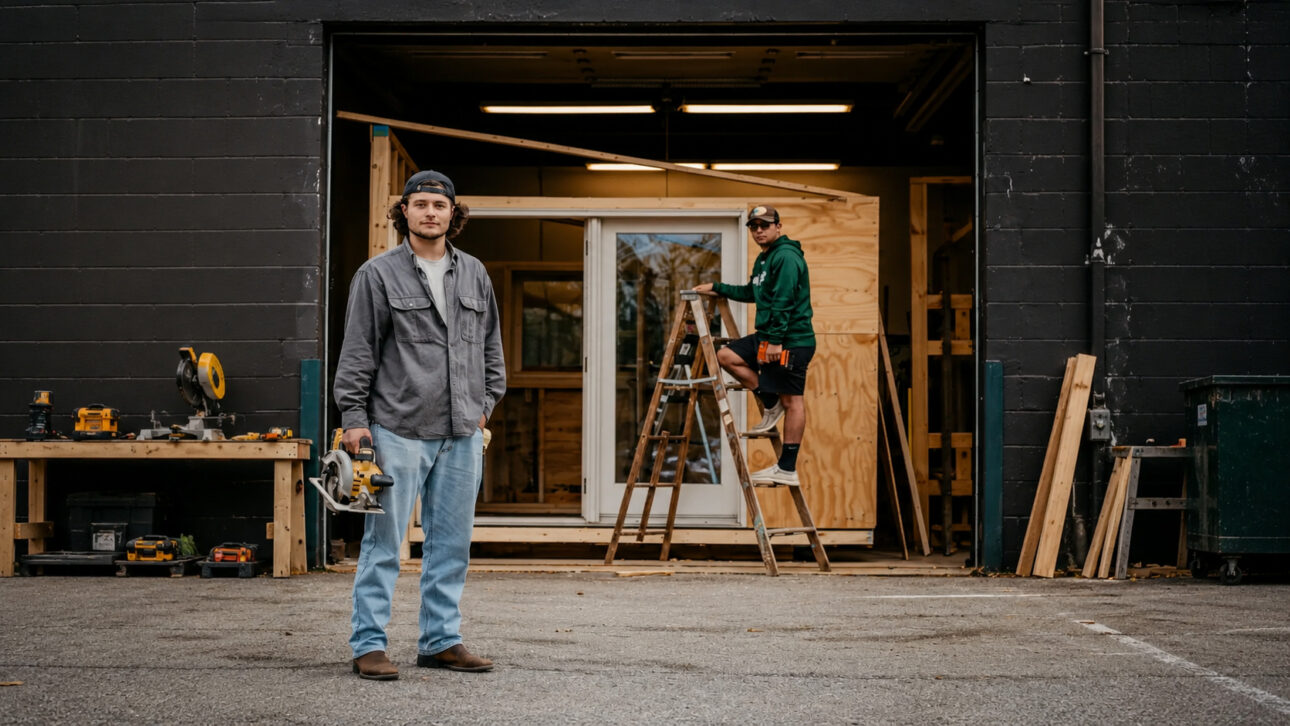
Deborah Naybor used her own experience in a 22 m² house to show students that compact housing is not just a trend. It is also a way to study cost, space, sustainability, and autonomy.
The impact of the case is less on the size of the kitchenette and more on the teaching method. The small construction became a complete lesson on planning, economy, and responsibility.
A 9 m² Studio Apartment That Became a Lesson on Cost, Space, and Reality
The story of the teacher living in 22 m² who guided students in building an experimental 9 m² studio apartment shows how education can move from theory to the construction site. The project cost US$ 2,800, was completed in three months, and involved six students.
The main concern is understanding the prototype’s limitations. It was not a complete house, as it lacked electricity and plumbing. Nevertheless, it helped students see how a small construction can teach about cost, sustainability, and intelligent use of space.
Would you live in a compact house if it were well-planned, or do you believe such projects are better suited as study and emergency solutions? Share your opinion and share with those who like sustainable construction.






Be the first to react!