






 Portuguese
  Spanish
  5 min of reading
  0 comments


Oosterwold, in Almere, shows an unusual way of thinking about home ownership, because it combines alternative housing, urban agriculture, streets made by residents, and collective responsibility in a planned area near Amsterdam
In the Netherlands, residents buy land in Oosterwold, a city near Amsterdam, and encounter a very different rule from the usual purchase of a plot: in addition to planning their own house, they also need to deal with streets, drainage, waste, and food production.
The information was released by MVRDV, an architecture and urban planning firm from the Netherlands. The strategy of Almere Oosterwold involves an area of 43 km² and is linked to the year 2011, with implementation in Oosterwold, in Almere.
The idea draws attention because it changes the concept of home ownership. The resident gains the freedom to build, but this freedom comes along with collective responsibility for the neighborhood where they will live.
-
Brazil’s WEG to Open New Factory in China by 2027, Expanding Production of Large Rotating Electric Machines and Low to Medium Voltage Motors in Rugao

-
Chinese Shipyard Secures $1 Billion in Orders for Low-Carbon Container Ships Amid Global Fleet Renewal Efforts
-
Brazilian Planned Community Provides Housing for Over 420 Formerly Homeless, Aims to Reach 1,900 Residents
-
Minneapolis Warehouse Transformed into Village of 100 Tiny Homes, Helping 851 Homeless People and Securing Permanent Housing for 343


A neighborhood where buying land does not mean receiving everything ready
In many developments, a person buys the land and expects to find streets, basic networks, drainage, and rules already organized. In Oosterwold, the logic is different.
The resident can design their own house, but also participates in shaping the surroundings. This includes paths, green areas, water storage, waste collection, energy, and urban agriculture.
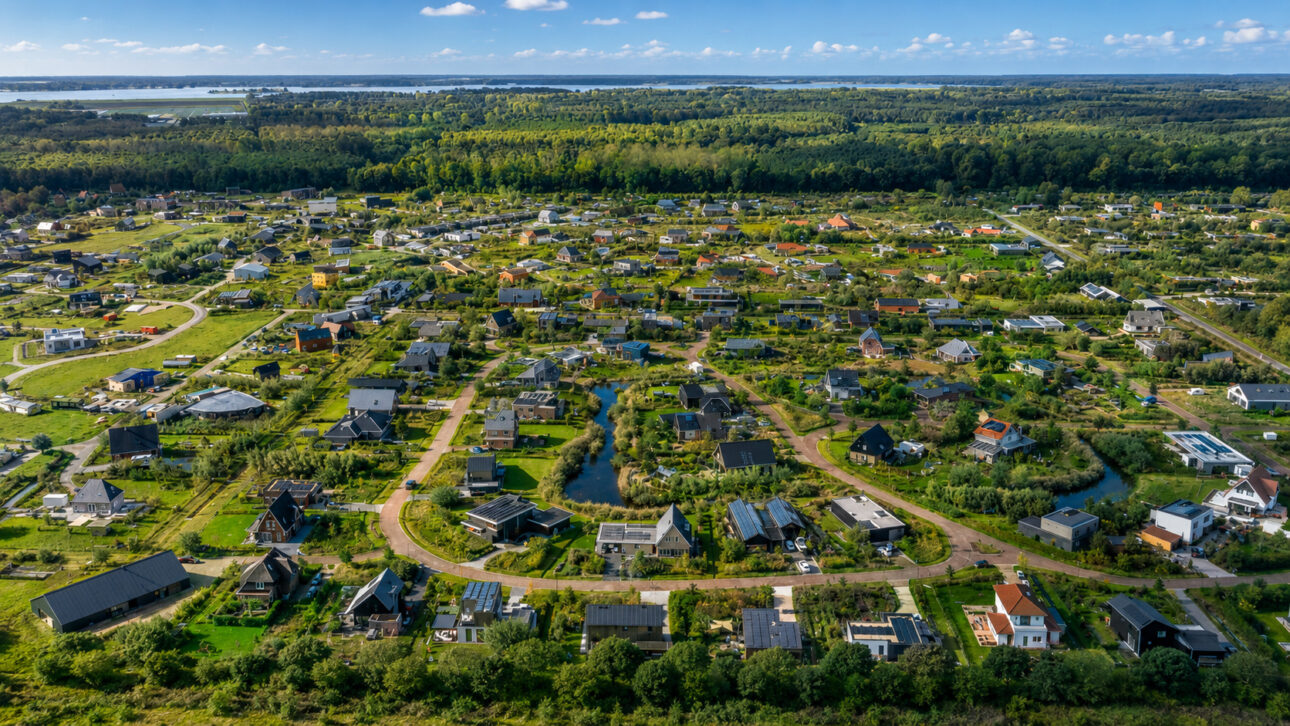
To understand simply, Oosterwold functions as a neighborhood where the house is not separated from the rest of the structure. Those who choose to live there also need to think about what makes the neighborhood work.
Alternative housing with the freedom to build and the obligation to take care of the infrastructure
The Oosterwold proposal gives each resident the freedom to create their own home. This allows for different houses, plots with varied uses, and a less standardized design than seen in many common neighborhoods.
But this freedom does not eliminate responsibilities. A person can develop their own plot, but they also need to make necessary parts of the neighborhood viable, such as a section of road, energy, sanitation, waste collection, public green area, and urban agriculture.
Sanitation is the set of care with water, sewage, and hygiene of the place. Drainage is the way to channel rainwater to avoid accumulation, mud, and access problems.
The rule that most draws attention requires the resident to plant food on their own plot
The Guardian, a British newspaper with an environmental editorial, recorded the Oosterwold rule that requires food production on at least 50% of the property. This point makes the neighborhood a curious case for those thinking about city, housing, and sustainability.
Urban agriculture is the planting of food within the city or in areas close to urban life. In Oosterwold, it does not appear just as a beautiful garden or green detail.
The rule gives the plot another function. Besides housing the home, an important part of the land needs to produce food. Therefore, the housing is directly linked to land use in a more direct way.
The overall design separates construction, streets, green, water, and urban agriculture
The Almere Oosterwold strategy works with a clear division of the area to maintain the rural character of the place. The organization foresees 18% for construction, 8% for roads, 13% for public green, 2% for water, and 59% for urban agriculture.
These percentages show why the neighborhood deviates from the traditional model. Most of the area is not focused on houses or streets, but on food production.
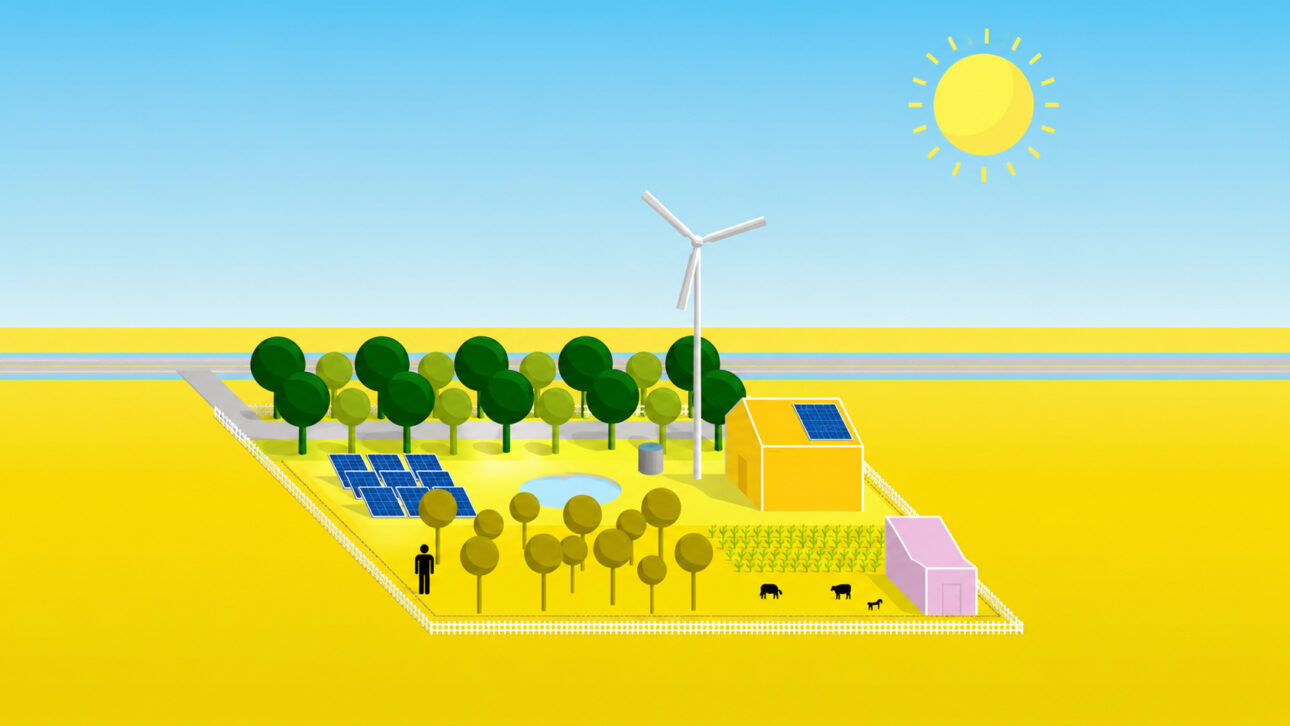
The number 50% is linked to the requirement of planting within the property. The 59% indicates the portion of the general area destined for urban agriculture. Both data help to understand the strength of food production in the project.
Oosterwold is not a common condominium nor a Brazilian urban farm
Oosterwold may resemble a farm condominium, but the comparison requires caution. In many condominiums, the internal roads, infrastructure, and usage rules are already prepared for the buyer.
In Oosterwold, the resident participates more in the creation of the neighborhood. This changes the relationship with the land because living there involves decisions that go beyond just owning a house to include collective infrastructure.
The difference lies in the weight of responsibility. The buyer does not just enter as the owner of a private area. They become part of a model where the neighborhood depends on the actions of the residents themselves.
What this experience near Amsterdam makes Brazil think about cities
Brazil does not need to copy Oosterwold to learn lessons from the case. The experience helps to think about how streets, drainage, waste, green areas, and food can be included in planning before the neighborhood grows in a disorganized way.
In many Brazilian cities, the problem arises when houses appear before basic infrastructure. Later, residents face poor roads, stagnant water, lack of green areas, and distant services.
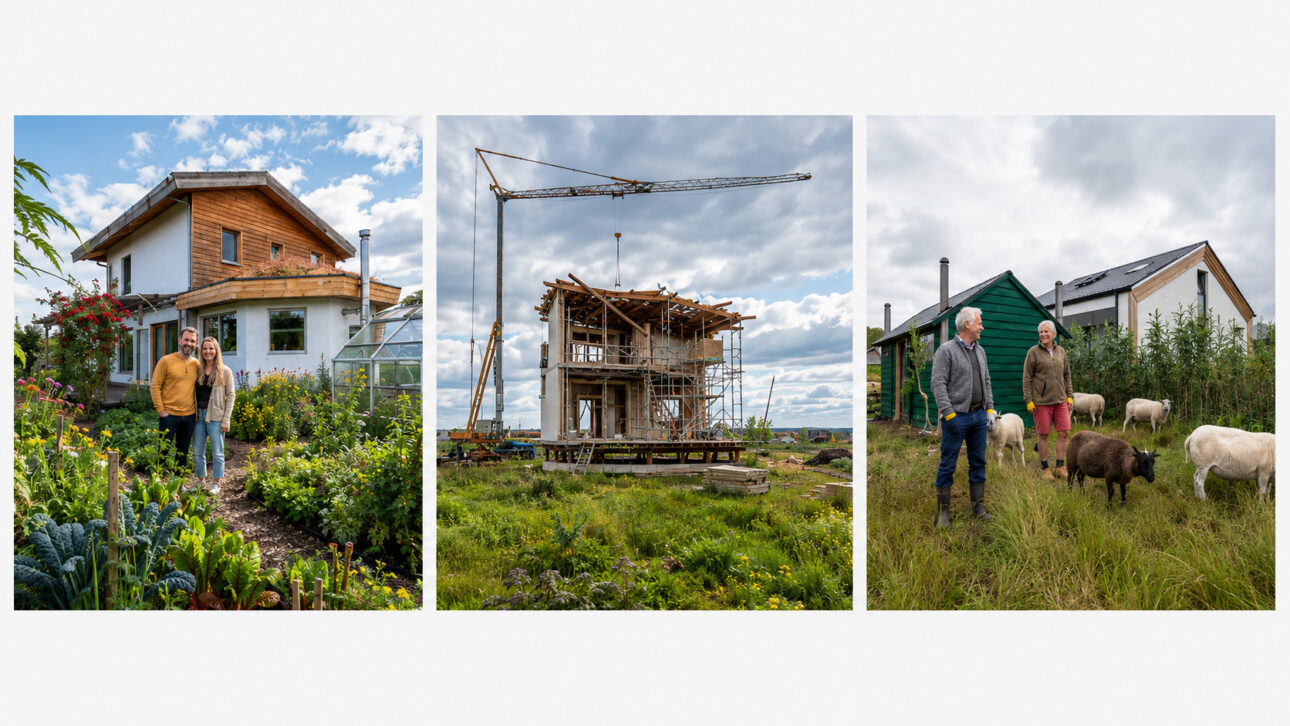
Oosterwold presents a simple and important discussion: the freedom to build can work better when accompanied by clear rules and participation from those who will live there.
The case of Oosterwold, in Almere, shows an unusual way of combining home ownership, urban agriculture, and infrastructure made with resident participation. The person gains the freedom to plan the house but takes on a larger part of the collective life.
The Dutch experience is not a ready-made recipe for Brazil. Even so, it provokes reflection on neighborhoods that could be born with more care for water, streets, waste, green areas, and food production.
Would you live in a neighborhood where you would have the freedom to build your house, but also need to help build the surrounding infrastructure and plant food on the lot? Comment and share.





Be the first to react!