Portuguese
  Spanish




Honda’s Compact Automatic Stands Out for Fuel Efficiency, Durability, and Interior Space, Maintaining Strong Demand in the Used Car Market. Model Combines CVT Transmission, 1.4 Engine, and a Reputation for Reliability Among “Unbreakable” Cars.
The Honda Fit entered the Brazilian market in 2003 with the goal of combining minivan practicality and hatchback dimensions, quickly earning a reputation for robustness.
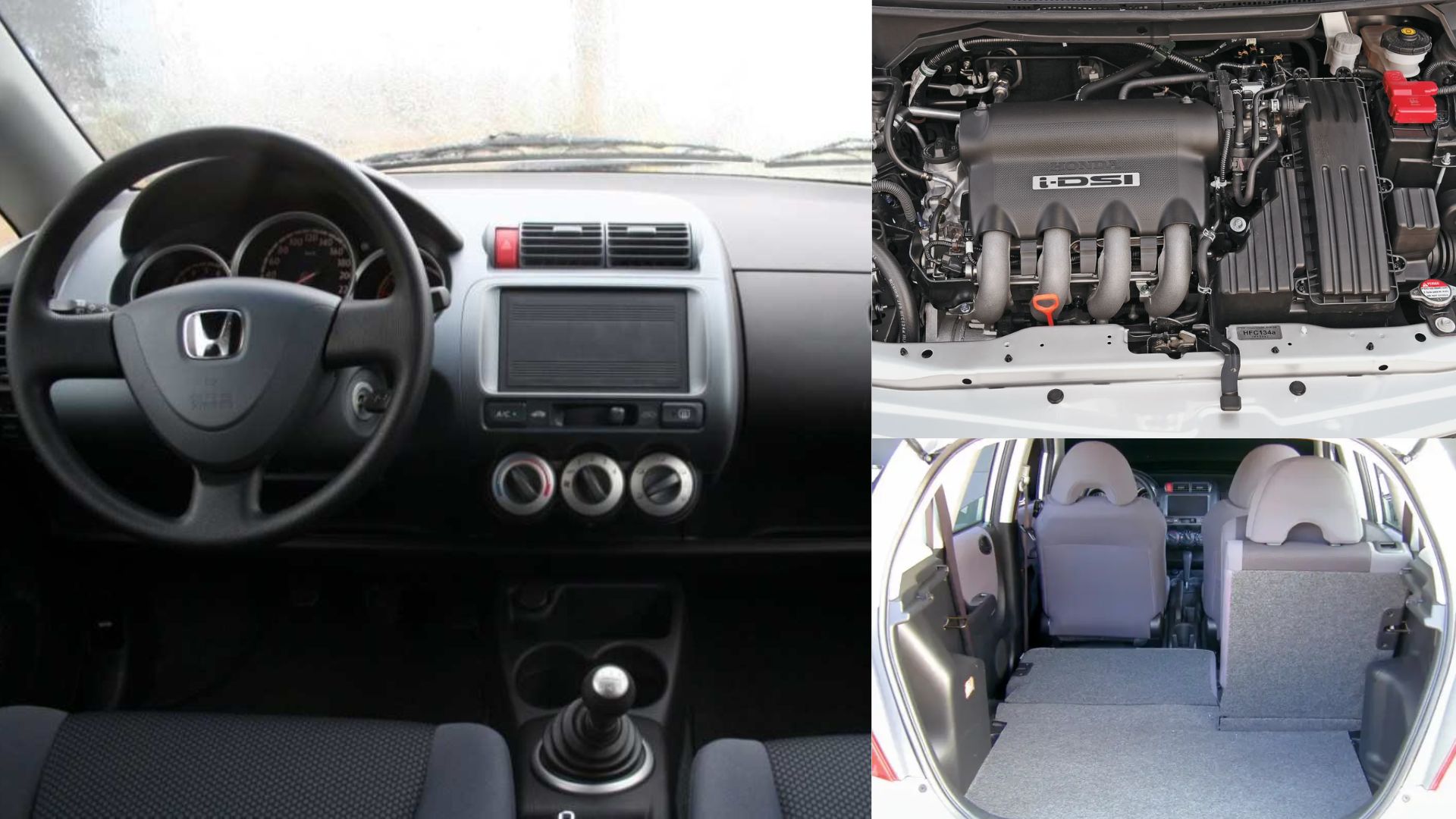
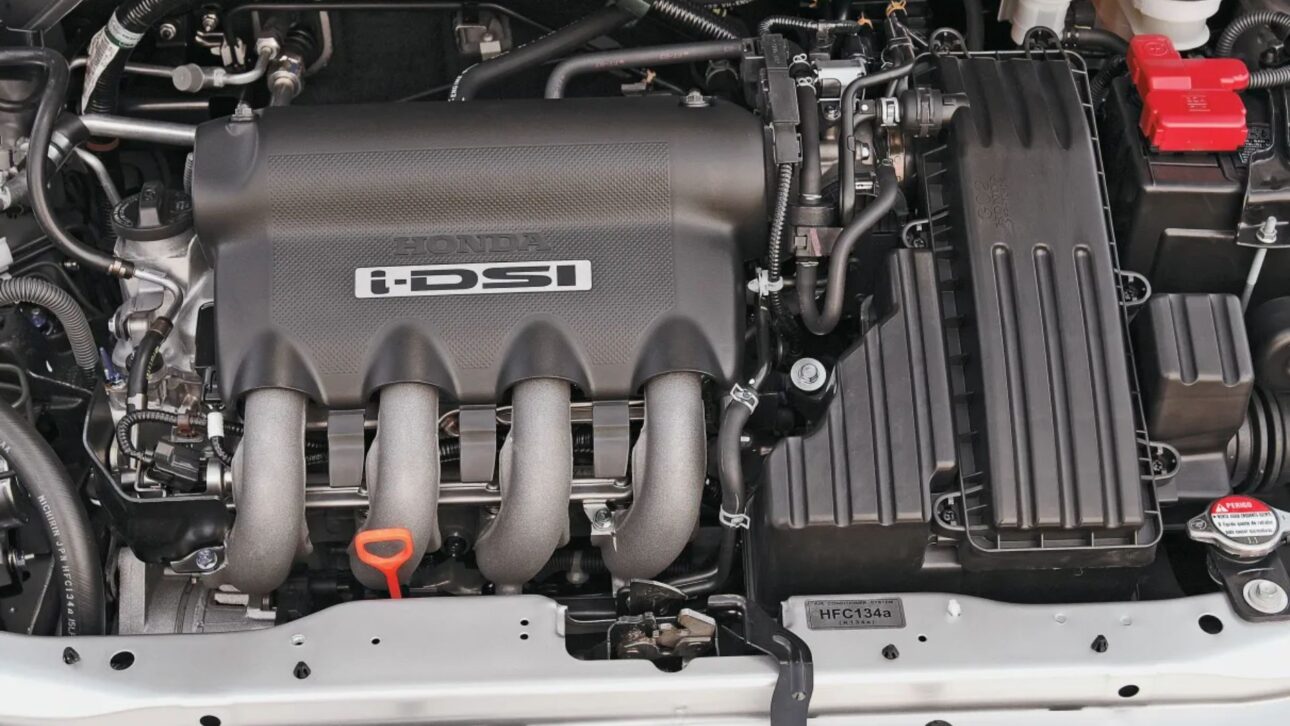
The first generation arrived with the 1.4 i-DSI engine and an option for CVT transmission, a package that emphasizes smoothness and low fuel consumption.
In recent listings, it’s possible to find units priced around R$ 27,9 thousand, a price range that places it among the most affordable automatics in the country.
-
Chevrolet’s Parent Company to Invest Billions in Brazil to Modernize Factories, Update Cars, and Accelerate Hybrid Launch by 2028

-
Practical Driving Tests in Brazil Surge by 23.5%, Exceeding 2.2 Million by 2026, as New Rules Make the Process Cheaper and Simpler
-
Brazil’s Lula Government Allocates $463 Million Quota for Electric Car Parts, Waives Import Tax Until December, Sparking Competition Among BYD, Automakers, and Unions as Consumers Question Impact on Prices and Local Industry

-
Thinking of Installing LED Headlights? Why Replacing Halogen Bulbs is Still Banned, the Glare Risks Authorities Worry About, and How a New Proposal Could Allow Certified, Safe Installations


Launch and Efficient Mechanical Package
Produced in Brazil starting in April 2003, the Fit opened the range with an 1.4-liter eight-valve engine paired with CVT, in addition to manual versions.
The engine delivers 83 hp on ethanol and about 80 hp on gasoline, with torque close to 12 kgfm, figures that are adequate for urban use when combined with the model’s lightweight and the low-rpm delivery typical of the i-DSI system.
The continuously variable transmission was a differentiator among compact cars at the time, favoring linear acceleration and fuel economy.
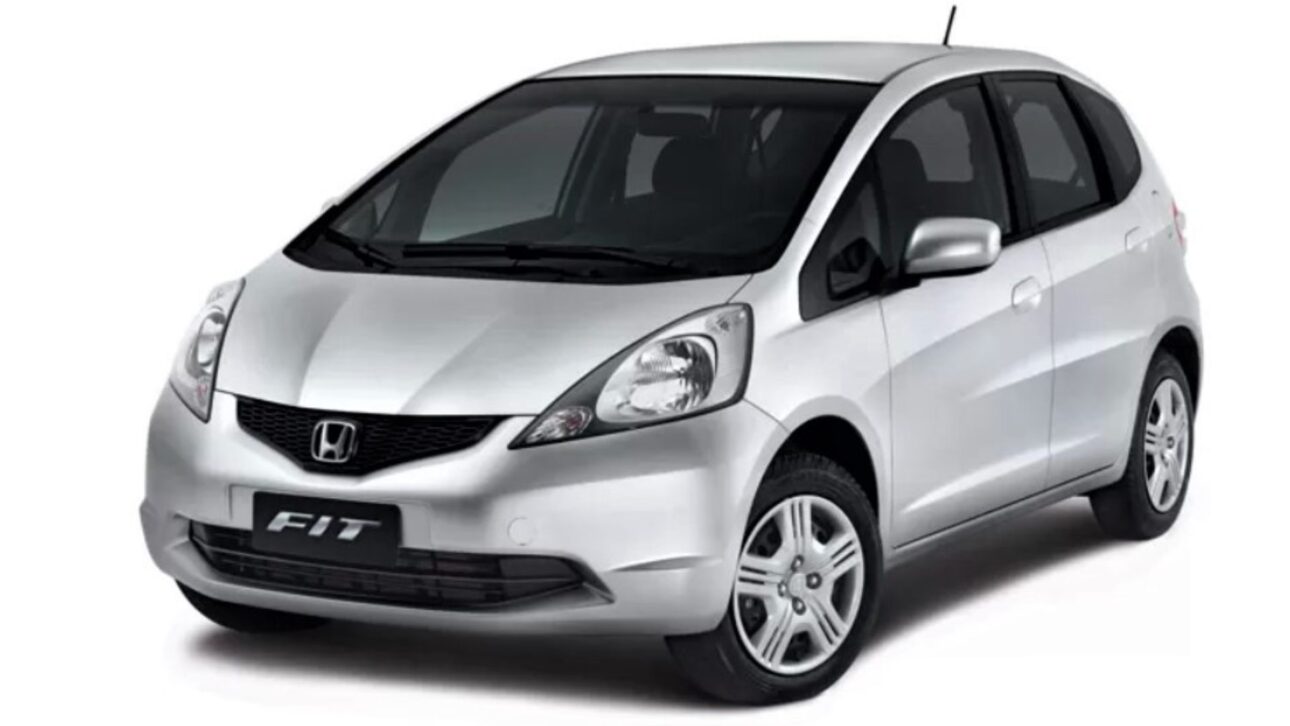
Although power varies depending on fuel and year, the perception that “drives sufficiently and consumes little” has remained.
In measurements and reports from that time, the Fit 1.4 recorded something close to 10 km/l in the city and up to 16 km/l on the highway with gasoline.
With ethanol, it is common to see figures around 7 km/l in urban cycles and 11 km/l on the highway.
In real-world use, many owners report averages around 11 km/l in the city, a figure that aligns with the efficiency proposal of the package.
Interior Space and Versatility with the Magic Seat
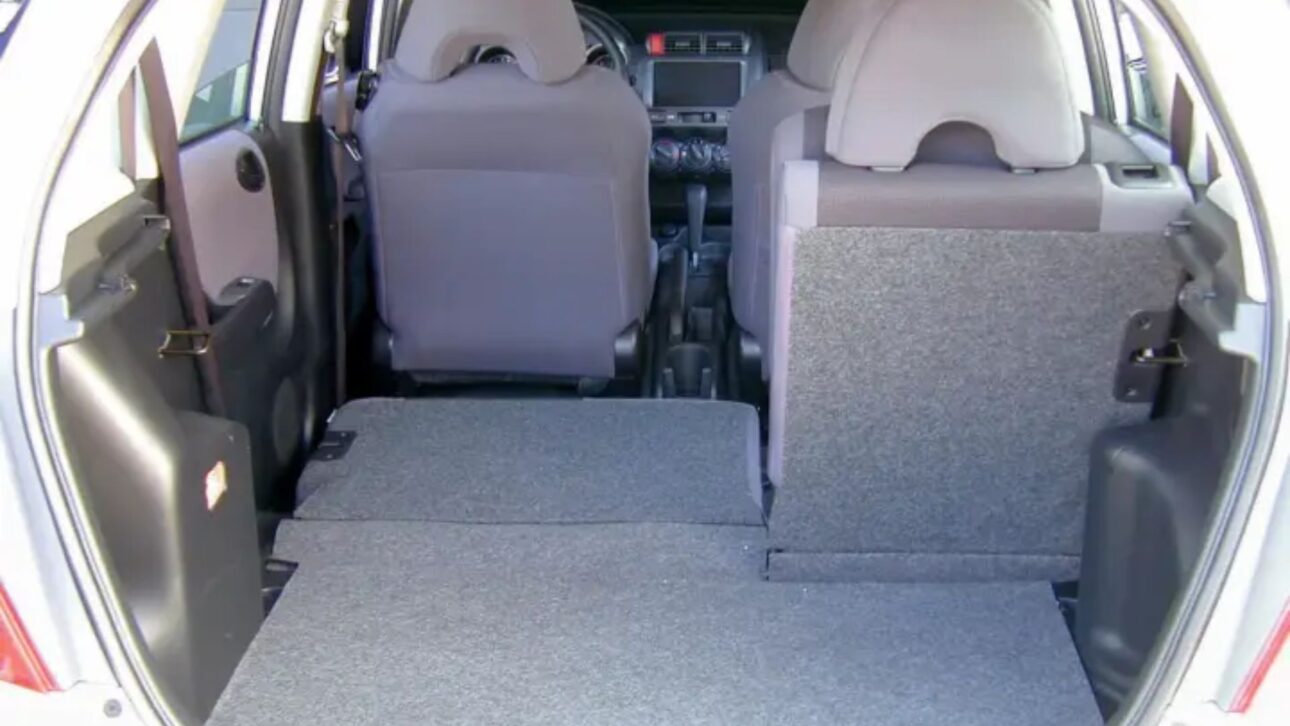
Part of the Fit’s success among used cars comes from its space utilization.
The cabin comfortably accommodates four adults and the trunk is spacious for its size.
The highlight, however, is the modular seat system Magic Seat, which allows for different arrangements to transport tall or long items or simply to expand the trunk space.
This solution, present since the first generation, has established the model in everyday tasks and on trips, without compromising ergonomics or visibility.
Light Handling and Predictable Maintenance
Behind the wheel, the Fit provides precise steering with electric assistance, a good turning diameter, and a suspension tuned to absorb irregularities without discomfort.
The body is taller than conventional hatchbacks, making access and driving position easier.
In terms of maintenance, the history favors the wallet: routine items are shared with a large volume of units on the market, and the mechanics are often praised for their durability when maintenance is respected.
This combination helps explain the “unbreakable” reputation that has accompanied the model for years.
The most frequently noted point of attention is the CVT transmission fluid.
Following the maintenance plan with an approved product is a common practice among shops and dealerships since periodic oil renewal reduces wear and preserves the functioning of the entire unit.
The recommendation is to use Honda’s specific fluid for CVT, such as HCF-2, in the applications indicated by the manufacturer, and to perform the change following the proper procedure.
Prices and Availability in the Used Market
On major classified portals, the first generation appears with good availability and a wide range of prices depending on condition, mileage, version, and history.
There are specific listings starting from R$ 27,900 for 2004 and 2005 models, while most offers are concentrated above R$ 30 thousand.
The automatic version usually has superior liquidity due to the combination of comfort and economy, especially in capital cities.
As with any purchase of a vehicle with two decades of use, thorough inspection and checking of provenance make a difference in the final deal.
Real Consumption and Balanced Performance

In urban everyday life, averages of around 10 to 11 km/l with gasoline are achievable under normal traffic and maintenance conditions.
On highways, it is common to see the gauge exceed 14 km/l, reaching higher figures at a constant pace and without heavy loads.
With ethanol, reference data drops to about 7 km/l in the city and 11 km/l on the highway, always subject to variations in topography, fuel, and tires.
For those calculating cost per kilometer, these numbers place the Fit among the most economical automatics of the period.
What to Check Before Buying
In addition to the CVT fluid, it’s worth checking for any noises in the transmission during starts or accelerations, potential atypical jolts, and the history of exchanges.
Checking suspension bushings, the condition of belts, cooling, and any leaks is also prudent in cars older than 15 years.
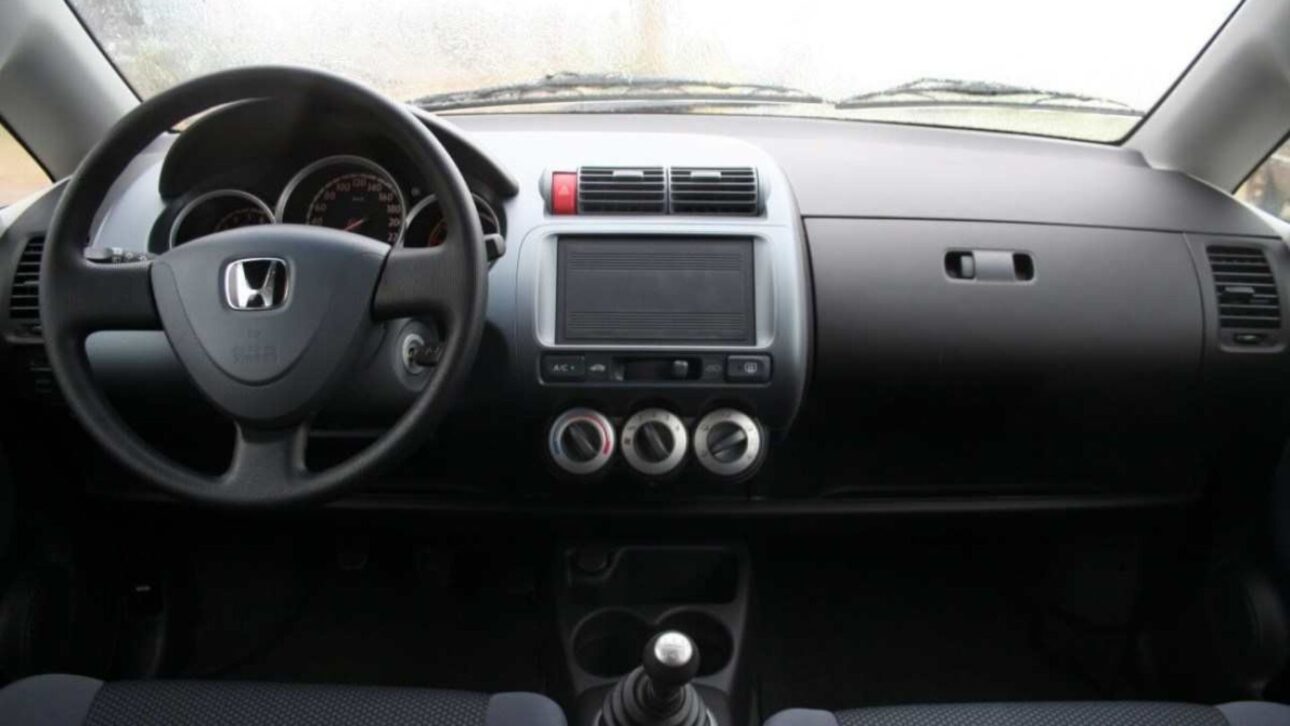
Inside, observe the operation of the Magic Seat and the condition of seat latches, as heavy use of the configurations may require minor adjustments.
A scanner for reading modules and a complete road test help avoid headaches.
Ideal Buyer Profile
The most catered profile is that of someone looking for a reliable, economical automatic car primarily for city driving, with surprising space for the category.
The predictable behavior of the CVT, the contained consumption, and the ergonomics favor drivers who prioritize comfort and cost of use.
Even with its age, the availability of parts and the service network help keep the car in order, as long as preventive maintenance is respected and the pre-purchase evaluation is rigorous.
With this combination, the first-generation Honda Fit remains a reference among used automatics in Brazil.
Given the current price scenario and the reputation for low defect rates, the question that remains for anyone looking for a practical and affordable car is straightforward: could your next automatic be a Fit 1.4 CVT?