Portuguese
  Spanish


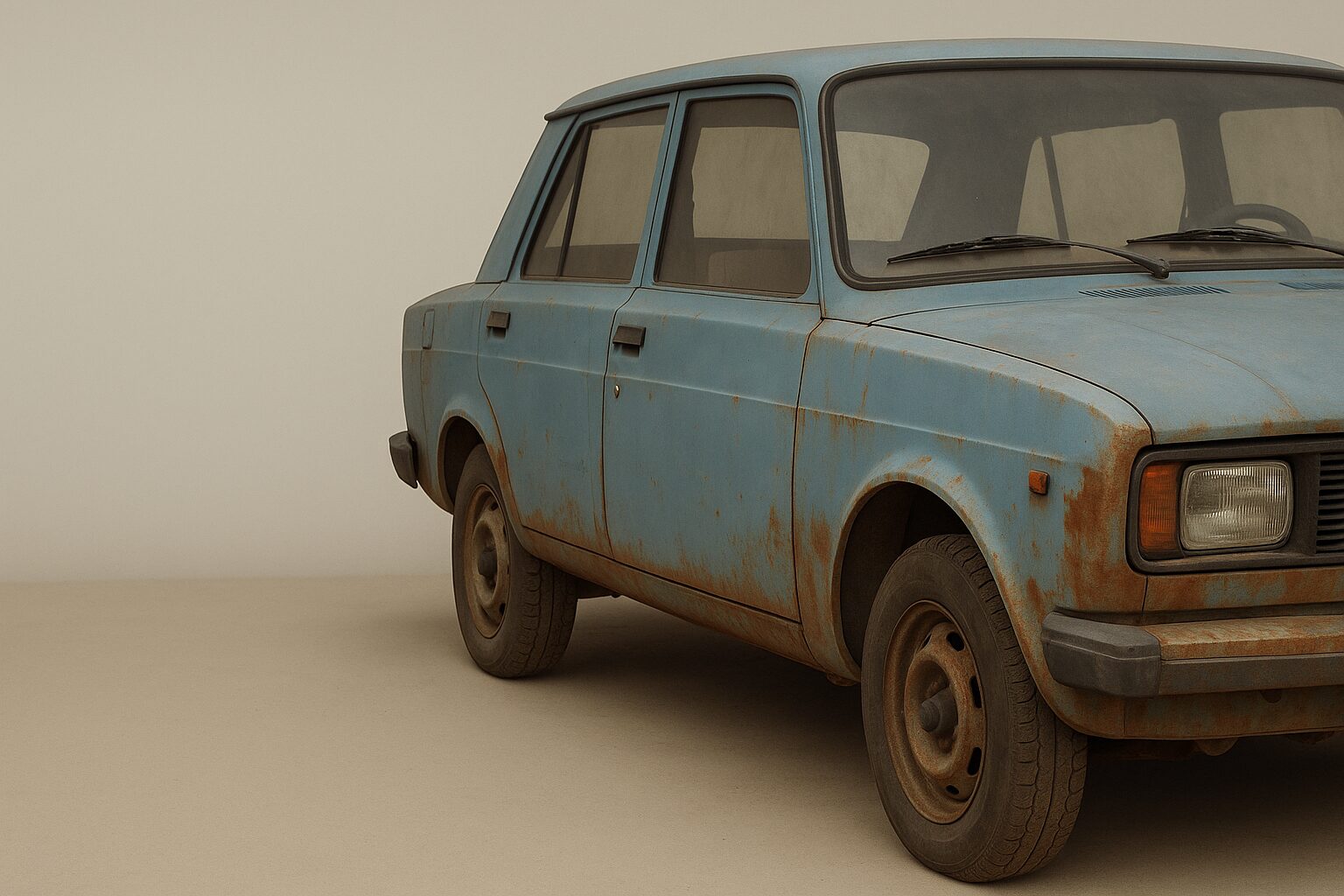

Expensive Maintenance, Severe Rust, and Engine Failure Are Alerts That Your Old Car May Have Reached The End. Evaluating The Signs Helps To Avoid Losses And Frustrations.
Your old car has been part of many stories. It helped you get to work, took your family on trips, and faced traffic jams, potholes, and even heavy rains.
But like everything, it also has an end. Identifying that moment can prevent headaches, losses, and a lot of frustration.
In this article, we present five clear signs that it might be time to say goodbye to your old car — with simple and direct explanations to help in the decision.
-
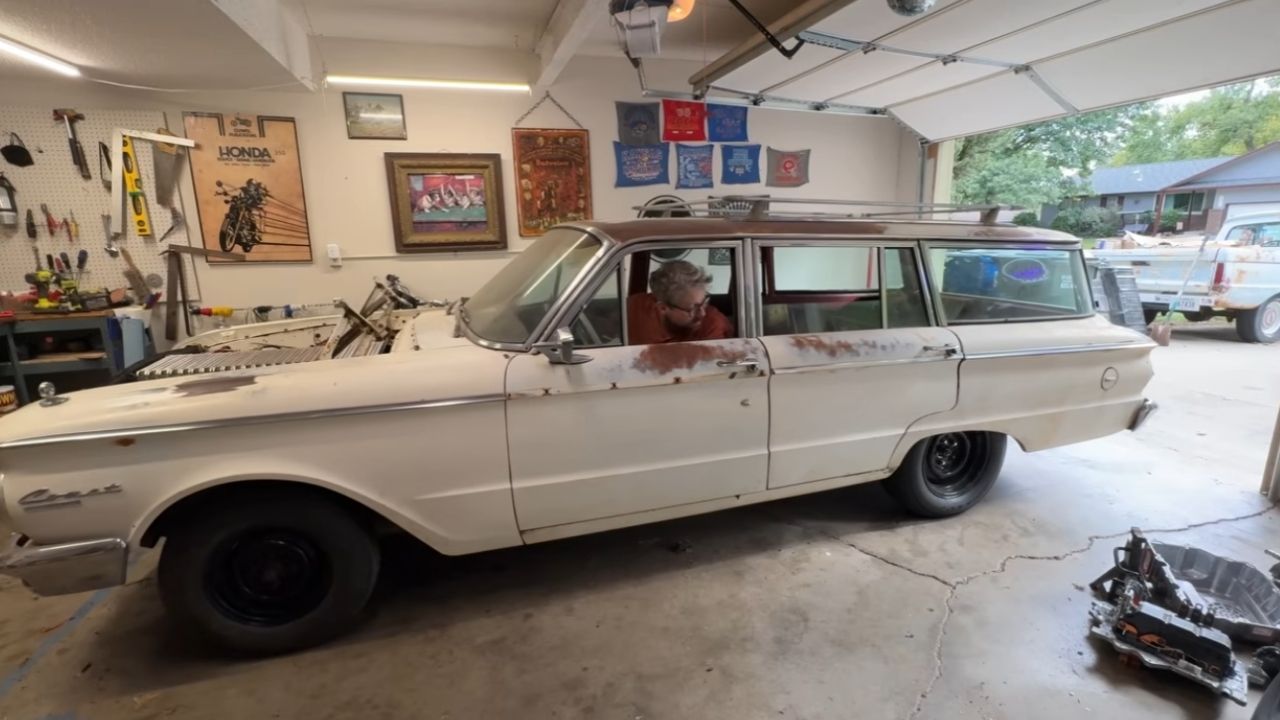
Man Revives 1962 Mercury Comet with Parts from a Damaged Nissan Leaf, Achieving Electric Conversion for Under $6,000

-
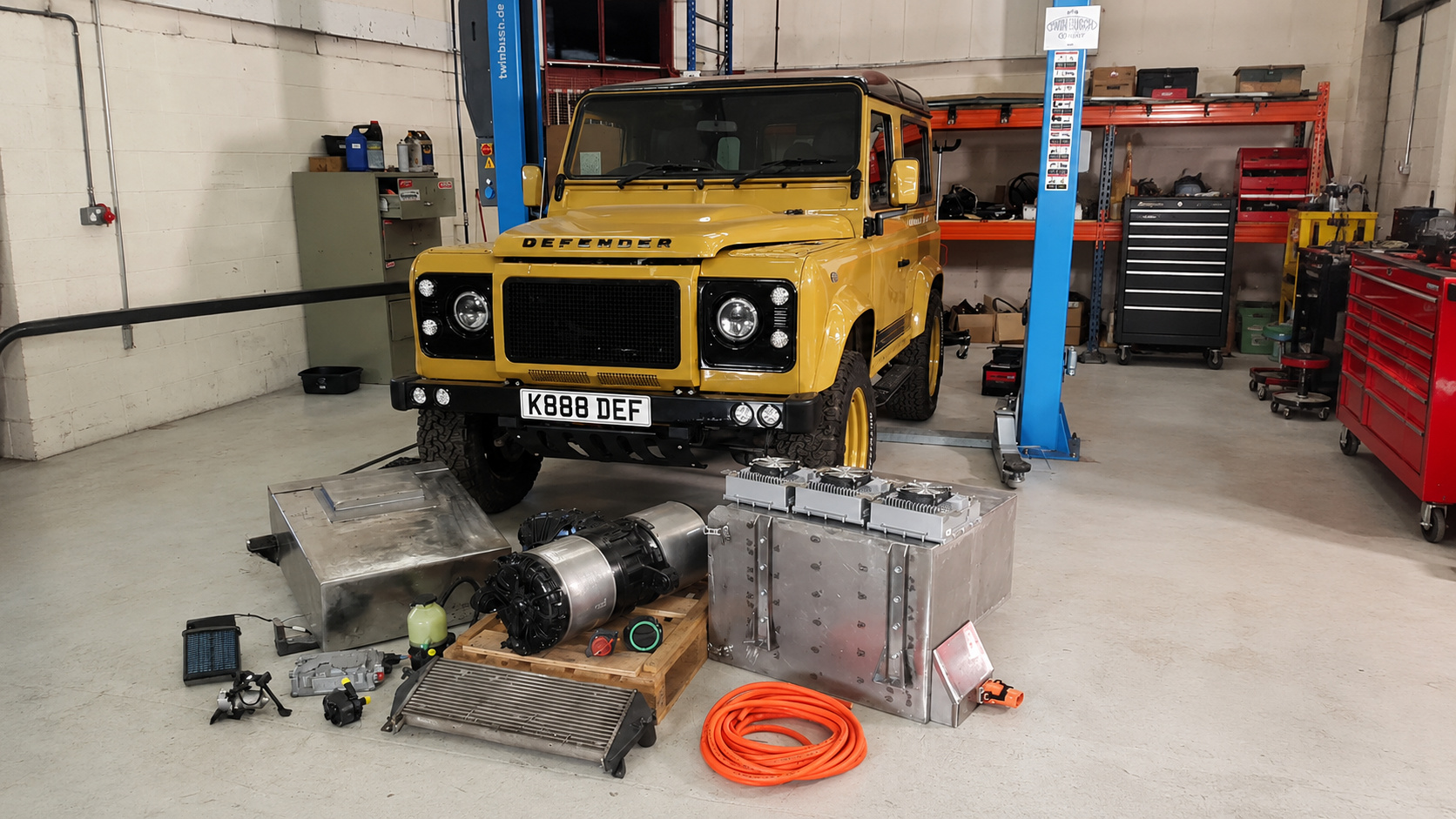
British Mechanics Convert Classic Land Rover Defender to Electric, Maintaining Original Look with 483 Horsepower and 75 kWh Battery

-
Chevrolet Onix Turbo AT 2020: Affordable Used Hatchback with Turbo Engine, Automatic Transmission, and Six Airbags
-
Rolls-Royce Turns Heads with 30-Inch Floating Wheels, 6.6-Liter V12 Engine, and 563 Horsepower


Frequent Damages and Expensive Maintenance
When the car starts having problems all the time, the alert is on. Replacing parts, resolving mechanical failures, and paying for towing have become routine?
If so, it is likely that maintenance costs are approaching or even exceeding the market value of the vehicle.
Repairs on the engine, transmission, and recurring electrical failures are strong indications that the car has turned into a money pit.
Basic maintenance is expected, but if the frequency has increased and the repairs never last long, it might be time to stop.
Severe Rust and Structural Damage
Rust goes beyond appearance. When it reaches structural parts, such as the chassis and suspension, it can compromise the car’s safety.
It is common in areas with harsh winters or constant humidity, where salt or water accelerates corrosion.
Superficial spots may still be tolerable. But if the rust is advancing too much, especially in areas affecting stability, the best choice may be to end the car’s lifespan. Repairing this type of damage is often costly, difficult, or even unfeasible.
Serious Mechanical Problems or Engine Failure
The engine is the heart of the car. When it starts to exhibit serious failures — such as overheating, ignition failure, or refusal to start — the alert turns red. Replacing the engine or transmission in an old vehicle almost always costs too much to justify.
If the repair cost approaches the price of another car, even a used one, the investment simply isn’t worth it. It’s the kind of choice that requires a good conversation with the mechanic and a cold analysis of the cost-benefit.
Your Car No Longer Matches Your Life
Life changes. And the car that was ideal yesterday may no longer serve today. Those who started with a compact model and now have children may need more space.
Someone who moved and drives more may need a more comfortable and fuel-efficient model.
If the old car no longer meets your daily needs, insisting out of attachment will only make your routine more difficult. Sometimes, letting go of an old vehicle means gaining practicality and savings.
Desire for an Upgrade
Not always is the swap out of necessity. Sometimes, it’s just desire. A newer, more modern car with safety features could be the boost you need. New technologies bring more comfort and efficiency.
Waiting too long can be a mistake. Old cars depreciate over time. Selling while there is still some value can help finance a new one. And it prevents the old one from being parked and continuing to lose market value.
Advantages of Getting Rid of the Old Car
Letting go can bring more benefits than it seems. With fewer expenses on repairs, more money is left at the end of the month.
Moreover, the space in the garage can be better utilized.
Another point is the peace of mind. A new, or at least more reliable car, reduces the risk of unforeseen events and breakdowns on the road.
There is also a positive contribution to the environment: many parts and materials from the old car can be recycled, helping to reduce waste.
Conclusion: Difficult But Necessary Decision
Saying goodbye to the car that accompanied your journey is not easy. It has been present in significant dates, unforgettable trips, and simple everyday moments.
But if the signs are appearing, insisting may bring more problems than solutions.
Recognizing that the time has come to move on is an act of responsibility — to yourself, your wallet, and even your safety.
Evaluating each of the signs calmly and attentively will help make the best decision, with less regret and more confidence.
Whether to sell, trade, or dispose of it, the important thing is to act with awareness. Thus, the next chapter of your story on the roads starts off on the right foot.