






 Portuguese
  Spanish


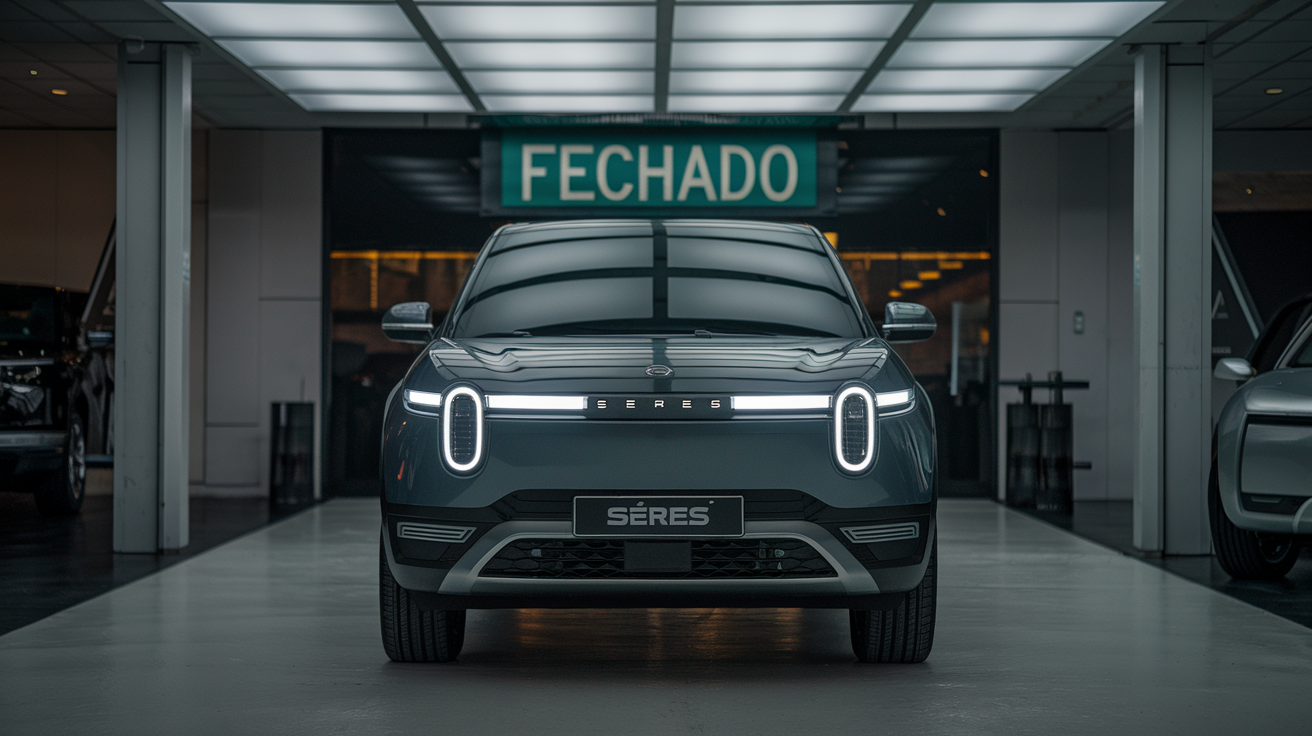


A Chinese Brand Arrived In Brazil, Promising To Revolutionize The Electric Car Market, But Surprisingly Failed! After A Year Of Discreet Operations, It Sold Only Eight Units And Has Already Said Goodbye To The Country. With High Prices And Little Promotion, The Fiasco Was Inevitable. Discover The Reasons For This Lightning Departure!
Not Every Manufacturer That Arrives In Brazil Can Establish Itself In The Market.
While Some Brands Win Over The Public And Become Giants In The Industry, Others Cannot Withstand The Strong Competition And End Up Leaving The Country Quietly.
This Was The Case Of Seres, A Chinese Manufacturer Of Electric Cars That Landed In Brazil With Little Fanfare And, Just Over A Year Later, Announced Its Departure.
-
2027 Toyota Corolla Cross Unveiled: New Design, Enhanced Fuel Efficiency, Reduced Maintenance Costs, Advanced Technology, Connected Services, and Up to 10-Year Warranty

-
Fiat Cronos Precision 2018: Affordable Sedan with Spacious Trunk and Reliable Maintenance
-
Volkswagen to Cut Production by 1 Million Cars by 2030, Reducing Jobs and Platforms, Focusing on More Profitable Models

-
Toyota Launches First 100% Electric Car in Brazil: bZ4X with 343 HP, All-Wheel Drive, 361 km Range, Priced at $419,990 BRL, Limited to 99 Units



The Company’s History In The Country Was Marked By Challenges And A Journey Of Minimal Impact.
Since Its Arrival In July 2023, Until Its Definitive Withdrawal, The Brand Faced Difficulties In Attracting Consumers And Consolidating Its Presence In The Market.
According To Data From The Brazilian Electric Vehicle Association (ABVE), In One Year Of Operation, Seres Sold Only Eight Units Of Its Electric Models.
Now, The Manufacturer Has Closed All Activities In Brazil, Deactivated Its Official Website, And Even Canceled Its CNPJ, Confirming Its Definitive Exit. But After All, What Led The Brand To Such A Significant Failure?
The Timid Arrival And The Departure With No Impact
Unlike Other Manufacturers That Heavily Invest In Marketing And Make Big Announcements When Entering New Markets, Seres Came To Brazil Almost Unnoticed.
Its Launch Occurred In July 2023, Without Large-scale Events Or Aggressive Marketing Strategies.
The Brazilian Public, Used To Receiving Automotive Industry News With Some Euphoria, Practically Did Not Notice Seres’ Entry Into The Market.
Without A Robust Marketing Plan And Little Known Outside Of China, The Manufacturer Could Not Generate Sufficient Interest To Attract Customers In A Highly Competitive Segment.
Less Than A Year Later, In July 2024, Seres Suspended Its Sales, And Now, In Early 2025, The Company Has Officially Withdrawn From Brazil.
Even The Brand’s Social Media Has Stopped Being Updated, Indicating That The Manufacturer Does Not Plan To Resume Operations Anytime Soon.
The Sale Of Only 8 Cars And Non-Competitive Prices
The Sales Figures Of Seres In Brazil Are Impressively Low. The Brand Sold Only Eight Units In One Year, Being Five Units Of The Seres 3 And Three Of The Seres 5, According To The ABVE.
Imported Directly From Shanghai, China, The Brand’s Models Were Launched At Prices Considered High For A Market Still In The Process Of Adapting To Electric Vehicles.
The Seres 3, A Compact Electric SUV, Arrived In Brazil Priced At R$ 239,900, While The Seres 5, A More Sophisticated Model, Was Sold For R$ 394 Thousand.
The High Prices, Combined With The Lack Of Brand Recognition, Made The Vehicles Unattractive To Brazilian Consumers.
Unlike Other Chinese Manufacturers, Such As BYD And GWM, That Have Already Established A Presence In The Country With Aggressive Strategies, Seres Could Not Generate Trust In The Market.
What Went Wrong For Seres?
The Failure Of Seres In Brazil Was Not Caused By A Single Factor, But By A Combination Of Poorly Executed Strategic Decisions And Market Challenges.
Among The Main Problems Faced By The Manufacturer Are:
- Lack Of Promotion: The Brand Arrived In Brazil Without A Strong Advertising Campaign, Becoming Practically Unknown To The Public.
- Generic Design: The Vehicles From Seres Did Not Feature Striking Visual Differentiators, Making Them Less Attractive Compared To The Competition.
- Exclusive Online Sales: At The Beginning Of Operations, The Brand Opted For A Fully Digital Sales Model, A Strategy That Did Not Work Well In The Brazilian Market. Later, The Company Tried To Rectify This By Seeking Physical Stores, But It Was Already Too Late.
- High Prices: For A New Brand With No Tradition In Brazil, The Prices Of The Cars Were Far Above Consumer Expectations.
Additionally, An Interesting Point About Seres Is Its Relationship With The Chinese Giant Huawei.
Although They Were Partners, The Technology Company Did Not Have A Significant Impact On The Manufacturer’s Operations In Brazil, Which May Have Frustrated Some Initial Expectations.
The Competition From Chinese Manufacturers Remains Strong In Brazil
Despite The Failure Of Seres, Other Chinese Manufacturers Continue To Expand Their Operations In Brazil.
The BYD, For Example, Has Become One Of The Leading Sellers Of Electric Cars In The Country, While GWM (Great Wall Motors) Has Also Grown Significantly.
The Success Of These Companies Is Largely Due To More Aggressive Marketing Strategies, More Competitive Prices, And An Approach More Aligned With The Needs Of The Brazilian Market.
Unlike Seres, They Heavily Invested In Building A Strong Identity In The Country.
Meanwhile, The Quiet Departure Of Seres Reinforces A Reality In The Automotive Sector: Entering Brazil Is No Guarantee Of Success, And Only Brands That Truly Understand The Market Can Establish Themselves.






Cuidado dos oitos que comprou será que pode devolver os carros.
Sem marketing e um preço atrativo para o público brasileiro não prospera mesmo.
Se quer arrebentar de vender no Brasil. So trm uma tatica a seguir ( preço) a maioria dos brasileiros hoje nao condegue comprar carro pelo alto valor todo mundo sabe disso e da ate preguiçca de ver essas postagens falando como se nao soubéssemos