






 Portuguese
  Spanish
  4 min of reading
  0 comments


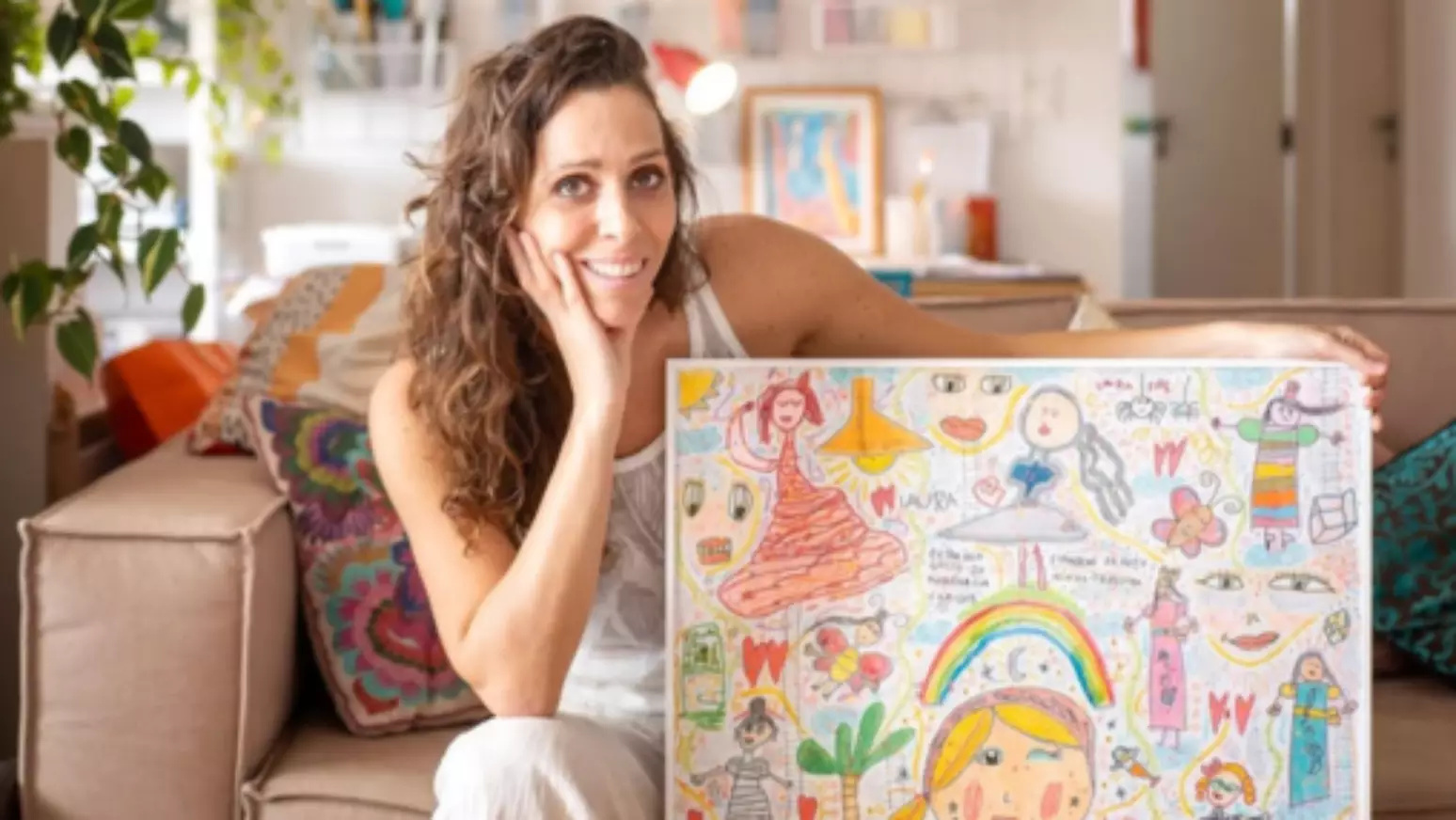
Between collages, painting, and real stories, an artistic proposal emerges that transforms forgotten memories into lasting emotional heritage, connecting families, childhood, and identity through a unique and deeply significant visual language
The idea of transforming children’s drawings into art might seem simple at first glance. However, behind this proposal lies a universe of meaning, memory, and identity that is increasingly captivating families in Brazil. This information was disclosed in an “original report signed by Adrielle Farias,” which revealed how the São Paulo artist Juliana Nascimento, known as Juna, found a new form of artistic and emotional expression in her own daughter’s scribbles.
Initially, as is common with many parents, Juna kept her 4-year-old daughter Laura’s drawings in closets. However, upon realizing the emotional value of those records, she decided to act differently. Thus, she began exploring creative possibilities to immortalize these moments.
Consequently, what was merely an accumulation of papers transformed into something much greater: a unique artistic language.
-
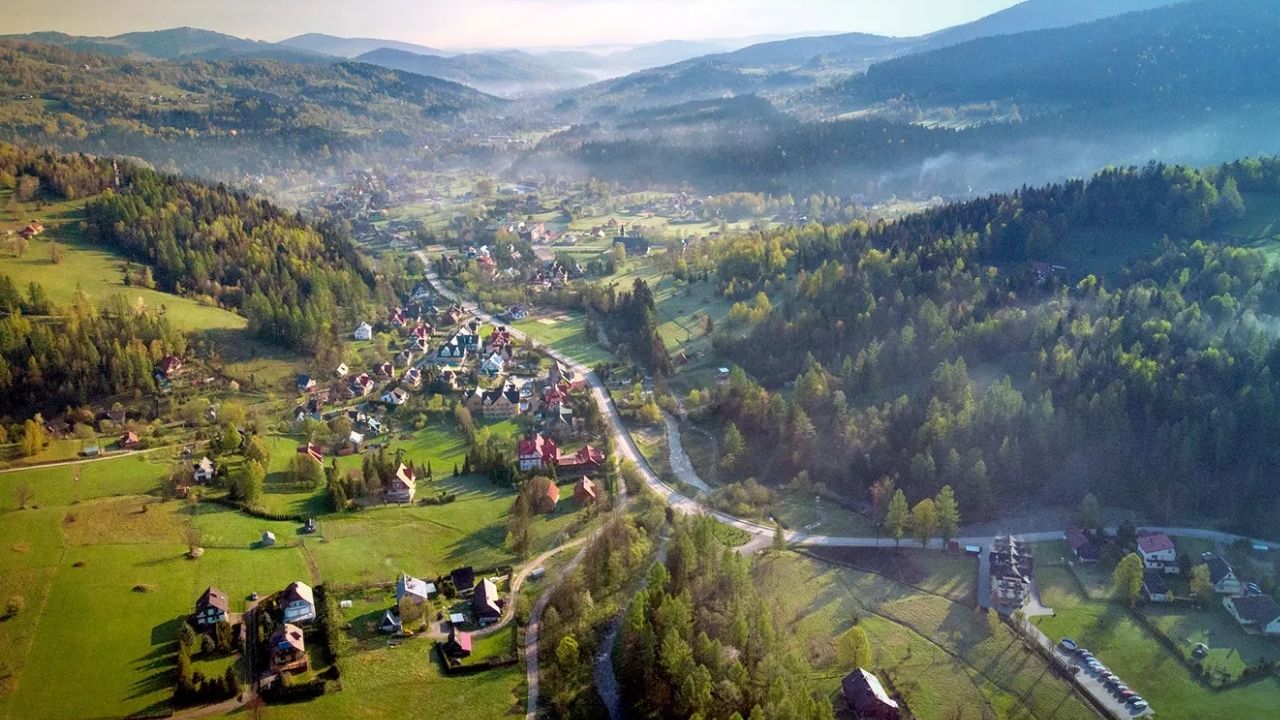
Zawoja, the longest village in Poland, stretches for 18 km between mountains, can take an entire day to cross on foot, and brings together houses, roads, and strips of land in one of the most curious rural formats in Europe.

-
Brazilian National Team idol aims for high luxury in Florida and buys 2 apartments at once for R$ 25 million in a 45-story skyscraper, featuring a private beach club, wine bar, karaoke room, and virtual reality simulator.

-
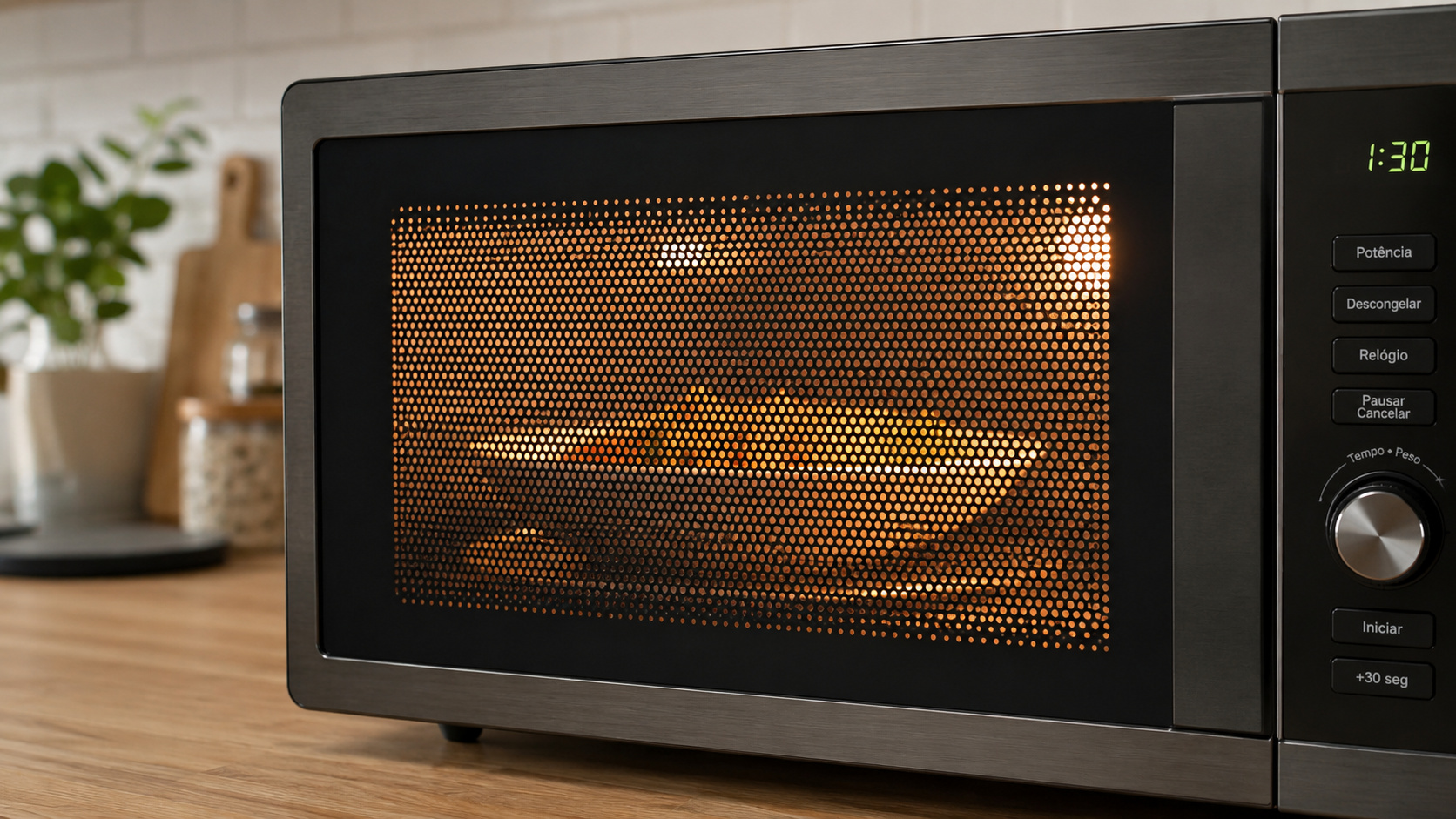
Why does the microwave door have a screen full of tiny holes and how does this feature allow you to see the food without letting the energy escape?
-
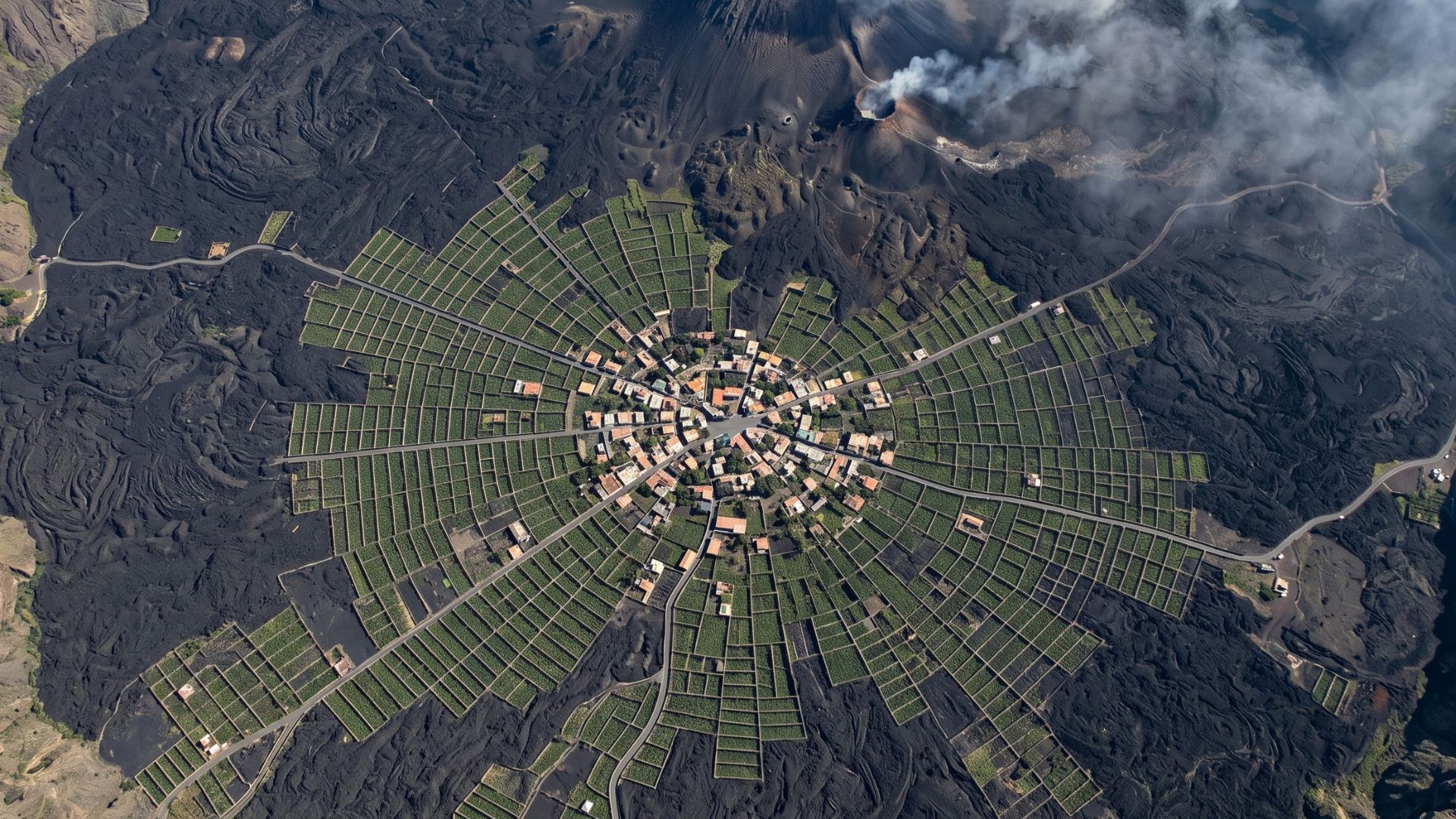
About 700 residents live inside the crater of an active volcano in Cape Verde, with houses and vineyards spread over the already solidified lava. With each eruption that buries the village, the population returns and rebuilds everything in the same place, in one of the most extreme settlements on the planet.


How children’s drawings became works of art laden with memory

Photo: Personal archive
Initially, Juna decided to use an empty canvas as a base for experimentation. From there, she began a collage process with her daughter’s drawings. However, over time, this practice evolved significantly.
In addition to collage, the artist began incorporating painting and pictorial intervention, creating a mixed media technique that defines her work today. In this way, each piece became unique, carrying not only aesthetics but also emotion and history.
According to Juna, there is a common feeling among families: the difficulty of discarding children’s drawings. On the other hand, there is also a lack of a suitable destination for these records.
“Everyone shares the same pain of not wanting to throw them away,” explains the artist.
Given this, she deepened her studies on the importance of drawings in childhood. As a result, she realized that these strokes represent much more than simple play.
The meaning of scribbles in the construction of child identity
By studying child development, Juna discovered something essential: drawing is one of a child’s first forms of language. That is, even before speech, the stroke already expresses emotions, thoughts, and perceptions of the world.
Furthermore, scribbles function as an extension of the child’s lived experience. For example, they often appear accompanied by messages, symbols, or everyday elements.
In this sense, transforming these drawings into art is not just an aesthetic choice, but also a way to preserve identity and memory.
Meanwhile, the artist was also experiencing a personal moment of transformation. With a degree in Administration, Juna worked for almost 14 years in the corporate market. However, after the end of a 13-year relationship and already being a mother, she began a journey of self-discovery.
Consequently, this phase opened space for a reconnection with art, especially with photography and, later, with drawing.
From personal experience to recognized artistic project
Over time, Juna’s work began to attract attention. Initially, requests came from friends and acquaintances. However, quickly, other families began to seek her out with the same desire: to immortalize their children’s childhood.
Currently, all communication about her work primarily happens through Instagram. Furthermore, the artist has managed to expand her reach beyond the family environment.
One of the milestones in this journey was her participation in the Paraty Annual Art Exhibition, held between March and April, at Galeria Platô. At the event, Juna presented 12 new landscape works, further solidifying her presence in the art scene.
The emotional legacy that spans generations
More than decorative paintings, the works created by Juna carry a profound concept: emotional heritage. Each piece is designed to transcend time, gaining new meanings throughout life.
Additionally, each work includes a handwritten letter from the artist on the back. Interestingly, this message is not intended for the immediate present, but for the future.
In other words, the child who today sees their drawing transformed into art, in the future — at 30, 40, or 50 years old — will be able to revisit that moment with a completely different perspective.
Consequently, the value of the work transforms over time.
For Juna, this is the true purpose of her work:
to eternalize childhood not just as a memory, but as a living emotional experience.
If you could eternalize a moment from your childhood in the form of art, which memory would you choose to keep forever?





Be the first to react!