Portuguese
  Spanish




Equipped with ChatGPT and Monitoring Sensors, Hyodol Dolls Provide Companionship, Remind Medication Schedules, and Alleviate Loneliness for the Elderly in a Country Where Population Aging is Rapidly Accelerating
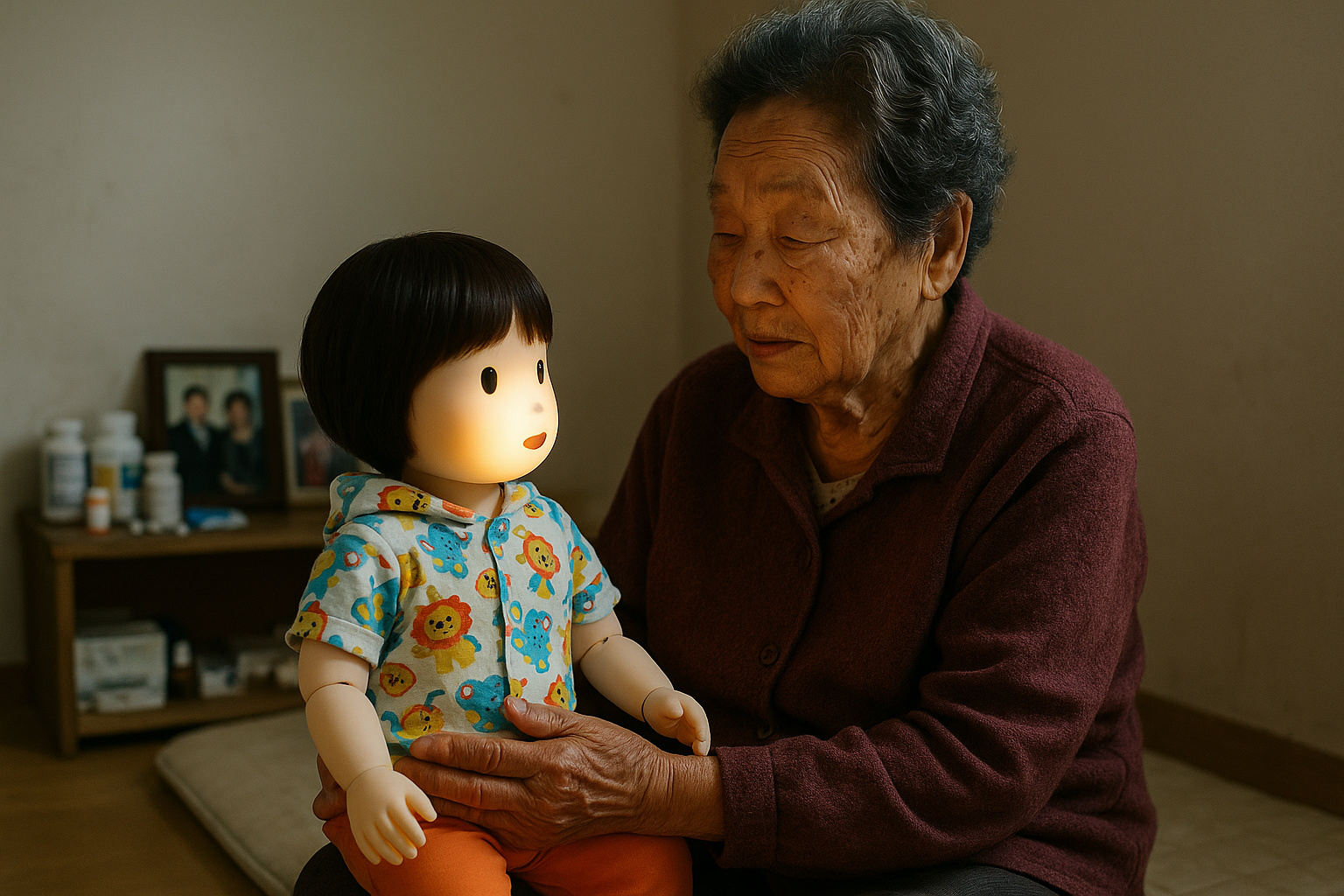
In Seoul, South Korea, artificial intelligence robot dolls called Hyodol are being used as caregivers for elderly individuals living alone. The project, initiated in 2019 in the Guro district, has already distributed over 12,000 units across the country, aiming to reduce loneliness and assist in monitoring the health of the elderly population.
The robot was developed by the South Korean startup Hyodol and received its name inspired by the Confucian value of caring for the elderly. Resembling a seven-year-old child doll, the device utilizes a chatbot based on ChatGPT for real-time conversation, as well as issuing reminders for meals and medications.
According to a report published by the site Rest of World, the sensors embedded in the robot allow for monitoring movements and health conditions, sending alerts to family members or social workers in case of emergencies.
-
In the Desert, Nearly Black Solar Panels Could Trigger Rainfall: Researchers Aim to Prove if Heat from Solar Farms, Combined with Humid Winds and Artificial Dunes, Can Generate Clouds in Arid Regions

-
Electric Vehicle Repairs Cost 23% More, But the Battery Isn’t to Blame
-
China’s Solar Panel Installation in Desert Unintentionally Alters Soil, Moisture, and Vegetation Dynamics

-
China’s Plan to Prevent Giant Asteroids from Hitting Earth Involves Deep Nuclear Blasts and 20 Years of Preparation



Technology as a Response to Population Aging
South Korea is facing one of the oldest populations in the world, coupled with declining birth rates and the dissolution of multigenerational households. This scenario leads to high rates of depression, dementia, and loneliness among the elderly.
As a result, the government and local institutions have begun to invest in technological solutions to address the shortage of caregivers, which already faced a deficit of 190,000 professionals in 2023. Estimates suggest that labor shortages in this area could exceed 1.5 million workers by 2032.
Each unit of Hyodol costs about 1.6 million won (US$ 1,150), a significantly lower amount than an annual salary for a human caregiver, making it a viable alternative on a large scale.
Emotional Impact and Cultural Adaptation
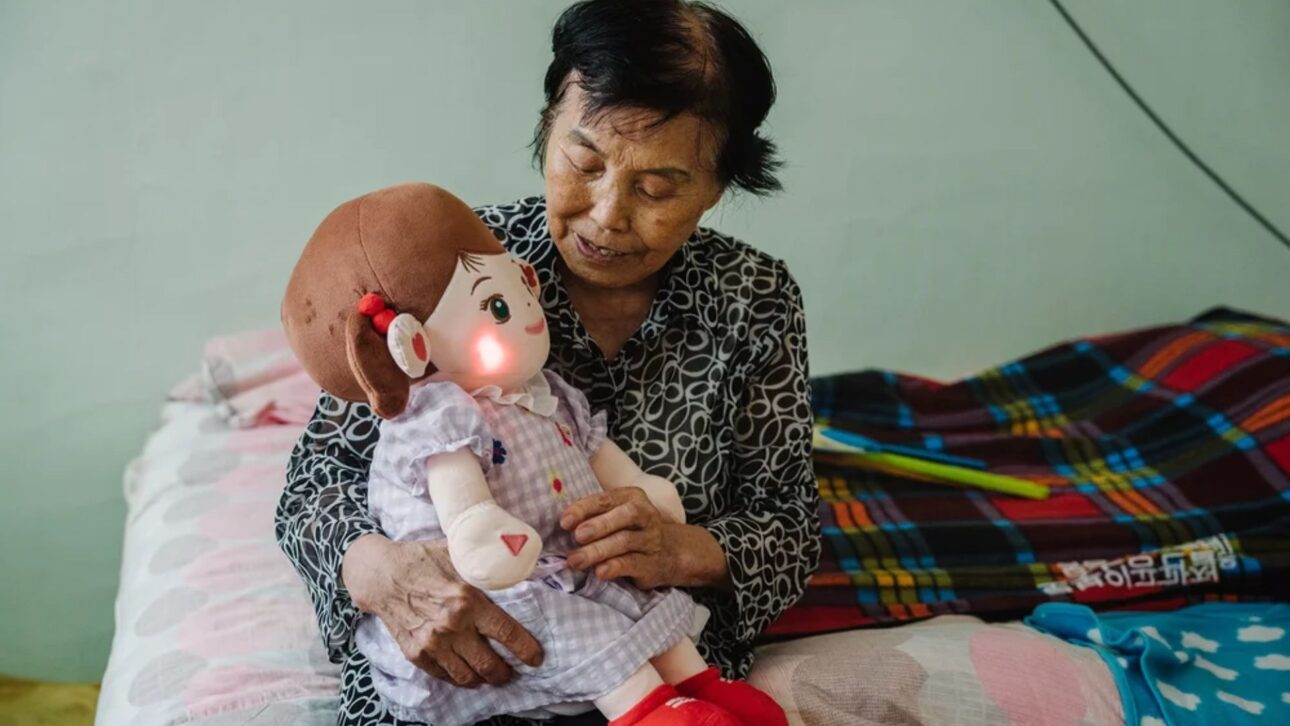
Accounts from the elderly indicate that the robot quickly becomes part of their routine. Many treat them like grandchildren, dressing the dolls in handmade clothes and even asking to be buried alongside them. At community events, such as fashion shows and symbolic birthday parties organized by social assistance centers, the Hyodols are celebrated by their users.
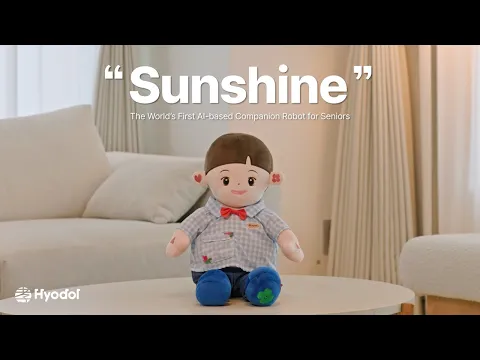

According to caregivers, the robot’s presence functions as an emotional bridge: elderly individuals share feelings with the doll that they do not share with their children or health professionals. In one case cited by Rest of World, an elderly man reported suicidal thoughts to the robot, which immediately sent an alert to the assistance team, enabling medical intervention.
Despite this, experts warn of ethical and psychological risks, such as excessive dependency, social isolation, and difficulties in understanding among individuals with dementia.
Privacy and Technical Challenges
Another point of concern involves the collection and storage of sensitive data. Hyodol CEO Kim Ji-hee states that all information is stored anonymously for three years and is not sold to third parties. Still, researchers like Julie Carpenter from California Polytechnic State University warn of surveillance risks and a lack of transparency in the use of this information.
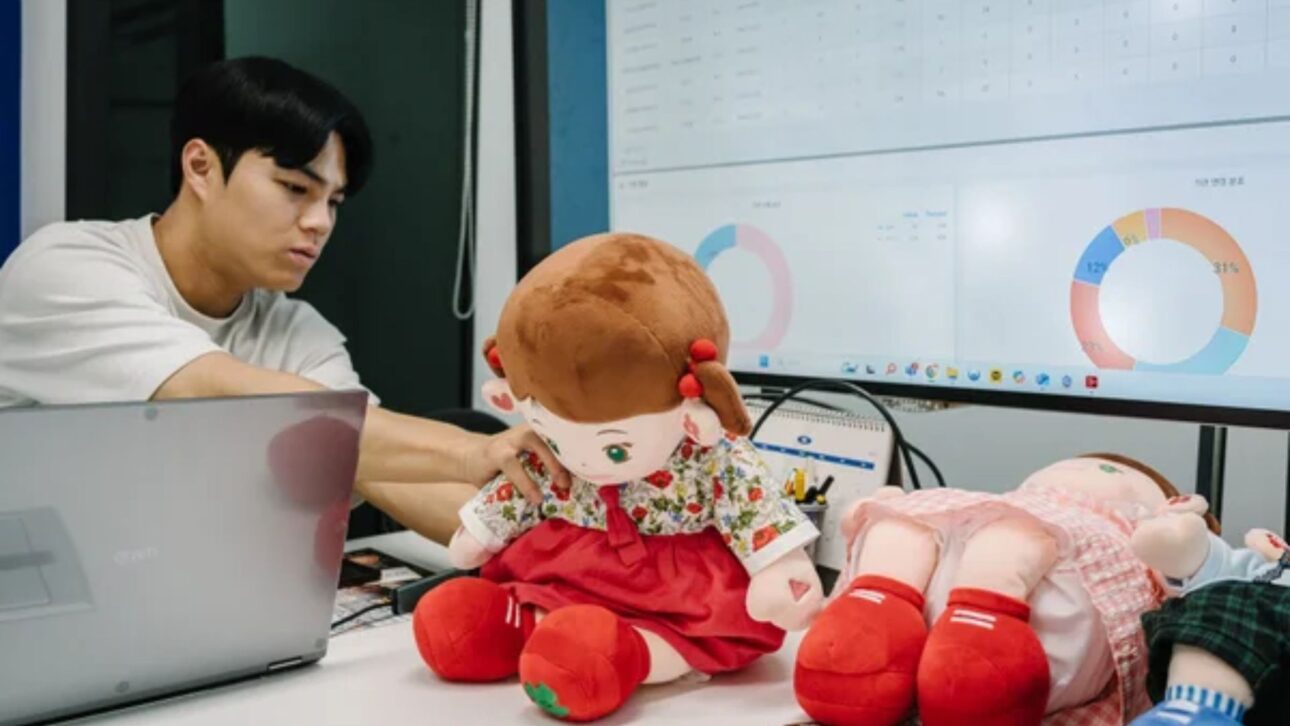
In addition to privacy issues, there is the challenge of maintenance. Social workers report that many devices experience failures and need to be collected regularly for repairs. Managing hundreds of units increases the workload for these professionals while reducing part of the in-person care.
International Expansion and Billion-Dollar Market
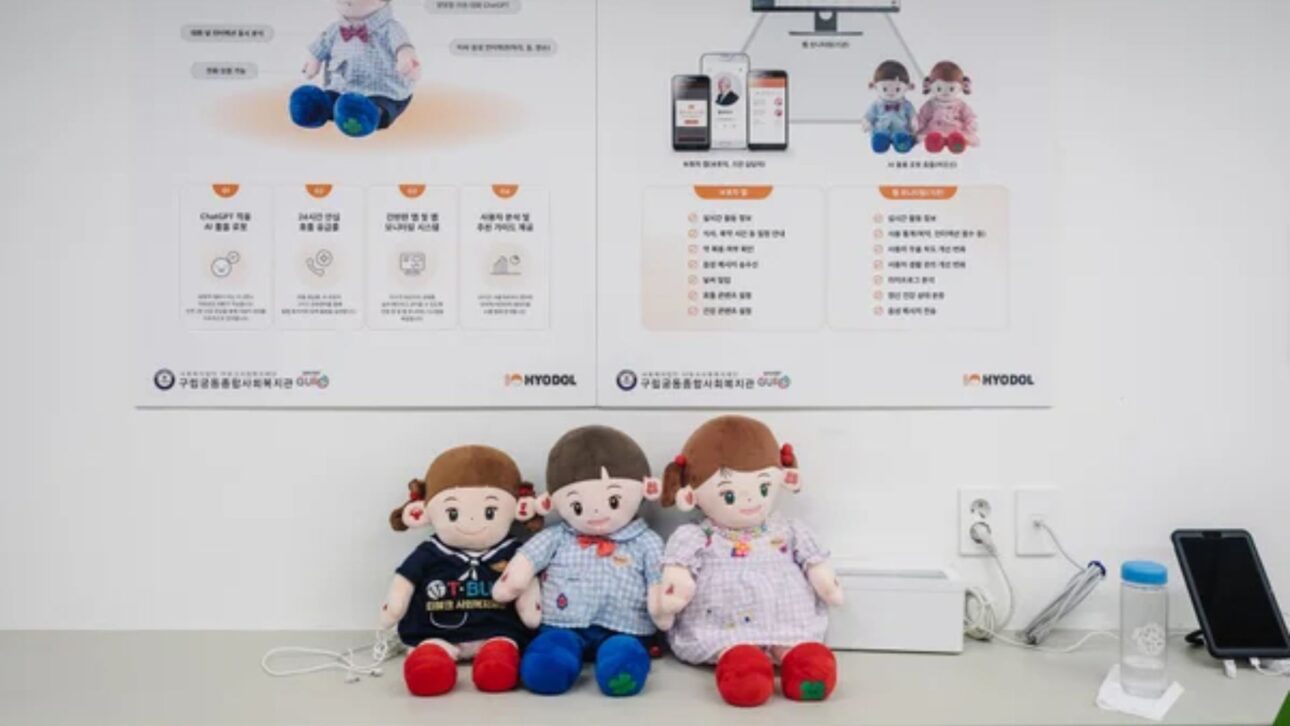
After testing at a care center in New York in 2023, Hyodol is preparing to enter the North American market in 2026. To do this, it is adapting the software for English, Chinese, and Japanese languages while developing new design options.
The trend is global: Japan already uses the seal robot Paro, the United States is testing the ElliQ in elderly apartments, and Singapore is betting on the humanoid robot Dexie. The global market for elder assistance robots is expected to reach US$ 7.7 billion by 2030, according to data from the research company Research and Markets.
The challenge, according to experts, will be to balance the use of technology with maintaining human presence, avoiding the complete replacement of caregivers that could worsen feelings of isolation among the elderly.
Do you believe that robots with ChatGPT can really replace part of the human care for the elderly, or is personal contact still irreplaceable?