






 Portuguese
  Spanish
  3 min of reading
  0 comments


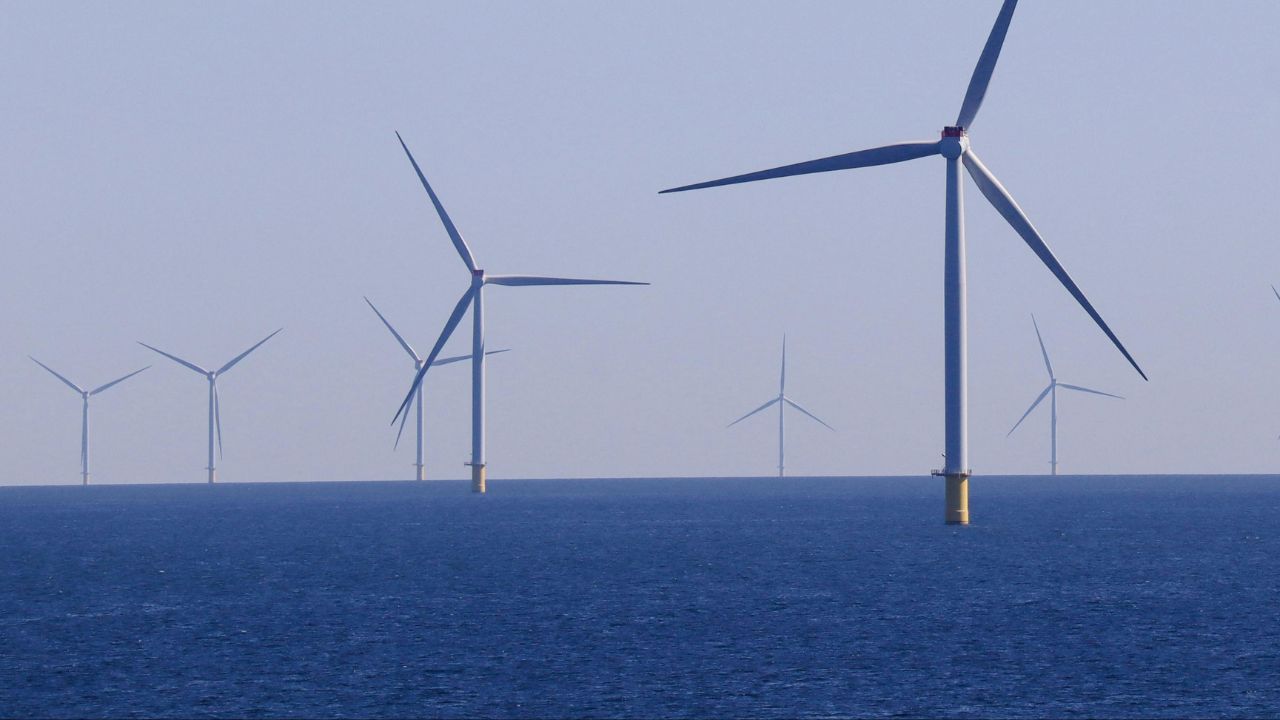
Pilot Project Will Be Installed on the Coast of Areia Branca and Represents a Fundamental Step for the Development of Offshore Energy Generation in the Country.
The Brazilian Institute of Environment and Renewable Natural Resources (Ibama) granted, this Tuesday (24), the first preliminary license for an offshore wind energy complex in Brazil. The structure will be deployed offshore, on the coast of Areia Branca municipality, in Rio Grande do Norte, marking the beginning of a new phase for renewable energy in the country.
A Milestone for Renewable Energy
The first preliminary license for an offshore wind project was issued by Ibama. The chosen location is the coast of Areia Branca, a municipality with 24,000 inhabitants in Rio Grande do Norte. This pilot project will have an installed capacity of up to 24.5 megawatts (MW).
According to the Environmental Licensing Director of Ibama, Claudia Barros, this is the first licensing of its kind in Brazil. It is fundamental as it can generate valuable knowledge about the offshore wind sector. The pioneering project is the responsibility of the Senai Institute of Innovation in Renewable Energies.
-
Brazilian scientists are simultaneously advancing two research projects on clean hydrogen and driving solutions that could transform the energy matrix, enhance industrial competitiveness, and accelerate large-scale emission reduction targets.

-
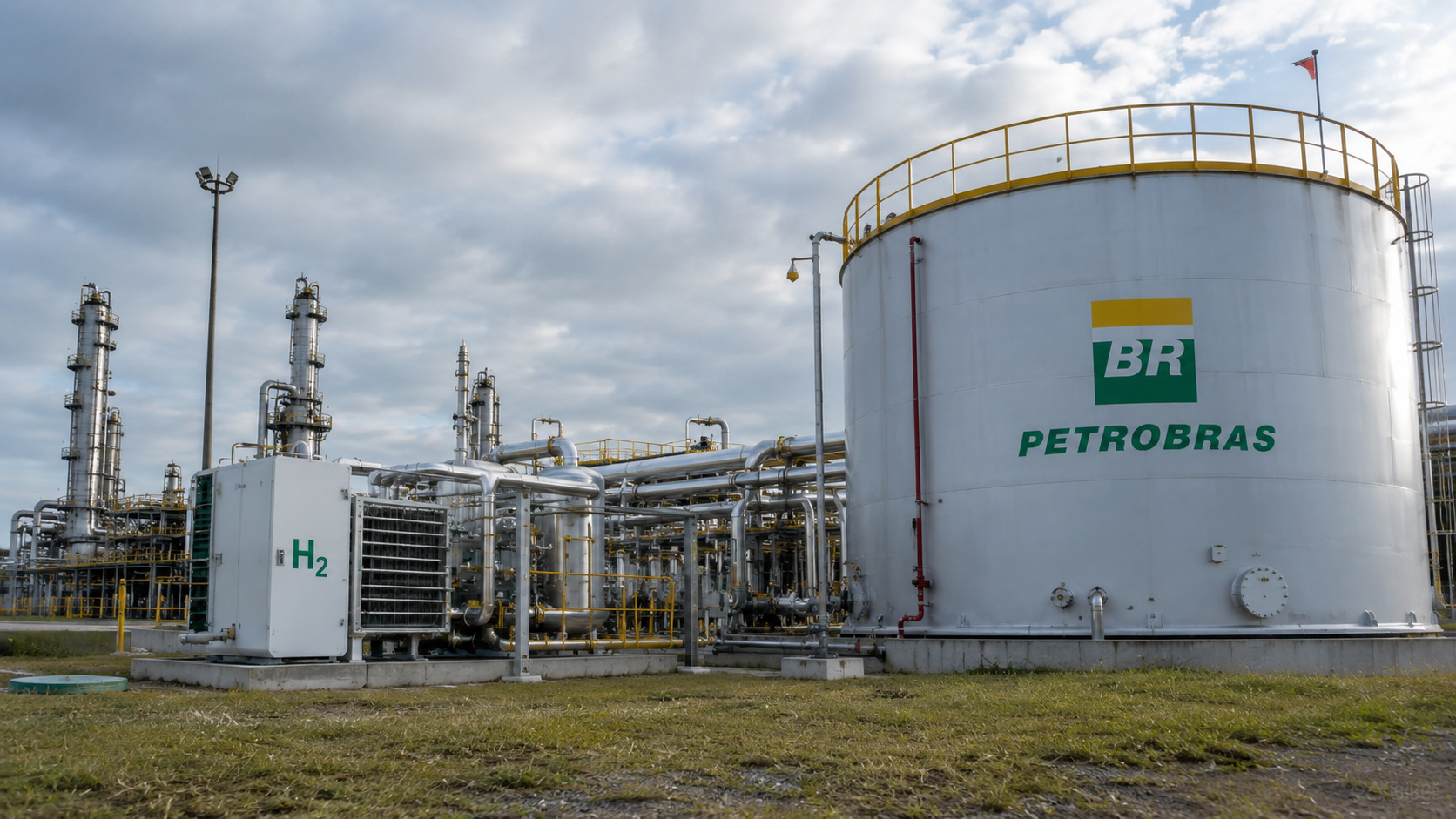
Advancement in renewable energy: A R$ 150 million project launched by Petrobras and Finep aims to create state-of-the-art electrolyzers for green hydrogen, strengthening national research and preparing Brazil to compete in a billion-dollar energy market.
-
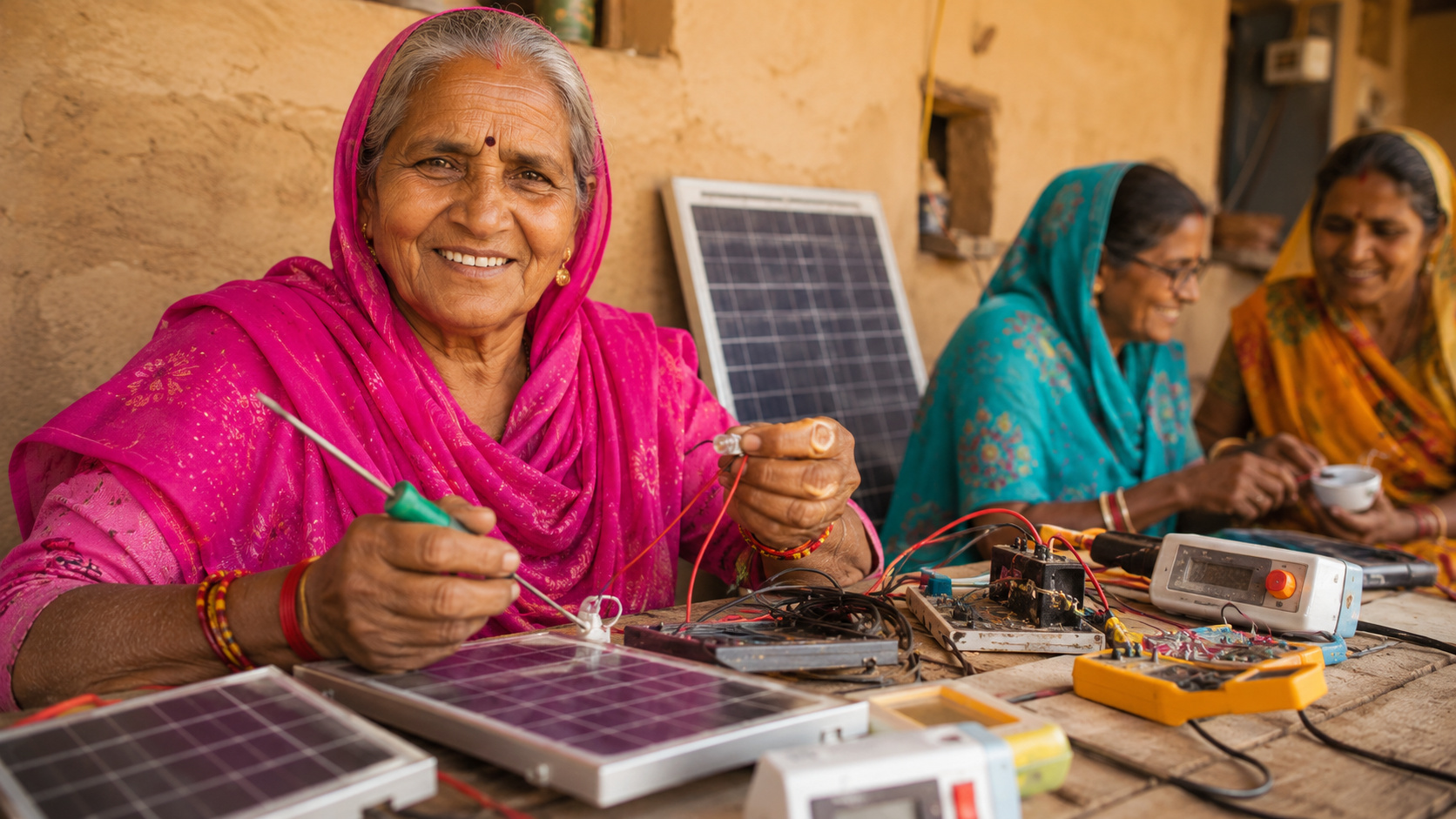
Illiterate or semi-literate grandmothers were trained to repair solar systems, open rural workshops, and light up homes that still depended on kerosene.
-
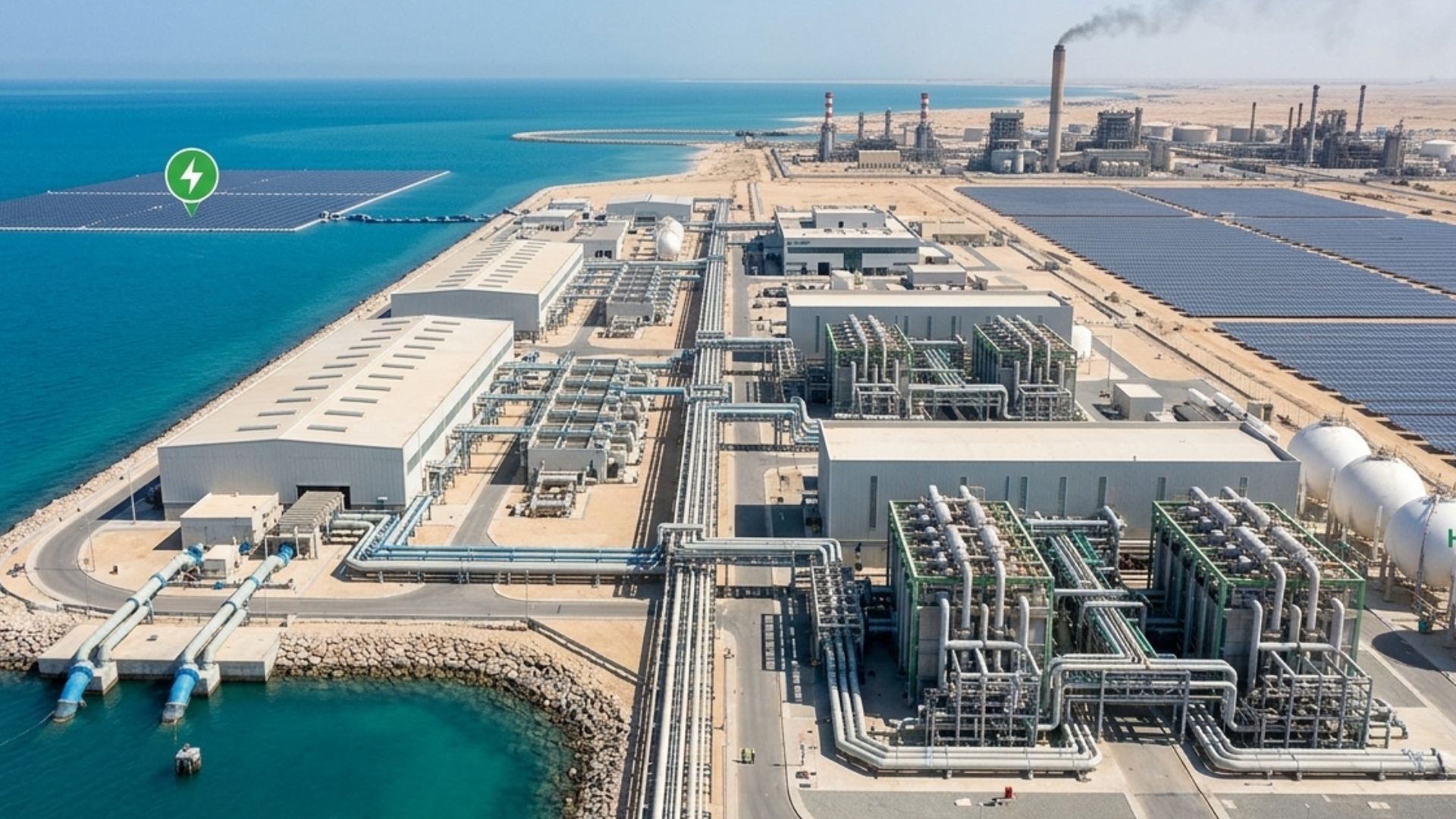
The world has bet on green hydrogen as the fuel of the future, but now faces the side effect: producing 1 kilogram requires about 9 liters of ultrapure water, and the largest projects on the planet are precisely in the driest regions of the Earth, where water is already scarce for people.


What Is Offshore Wind Energy and Brazilian Potential?
Offshore wind energy is generated by turbines installed offshore. In these areas, the winds are stronger and more constant than on land, optimizing electricity production.
Brazil already stands out on the world stage. According to the Global Wind Energy Council, the country is the fifth largest market for installed turbines on land. Additionally, Brazil’s potential for offshore wind is immense, estimated at 1.2 thousand gigawatts (GW).
Installation Details and the Licensing Process for Offshore Wind
The project for the offshore wind energy complex on the Potiguar coast will consist of two wind turbines. They will be located 15 to 20 kilometers offshore. The energy generated will be transmitted via submarine cables to the Areia Branca Salt Terminal, known as the “Porto-Ilha” substation, located about 4.5 kilometers away.
The license issued by Ibama is the result of work started in 2017, as explained by Eduardo Wagner, Licensing Coordinator. The analysis considered the physical, social, and marine fauna impacts.
The Conditions and the Global Scenario
Ibama’s evaluation recommended strengthening the Environmental Management Plan. This plan includes 13 programs, addressing everything from monitoring fauna and underwater noise to social communication and professional qualification.
As a “preliminary” license, the continuation of the offshore wind energy project depends on compliance with these requirements. The feasibility of the next stages is contingent upon these sustainability measures. This advancement occurs at a strategic moment, as the Ministry of Mines and Energy recently highlighted Brazil’s progress in the regulatory framework for offshore wind during a global conference in London.




Be the first to react!