Portuguese
  Spanish


The Wooden Lutheran Church of Kiruna, Inaugurated in 1912, Was Transported with Hydraulic Jacks in an Operation Costing R$ 285 Million.
The city of Kiruna, in the far north of Sweden, witnessed an impressive and historically significant event: the relocation of its iconic wooden Lutheran church of Kiruna. Weighing an incredible 672 tons and standing 40 meters tall, the structure was transported about five kilometers to a new location.
The reason? The relentless advance of Europe’s largest underground iron mine, which threatened the integrity of the soil and the safety of the century-old building.
The feat, which seems more like a modern fairy tale, is in fact a landmark of engineering. Inaugurated in 1912, the century-old 672-ton church had its journey broadcast live, capturing the world’s attention.
-
Two Design Students from Brazil Turn Recycled Plastic into Fashionable Eyewear, Earning $10 Million in a Year

-
Self-Taught Brazilian Innovator Brings Solar Power to Shantytowns Using Scrap, Solar Panels, and Phone Batteries
-
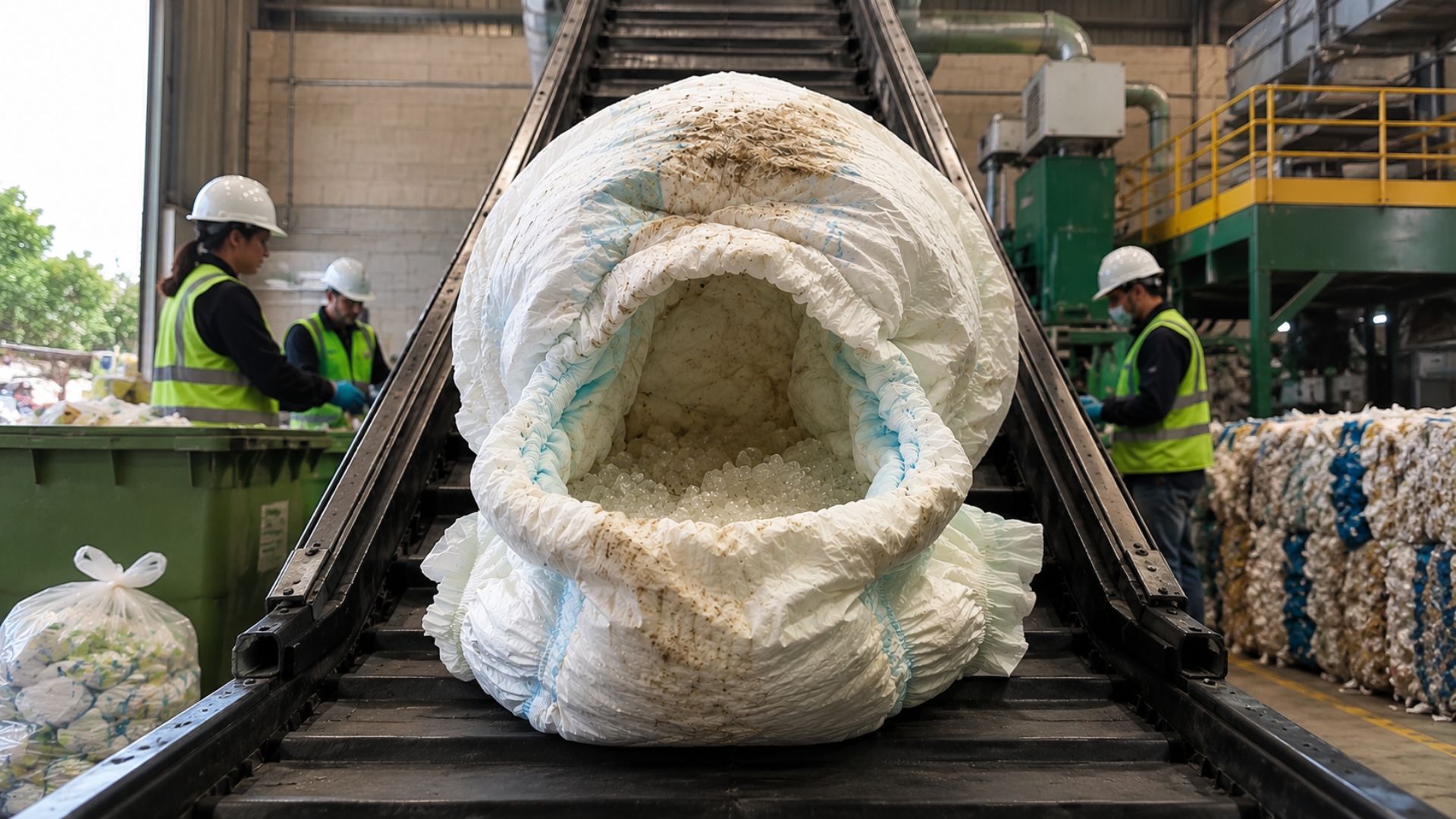
Brazil Pioneers Innovative Project to Transform Used Baby Diapers into Sustainable Solutions for Schools and Cities
-
Cargo Ship Completes Historic Nighttime Voyage to Porto Alegre, Revolutionizing Large-Scale Navigation in Brazil After 42 Years



The transportation operation, which required an investment of around 52 million dollars (approximately R$ 285 million), sparked discussions, but the celebration of its preservation was the dominant sentiment in the city.
The Engineering Behind the Relocation of Kiruna’s Church
Moving such a heavy and fragile historic building is not a simple task.
The operation that saved the wooden Lutheran church of Kiruna was the culmination of years of planning and preparation.
First, the technical team meticulously excavated the ground around the base of the church.
Next, giant support beams were positioned, serving as the foundation for the next step.
Using hydraulic jacks, powerful tools that apply enormous force, the structure of the century-old 672-ton church was slowly lifted.
Once suspended, it was placed on a special transport platform, equipped with wheels, ready for the journey.
The transport was carried out with extreme caution and precision, ensuring that no damage occurred to the delicate wooden construction.
Additionally, the journey began solemnly, with prayers led by a bishop, acknowledging the spiritual and cultural importance of the temple.
Preserving History in the Face of Industrial Progress
The city of Kiruna is fundamentally linked to mining, which is the backbone of its economy.
However, the growth of the mine began to threaten the very fabric of the urban area.
The decision to relocate the century-old 672-ton church reflects the dilemma between economic progress and historical preservation.
The wooden Lutheran church of Kiruna is not just a building; it is a symbol for the community, a place of worship, gathering, and memory.
Its preservation was a priority, even with the high cost of the project.
The fact that the city financed the operation shows how much cultural heritage is valued.
Despite criticism about the cost, the success of the operation proved that the decision was worth it.
The church’s journey is a fascinating example of how modern engineering can be used to save history.
In its new home, the century-old 672-ton church will continue to be a beacon for the community and a living testament to human capability to overcome challenges.
Do you think this type of historical preservation operation should be more common, even with the high costs involved?