






 Portuguese
  Spanish
  3 min of reading
  0 comments


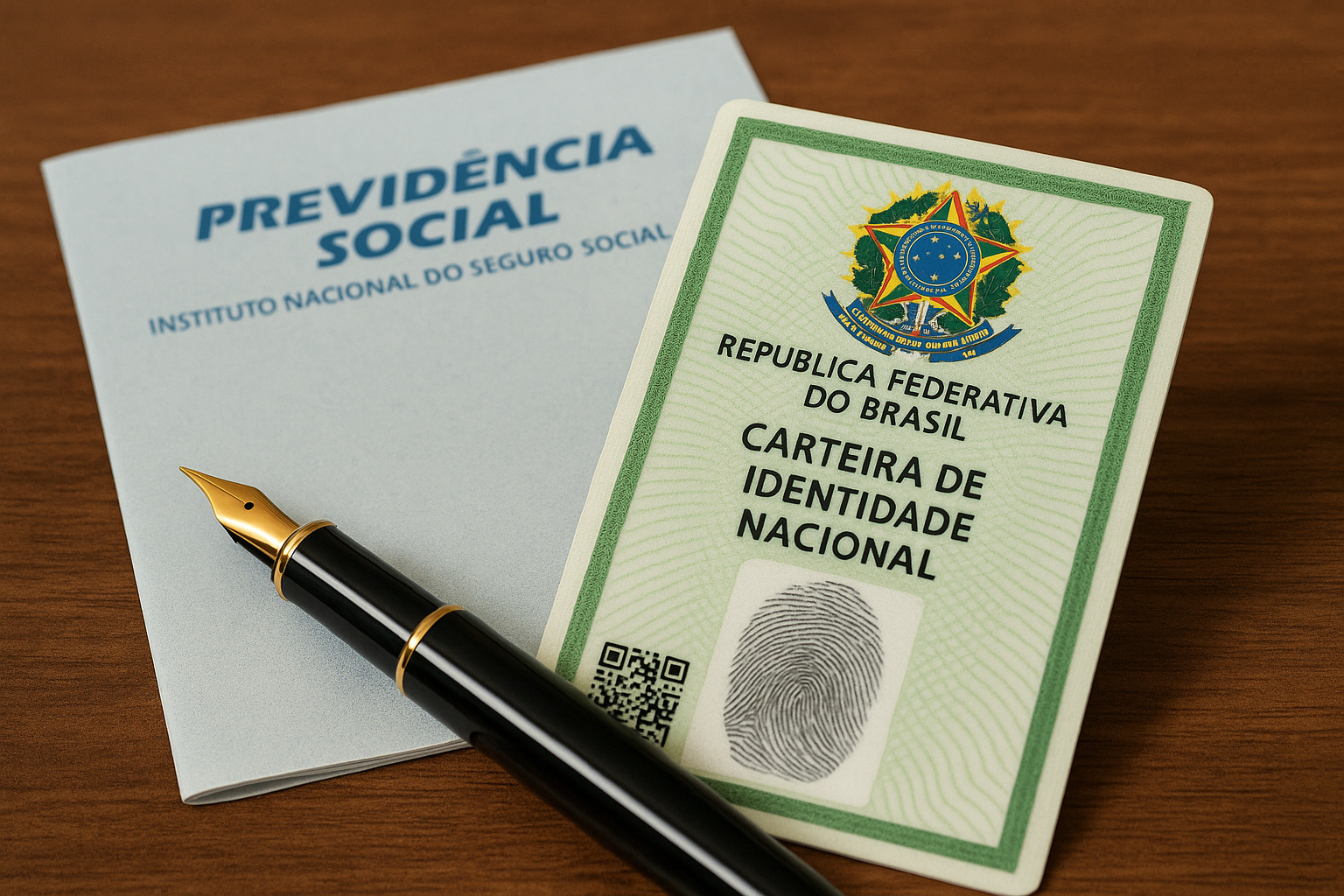
National Change Organized in Phases Defines When the CIN Will Be Required by the INSS
The National Social Security Institute (INSS) has initiated a change that will, however, transform the process of requesting and maintaining benefits, and therefore, will affect retirees, pensioners, and future applicants.
The decision was established by Decree No. 12,561, and thus, the transition progresses gradually until 2028.
During this period, only the National Identity Card (CIN) will be accepted as an official document with biometrics.
The measure follows a national policy for document standardization, and, for this reason, strengthens the fight against fraud.
It also improves the identification of beneficiaries, while maintaining security and traceability in all internal procedures.
Phases of Requirement and Progress of Mandatory Biometrics
As of November 21, 2025, any new request to the INSS will require valid biometrics, and therefore, citizens can use the biometrics from the CIN, CNH, or Voter ID.
The decision aims to enhance security, and thus, reduces vulnerabilities in existing identification systems.

As of May 1, 2026, anyone requesting a benefit without registered biometrics will be required to issue the CIN, and thus, the document standardization progresses definitively.
On January 1, 2028, the change will become complete, and therefore, only the CIN will be valid for new requests.
It will also be valid for the maintenance of existing benefits, according to the official schedule.
-
Land Rover to Halt Production in July, Putting 371 Jobs at Risk, as Chinese Automaker Negotiates to Convert Factory to 100,000 Vehicles Annually by 2027

-
Mexican Pest Threatens U.S. Cattle Herds at Historic Lows, Potentially Boosting Brazilian Beef Exports as Burger Prices Soar

-
Brazilian Freight Bill Progresses in Congress with $5,000 Minimum Wage, 70% Advance Payment, and Fines Up to $1 Million, as Agriculture and Industry Warn of Rising Costs and Legal Uncertainty

-
High Interest Rates and Record Defaults Lead to Surge in Vehicle Repossessions and Crowded Car Auctions in Brazil by 2026


Situation of Current Beneficiaries and Practical Effects
According to the INSS, retirees and pensioners will not have their payments automatically blocked, and therefore, there is no immediate risk of suspension.
Biometric updates will be requested individually, and thus, each citizen will be notified in advance.
This notice will ensure that the process occurs without financial detriment, maintaining the regularity of monthly deposits.
Groups Exempt from Mandatory Biometrics During the Process
Some groups have been exempted until appropriate alternatives are provided by the government, and therefore, maintain differentiated rules during the transition.
Among them are individuals over 80 years old, in addition to people with proven mobility difficulties.
Residents of hard-to-reach areas served by PREVBarco are also included, and therefore, receive differentiated treatment.
Migrants, refugees, and stateless persons are also exempt, as well as Brazilians living abroad.
There is also a temporary exemption until April 30, 2026, and therefore, it applies to those requesting maternity leave.
It also applies to requests for temporary disability benefits, in addition to death pension.
Why the CIN Will Be Mandatory and What Problems It Aims to Avoid
The new National Identity Card includes integrated biometrics and international security standards, and therefore, ensures unified identification in public systems.
It also features a QR Code, thus facilitating authenticity checks.
The government indicates that the standardization reduces fraud, and therefore, prevents the use of false documents.
It also prevents unauthorized withdrawals, in addition to identity swaps in online requests.
Timeline According to the Official Decree
November 21, 2025 – INSS begins to require valid biometrics for new requests.
May 1, 2026 – those without registered biometrics must issue the CIN.
April 30, 2026 – end of temporary exemption for three types of requests.
January 1, 2028 – only the CIN will be accepted to request or maintain benefits.
Considering all this context, the INSS document transition reinforces security standards, and therefore, aligns the social security system with the national model of digital identification.
What do you believe will be the biggest challenge for beneficiaries during this gradual change?






-

-

-

-

-

-

32 people reacted to this.