






 Portuguese
  Spanish


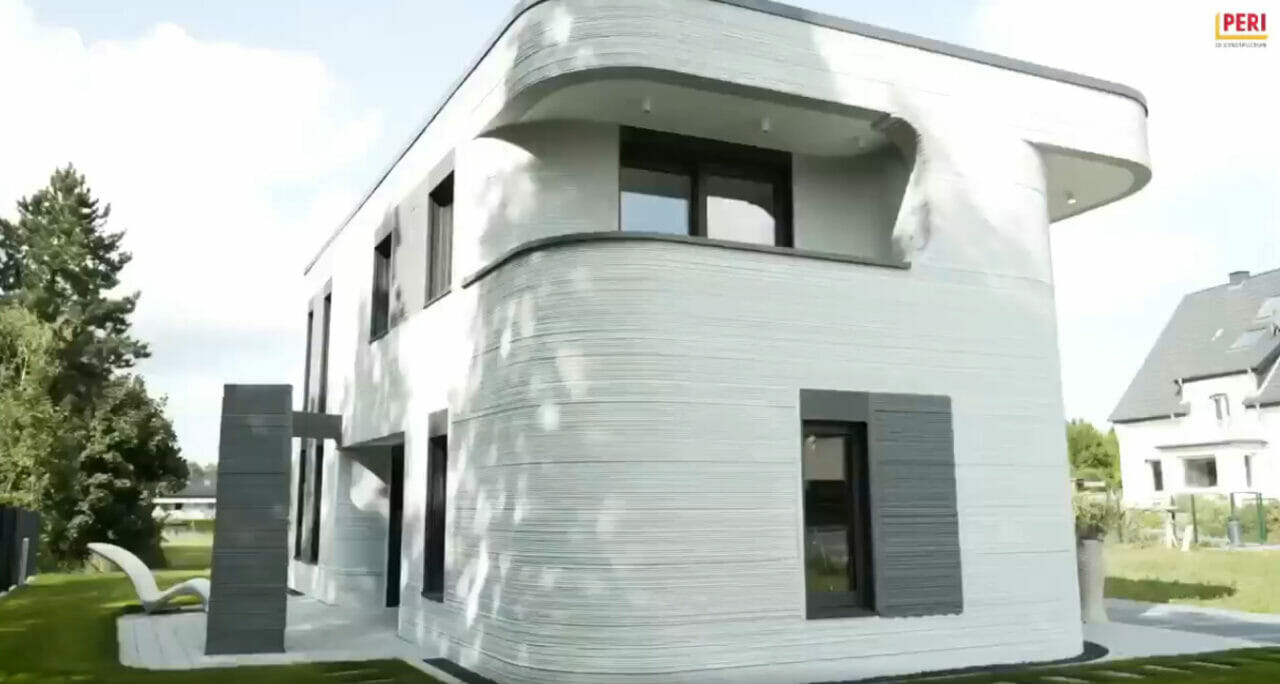

Revolutionizing Construction: How 3D Printers Make Projects Faster, Cheaper, and More Sustainable
The technology of 3D printing is bringing profound changes to various sectors, and the construction industry is no exception. A new video released by PERI 3D highlights how 3D printers can speed up and optimize home building.
Advantages and Challenges of 3D Printing in Construction
Pros:
- Speed: 3D printing technology has the ability to drastically reduce the time needed to build a house.
- Cost-Efficiency: With lower labor and material costs, 3D printing becomes a financially attractive option.
- Sustainability: The technology enables a more efficient use of materials, generating less waste and contributing to a more sustainable future.
- Customization: Architects have more freedom to design custom homes, thanks to the customization capabilities of 3D printing.
- Accessibility: 3D printing has the potential to offer more affordable housing solutions on a global scale.
Cons:
- Initial Investment: Acquiring and maintaining a 3D printer requires a considerable investment.
- Specialized Labor: Operating these machines requires specific technical knowledge.
- Regulatory Challenges: The industry is still adapting to create regulations that encompass this new technology.
- Material Limitations: The range of materials that can be printed is still relatively limited.
- Technical Barriers: Like any emerging technology, 3D printing faces technical challenges that need to be overcome.
Technical Details: What is the COBOD BOD2 3D Printer?
It is a modular printer that can be configured in various dimensions, thus facilitating its adaptation for different projects. The COBOD BOD2 can print at speeds of up to 1 m/s, although safety regulations currently keep it operating at 25 cm/s. The result? Approximately 5 minutes to print 1 square meter of wall.
Design and Safety
PERI 3D also emphasizes that 3D printing opens new possibilities for interior designs and ensures safe operations through camera monitoring and rigorous certifications.
-
Tesla injected an additional $250 million into the German factory, doubled the battery cell target, and opened its own production line for startups.

-
No more TV stuck on the wall: Samsung The Freestyle+, the new projector with over 400 lumens projects on walls, floors, and ceilings, bringing cinema to any corner of the house.

-
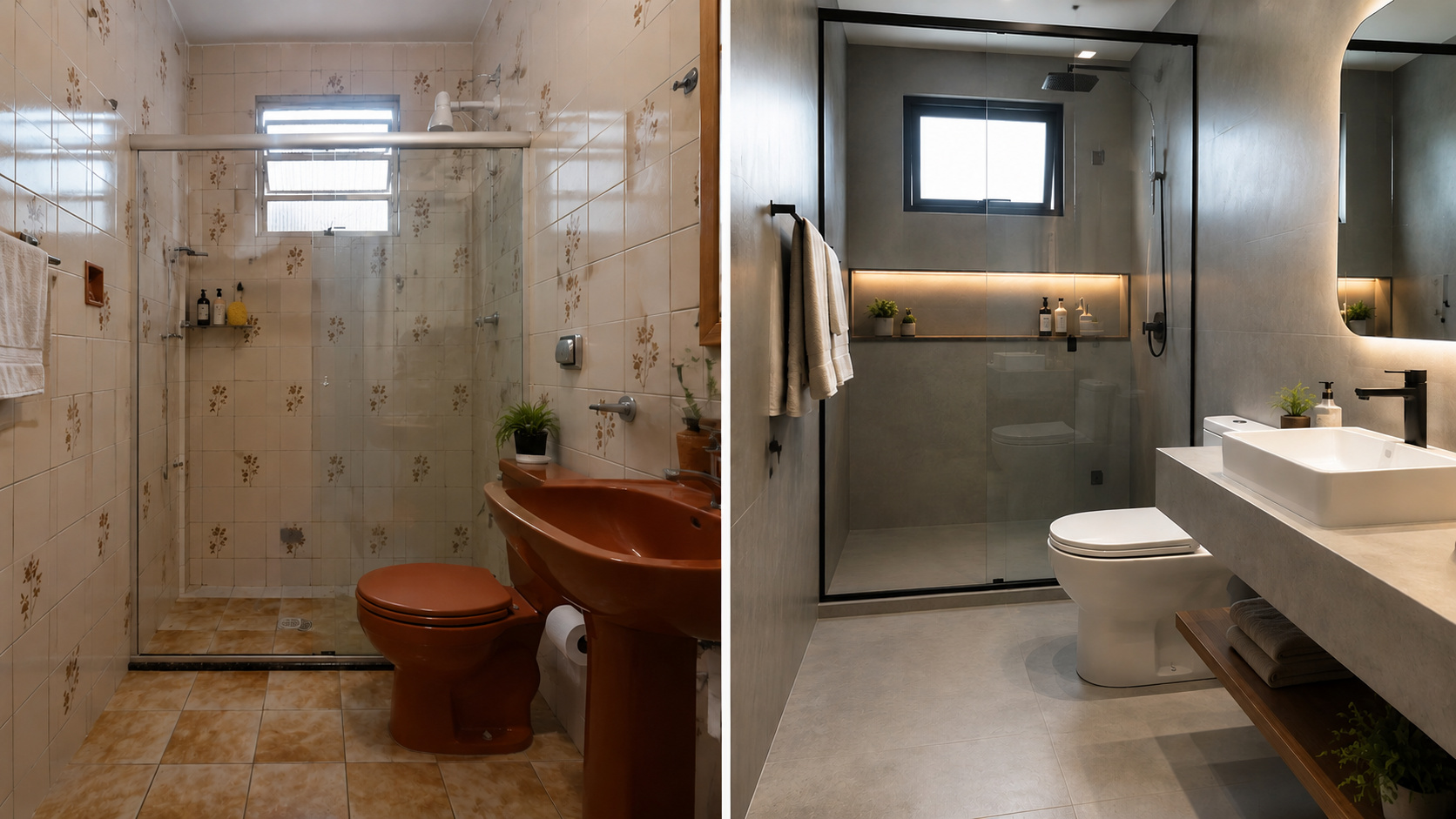
Goodbye to old tiles: renovation technique without construction transforms bathrooms in a few hours, eliminates debris, and reduces costs with coverings using special paints, high-resistance adhesives, and modern finishes that completely renew the space.

-
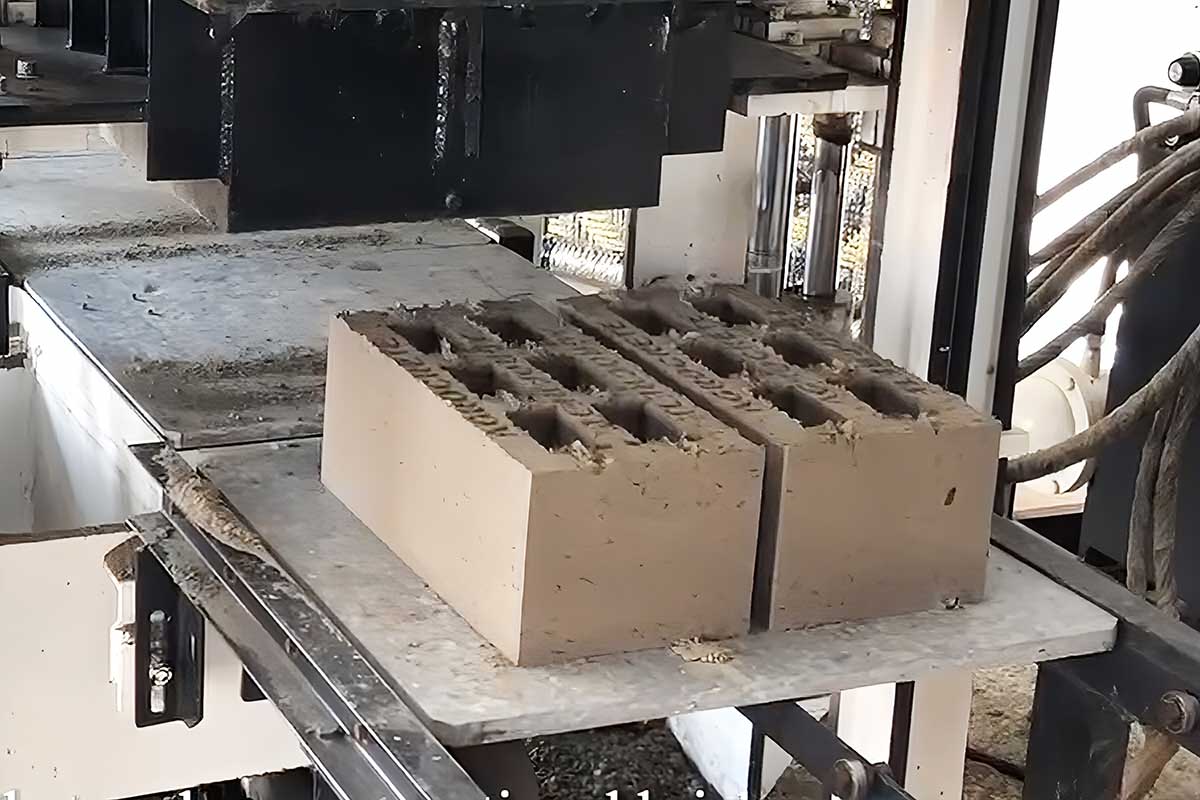
Goodbye to the traditional clay brick: Indian startup transforms burnt straw into a carbon-negative brick that costs half, insulates better, and even removes CO2 from the air.


About the PERI Group
With roots in Germany and presence in the USA, the PERI Group not only prints houses but is shaping the future of the construction industry.
If you’re keeping an eye on the latest in construction technology, it’s impossible not to have heard of the PERI Group. With over 9,000 employees spread across more than 70 countries, this German company has ambitious goals: to revolutionize the construction industry.


