Portuguese
  Spanish


In Germany, early childhood education follows a model that prioritizes the autonomy of children from the early years. Going to school without parents, helping in the kitchen with real utensils, and managing their own free time are common practices in German families, who see early independence as the way to form resilient and responsible adults.
German children grow up in an environment where independence is not only tolerated but actively encouraged by parents and the state itself. At 11 years old, going to school alone, returning home unsupervised, and preparing part of their own meal using a sharp knife are routines that do not raise eyebrows in any family in the country. For many Brazilians, this level of autonomy may sound risky or even negligent, but in Germany, it is part of a consolidated educational philosophy that spans generations and is supported by public policies for early childhood.
The German model is based on a simple premise: children who learn to handle real responsibilities from an early age become adults better prepared to face frustrations, make decisions, and solve problems. The routine of families like the Strotmans from Emsland and the Schmids from Berlin illustrates how this philosophy works in practice. Lena and Max, 11-year-old twins, make the school journey without supervision, have lunch at home while their mother works part-time, complete their homework in 30 minutes, and organize the rest of their day on their own. For the parents, this is not neglect; it is method.
How Germany structures support for families from birth

According to information released by the DW Spanish channel, the German state offers a support network that begins even before the child turns one year old. During the first 14 months, parents are entitled to paid leave at 65% of their salary, and the couple can divide the period as they wish. This policy was designed to promote greater equality in child-rearing and allow both parents to actively participate in the early developmental milestones.
-
New York removed the tracks from over 2,500 subway cars and dumped everything at the bottom of the Atlantic, and what seemed like trash turned into an artificial reef teeming with fish and divers.

-
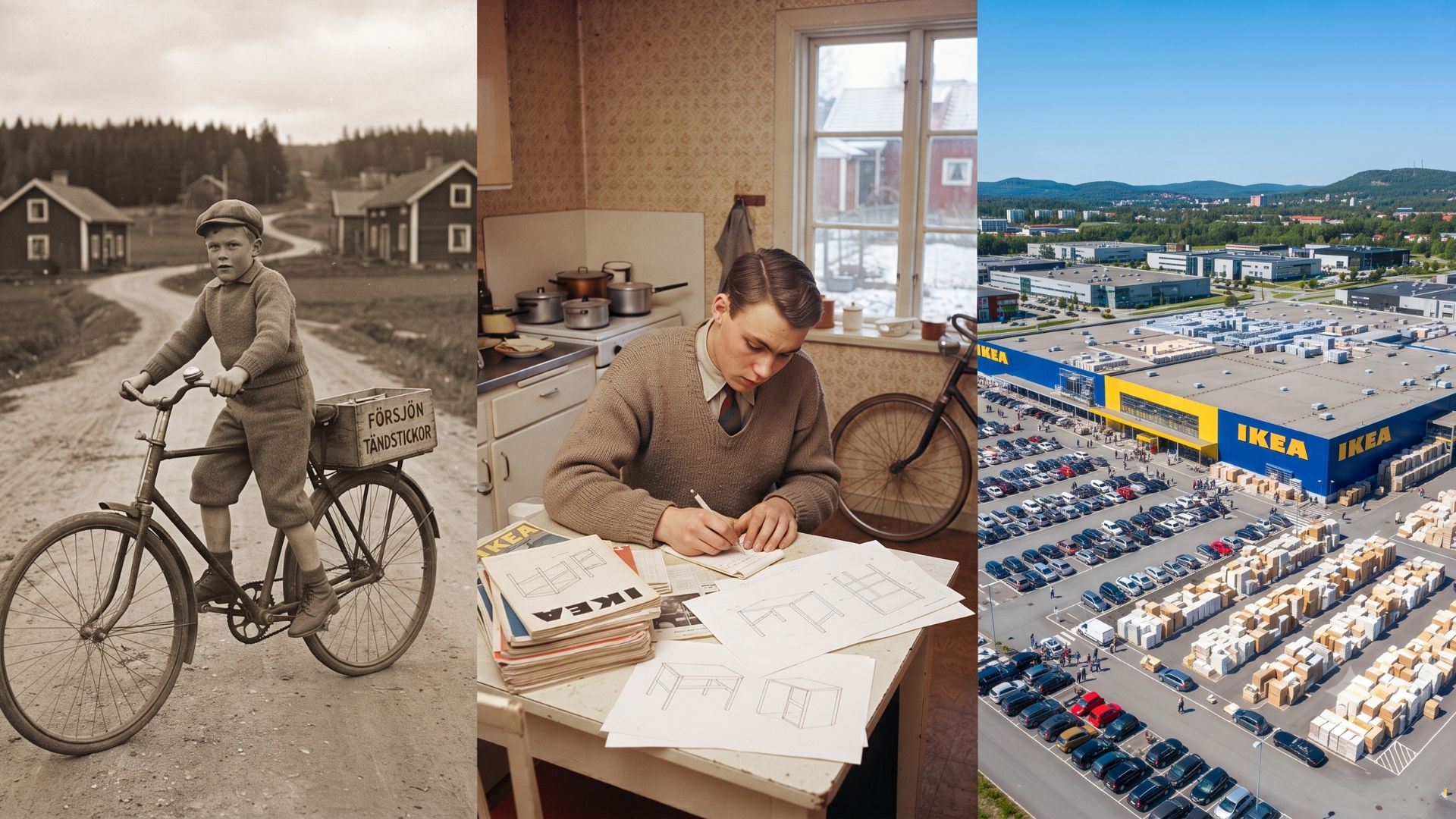
From matches sold by bicycle at age 5 to a global furniture empire: the lumberjack’s son founded IKEA at 17 in his uncle’s kitchen and transformed a small company into the largest furniture retailer on the planet.
-
The mansion in Flamengo, built in 1865 for the Baron of São Clemente and closed for 20 years, has become a spa, event hall, and gym for “Symphony,” a luxury condominium that sold 70% of its gross development value in the first month on the R$ 60 million land of the former Bennett College.

-
The Ipiranga convent, a 1924 building adjacent to the Museum that remained vacant for a decade and became home to dozens of cats, is reborn as “Alma Mater,” a luxury development worth R$ 130 million with a pool in the courtyard and a clubhouse in the former nuns’ chapel.




In practice, most men still opt for the minimum required two months of leave, and household tasks continue to disproportionately fall on mothers. Nevertheless, the model ensures parental presence during a critical phase. From the age of one, every child in Germany has the right to a spot in daycare or kindergarten, although many families choose to enroll their children only at the age of three. The cost varies: in some federal states, the service is free, while in others it can exceed a thousand euros per month.
What German children learn in daycare that goes beyond school content

The role of daycare in Germany goes far beyond providing a safe space while parents work. The institutions function as laboratories of social interaction, where children are exposed to different opinions, contradictions, and conflicts that they need to resolve without the constant mediation of an adult. Play is treated as a fundamental educational activity, not as a pastime.
It is during play that the child learns to negotiate, to make concessions, and to deal with the frustration of losing. Experts in German early childhood education argue that this type of experience builds tolerance and adaptability much more effectively than any formal content applied before the age of six. Daycares operate on a broad schedule, from 6:30 AM to 5:30 PM, ensuring flexibility for families where both parents work outside the home.
The school routine that prioritizes free time instead of scheduled activities
The German school system operates on a half-day basis for most students in the early years. Children usually return home between 1 PM and 2 PM, which opens up a generous block of free hours in the afternoon. Half of the students have lunch at home instead of staying at school, which requires a degree of autonomy that starts early: heating food, using real cutlery, and, in many cases, preparing small meals by themselves.
Most German parents resist the temptation to fill this free time with scheduled activities. The prevailing philosophy is that the child needs space to organize their own day, choose their play activities, and learn to manage boredom. This does not mean a lack of structure: half of the children and young people in Germany practice sports in clubs outside of school, but the choice of activity and commitment to training are treated as decisions made by the child, not impositions from the parents.
Independence in practice: what German families do differently
The Strotman family illustrates well the balance between protection and autonomy that characterizes German education. Lena practices competitive gymnastics, Max plays soccer at a local club, and both manage their training schedules, homework, and leisure with minimal interference from their parents. In the kitchen, the children handle sharp knives under initial guidance, but without constant supervision. For their mother, Rebeca, this is a natural part of growing up.
The Schmid family from Berlin shows another side of the same model. Beat and Conrad shared parental leave and enrolled their son Casimir in daycare at one year old. The father emphasizes that being present during the phase when the child starts to walk and explore the environment was a transformative experience. The focus is on allowing children to experience real situations, including small controlled risks, rather than growing up in an overly protected environment.
What the German model can teach about parenting
The education format practiced in Germany is not perfect or free from internal criticism. The inequality in the division of tasks between fathers and mothers, the variation in costs between states, and the pressure on women who work part-time to balance career and family are points that the country still debates. But the central principle, that children need real autonomy to develop, is supported by decades of practice.


The message that German families convey is clear: protecting does not mean isolating. The most important thing is that children feel safe at home while also having the freedom to test their limits outside of it. Valuing independence, accepting children as they are, and providing an environment where making mistakes is part of learning seems to be, for Germans, the most honest formula for preparing someone for adulthood.
Do you agree with the German model of giving children so much independence from an early age, or do you think the Brazilian reality requires a different approach? Share in the comments how autonomy is part of your family’s routine; we want to know how this topic resonates in your experience.