Portuguese
  Spanish



Iran Is Using An Advanced Laser Energy Weapon, Developed By China, To Destroy Drones
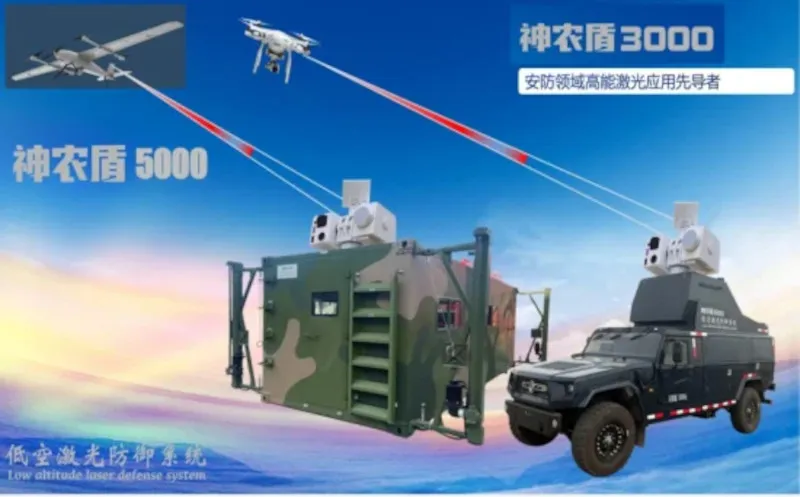
Iran has been caught using an advanced drone defense system, featuring a directed energy laser weapon allegedly made in China. This system, which primarily aims to dazzle or even destroy drones in specific situations, is a new indication of the strengthening of the anti-drone capabilities of the country.
Iran, widely known for its proliferation of unmanned aerial systems, such as kamikaze drones, ironically faces the same types of threats, especially from Israel.
The system was detected in Tehran during a significant event: the rare public sermon by Iran’s Supreme Leader, Ayatollah Ali Khamenei, conducted last week.
-
How Much Does Starlink Satellite Internet Cost for Cars, Trucks, and RVs? Prices for Antenna, Accessories, and Plans

-
Scientists Convert Food Waste into Aviation Fuel, Successfully Test 50% Blend with Conventional Kerosene to Cut Emissions and Promote Sustainable Flights
-
OnePlus N6 Smartphone to Launch in India with 8,000mAh Battery and 45W SuperVOOC Charging, Lasting Up to Three Days
-
Scientists Plan to Release Air Bubbles Underwater to Protect Antarctica’s “Doomsday Glacier” from Melting





The presence of the equipment is part of security measures, especially at a time of high tension in the region. During the sermon, Khamenei defended Iran’s recent ballistic attacks against Israel and praised actions by Hamas that contributed to the escalation of conflicts in the Middle East.
Advanced Defense System, But With Doubts About Its Origin
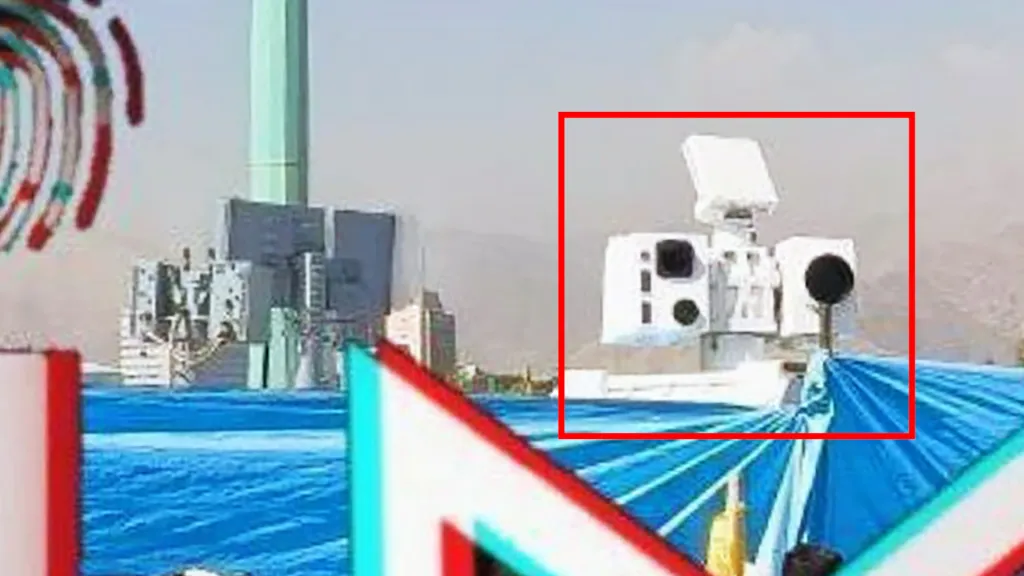
Images shared on social media show the supposed laser anti-drone system, which many experts quickly identified as the “Silent Hunter,” a well-known Chinese weapon.
However, a closer analysis of the photos suggests that the equipment in question may be another weapon, the “Shen Nung,” also of Chinese manufacture. Although both systems exhibit design similarities, such as towers with circular openings for the laser and small radars for tracking, there are subtle differences between them.
The Silent Hunter, for example, has a large opening on the right side of the mast, while the system photographed in Tehran features this opening on the left side, with another square-shaped one on the right. These details led analysts to suspect that it is the Shen Nung, another Chinese system that has also been made available in portable and vehicle-mounted versions.
The Shen Nung is capable of detecting drones at a distance of up to five kilometers, with a laser that can dazzle targets at about three kilometers and destroy them at approximately one and a half kilometers. Although effective, the system has limitations, such as needing pauses to reload and cool the laser after a few seconds of continuous use.
The Importance of Directed Energy Weapons
Directed energy weapons, like the Shen Nung laser, are gaining traction in modern defense as they offer an “unlimited magazine depth,” since they do not rely on physical ammunition.
This makes them ideal for combating drones, which are becoming an increasingly common threat, especially in asymmetric warfare scenarios.
However, as experts point out, these weapons have disadvantages. They can only target one enemy at a time, unlike high-power microwave systems that can neutralize multiple drones simultaneously.
In Iran’s case, it appears that a combination of different technologies was used to protect Khamenei, with the laser being just one layer of defense.
Other systems visible in the photos include a possible electronic warfare jammer and even an additional radar. These components form an integrated and multilayered defense, ideal for dealing with different types of drones, from small and fast ones to more advanced ones that may be used in coordinated aerial attacks.
Sino-Iranian Cooperation in Defense
The use of Chinese technology by Iran is not surprising. The two countries maintain a close relationship in various areas, including military cooperation.
China has been a key source of modern weapon systems for Iran, helping the country to modernize its armed forces, despite international sanctions.
It is likely that the anti-drone system detected in Tehran was acquired directly from China, or even produced locally under license, something common in military agreements between the two countries.
The rapid implementation of these technologies is a priority for the Iranian government, especially to protect important figures like the Supreme Leader, who is a prime target for his enemies, primarily Israel.
Regional Security
Khamenei’s public appearance comes at a time of increasing tensions in the Middle East. Iran has been the target of coordinated attacks from Israel, which uses a combination of armed drones, ballistic missiles, and intelligence operations to eliminate key figures linked to organizations hostile to the Israeli state, such as Hamas.
The latest example was the assassination of Ismail Haniyeh, Hamas leader, in Tehran, in an attack that allegedly involved a bomb planted in his residence.
Israel is known for its ability to carry out targeted assassinations, and the use of kamikaze drones is just one of the tools at the country’s disposal. Therefore, it is not surprising that Iran is reinforcing its defenses, especially against unmanned aerial threats.
Furthermore, the use of new anti-drone defense technologies highlights the complexity of modern warfare, where control of airspace is a decisive factor.