





 Portuguese
  English
  Spanish
  2 min of reading
  0 comments


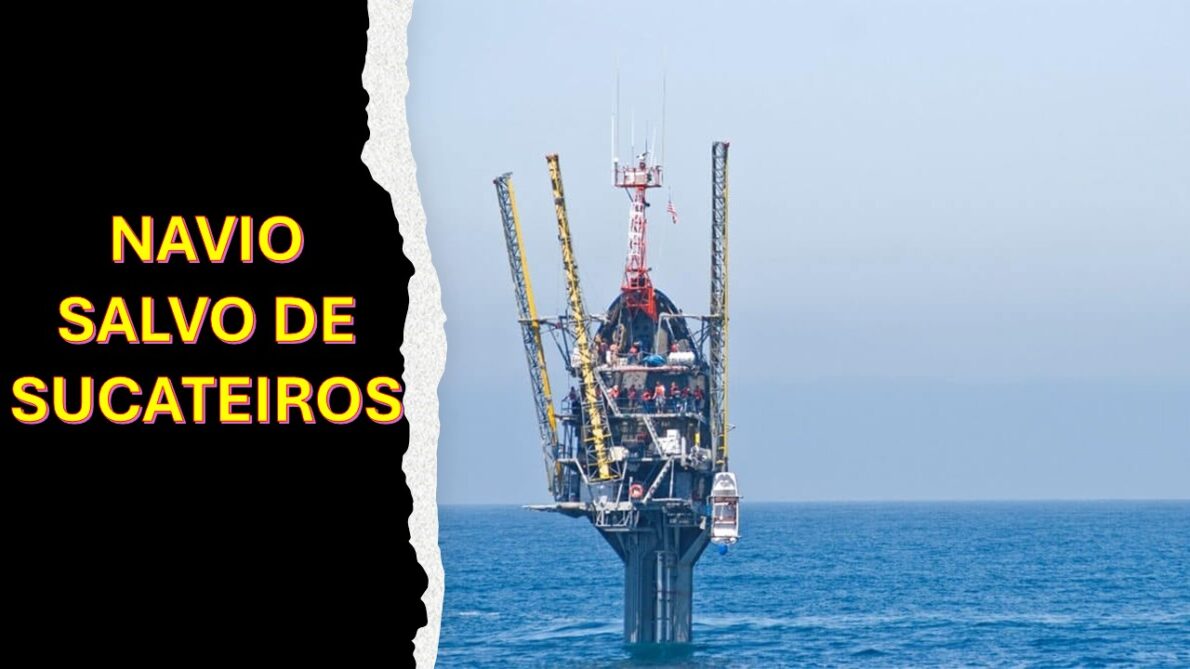
Incredible Turnaround: Unique Scientific Ship in the World Escapes Destruction and Will Return to the Sea!
Few ships are as extraordinary as the RV FLIP – a vessel designed to “capsize” on purpose, rotating 90 degrees to conduct deep ocean research. But recently, the fate of this innovative ship was at risk. With over 50 years of history, the RV FLIP was nearly dismantled for scrap, until a fascinating rescue operation saved this invaluable piece of science and technology.
Now, the FLIP is ready to return to the ocean and once again challenge the waters of the Pacific in new scientific research, delighting the world with its ability to literally “flip” in the sea and stand upright.
RV FLIP: An Icon of Scientific Research
Since its creation in the 1960s, the RV FLIP has revolutionized the way scientists study the ocean. Built by the physics laboratory of the Scripps Institution of Oceanography, the ship was designed to float vertically, a feat that drastically reduces wave impact and allows for extremely precise observations of the depths.
-
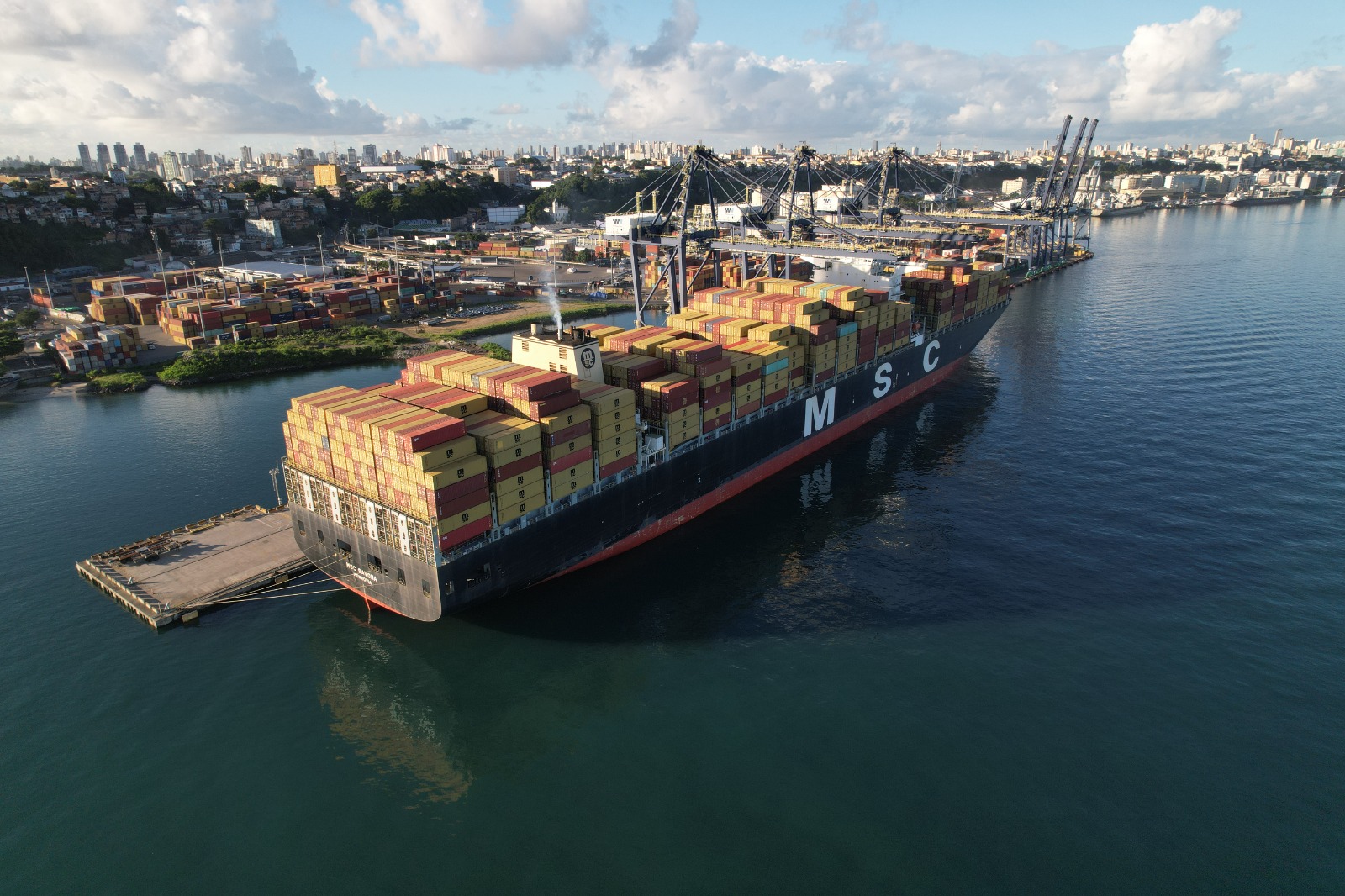
Ship that departed from China on March 30 arrives in Salvador with 44 containers, 1,550 metal pieces, and over 800 tons of equipment, marking the beginning of the largest bridge over the sea in Latin America, a mega-project of 12.4 km that will use unprecedented technology on the continent.

-
While modern pilots respect a minimum altitude of 300 meters, a P-51 flew under the Eiffel Tower chasing a Bf 109 in 1944.

-
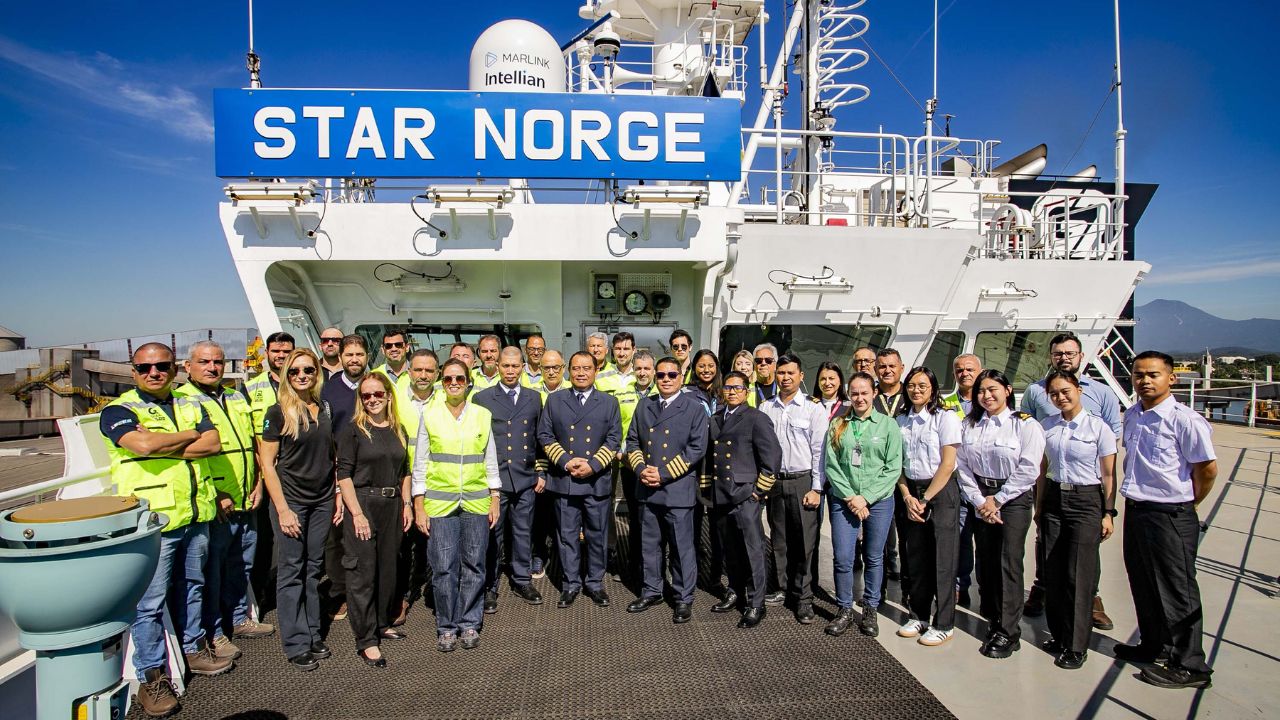
Port of Paranaguá receives Star Norge, a sustainable ship from Norway, with 14,200 tons of cellulose
-
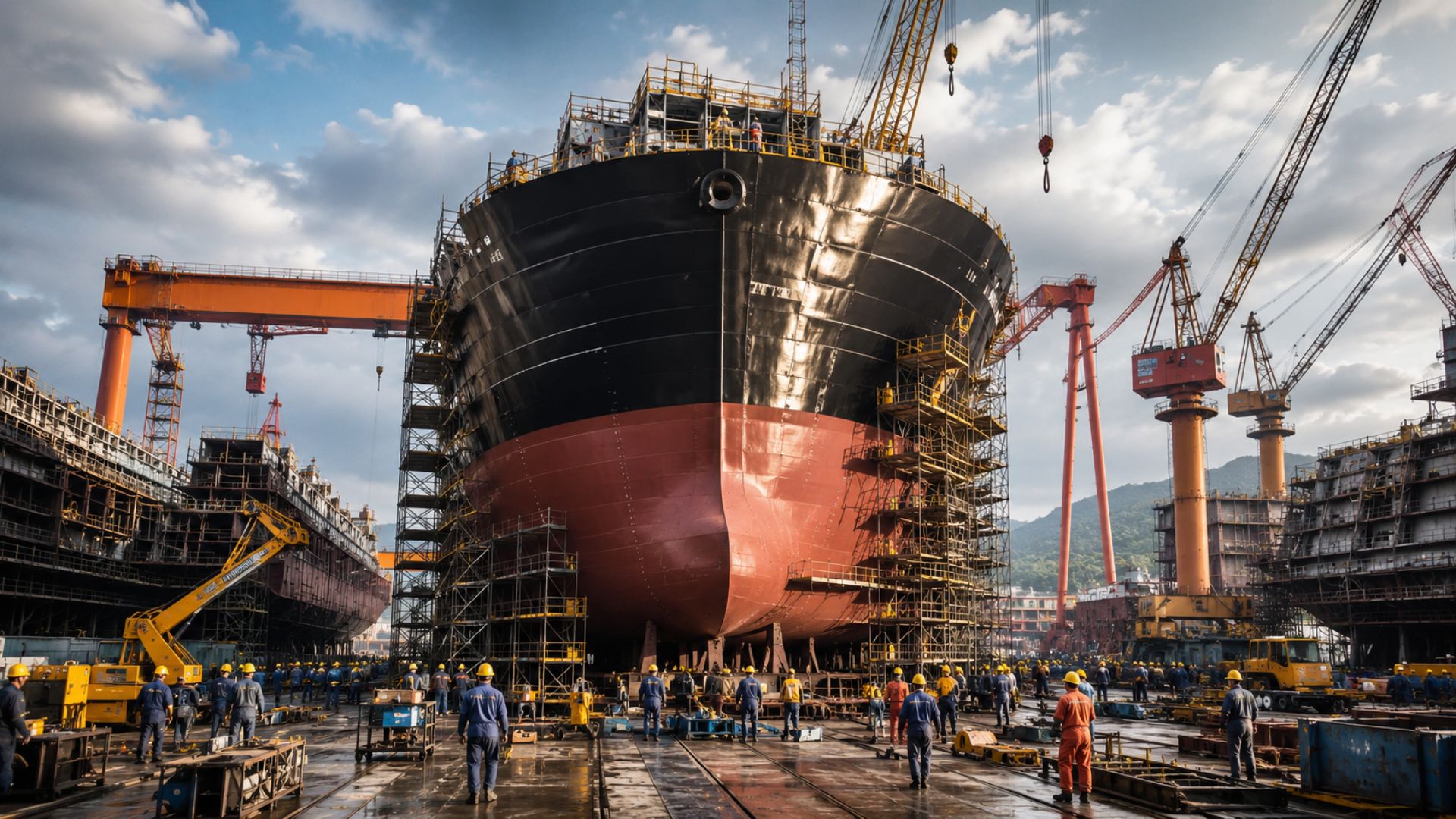
While South Korea and Japan try to regain ground in shipbuilding, China is surging as a powerhouse in the sector and already controls almost 90% of global ship orders.


With a 108-meter design, the FLIP defies everything we know about traditional vessels. Its ability to intentionally “capsize” allows researchers to analyze sounds, currents, and even climate changes from a unique perspective. This iconic ship has become a symbol of innovation and scientific boldness.
A Heroic Rescue for Science
The future of the RV FLIP looked grim when it was scheduled to be decommissioned and dismantled. But the scientific community and maritime enthusiasts rallied. The passion for knowledge and the potential of the ship was the force that drove the salvation of the FLIP, an effort that united scientists, engineers, and history enthusiasts. Thanks to this determination, the FLIP was saved from the jaws of dismantling and is guaranteed a return to the ocean for new scientific missions.
A New Horizon for Discoveries
The RV FLIP is once again ready to cross the ocean and explore the unknown. With its peculiar structure and inspiring history, it serves as a reminder that science requires not only innovation but also preservation of scientific heritage. Its next journey promises to bring forth new discoveries, reaffirming its status as one of the strangest – and most fascinating – research vessels in the world.
The RV FLIP is prepared to continue revolutionizing maritime research, literally turning to face the mysteries of the sea.






Be the first to react!