Portuguese
  Spanish


Scientists And Environmentalists Are Using Mats Made From Human Hair As An Efficient And Ecological Alternative To Absorb Oil Spills In The Oceans.
Lisa Gautier, founder of the organization Matter of Trust, receives nearly a dozen packages containing human hair daily. For many, this might seem strange, but for Gautier, these strands represent a unique opportunity to help the planet.
Based in San Francisco, her organization transforms donated hair into mats and ecological barriers used to combat oil leaks on land and at sea.
Human Hair For Oil Cleanup
Traditionally, cleaning up oil spills uses polypropylene mats, a non-biodegradable plastic.
-
16-Year-Old from Brazil’s Sertão Wins Young Scientist Award for AI Predicting Rainfall with 94.5% Accuracy to Aid Farmers

-
Netherlands Reports First Child Euthanasia Case Since Rule Expansion for Minors

-
Brazilian Innovator Survives Homemade Submarine Dive in Paraty Despite Hatch Leak and False Oxygen Alarm
-
China Develops Custom 140-Ton Electric Mining Truck with 770 kWh Swappable Battery, Deploys 290 Units in Xinjiang’s Largest Zinc Mine



However, this approach contributes to the environmental problem, as its production relies on petroleum. On the other hand, human hair offers a renewable and efficient alternative. It can absorb up to five times its weight in oil, making it a powerful tool for dealing with environmental disasters.
With approximately 900,000 licensed salons in the U.S., Gautier points out that the volume of discarded hair each week is significant. “Our goal is to divert this from landfills and turn it into something useful. It makes much more sense to use a renewable resource to clean oil than to rely on more thickness,” she states.
Oil Spills: A Global Problem
Oil spills pose a threat to public health, biodiversity, and the economy. In 2021, the U.S. recorded 175 incidents of this type, while globally, more than 10 million tons of oil were spilled by tankers.
Even small spills can have large impacts: just one liter of oil can contaminate one million gallons of drinking water.
Recent cases in Thailand and Peru, which together amounted to over 513,000 gallons of oil spilled, illustrate the severity of the problem. Gautier highlights that these events, while tragic, represent only a fraction of the pollution caused by oil. Smaller spills from vehicles and natural seepages are also specific to the environment.
Beginning Of A Creative Solution With Human Hair
The idea of using hair to absorb oil originated in 1989, with hairstylist Phillip McCrory. His prototype was tested by NASA and deemed functional. Years later, Gautier and her partner, Patrice Gautier, joined McCrory to develop barriers and treatments made from human and animal hair.
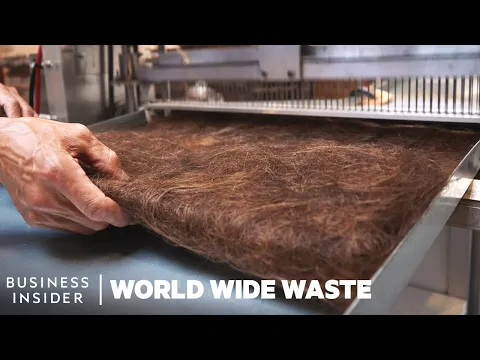
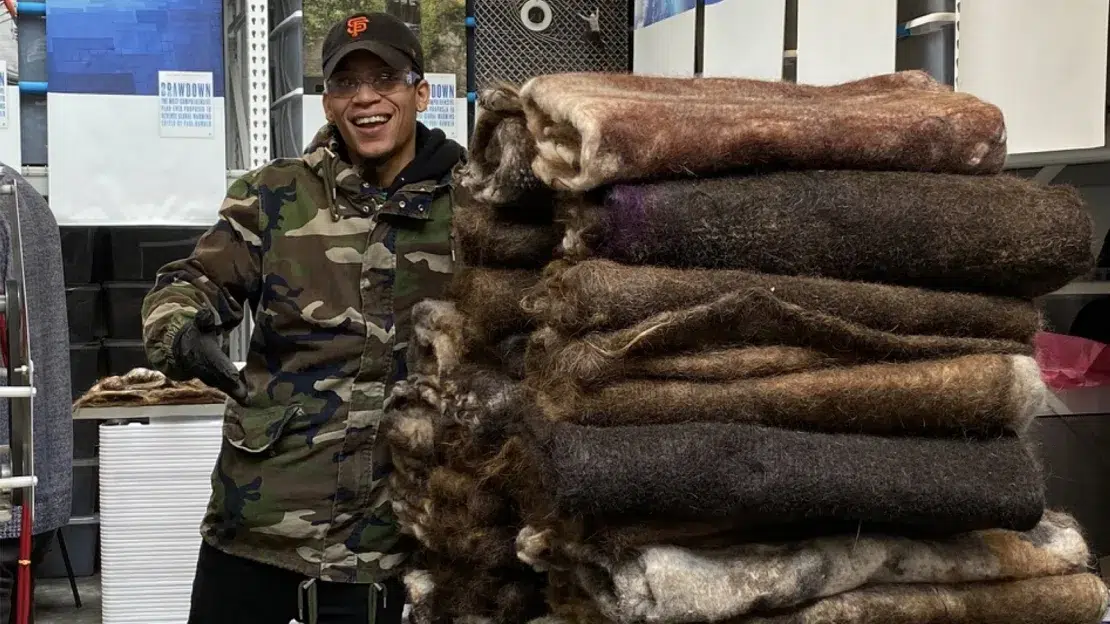
Today, Matter of Trust receives donations from salons, animal groomers, and individuals. After screening to remove contaminants, the hair is transformed into mats using a custom felting machine. Each mat can absorb up to 5.6 liters of oil, playing a crucial role in environmental cleanup.
Results And Challenges
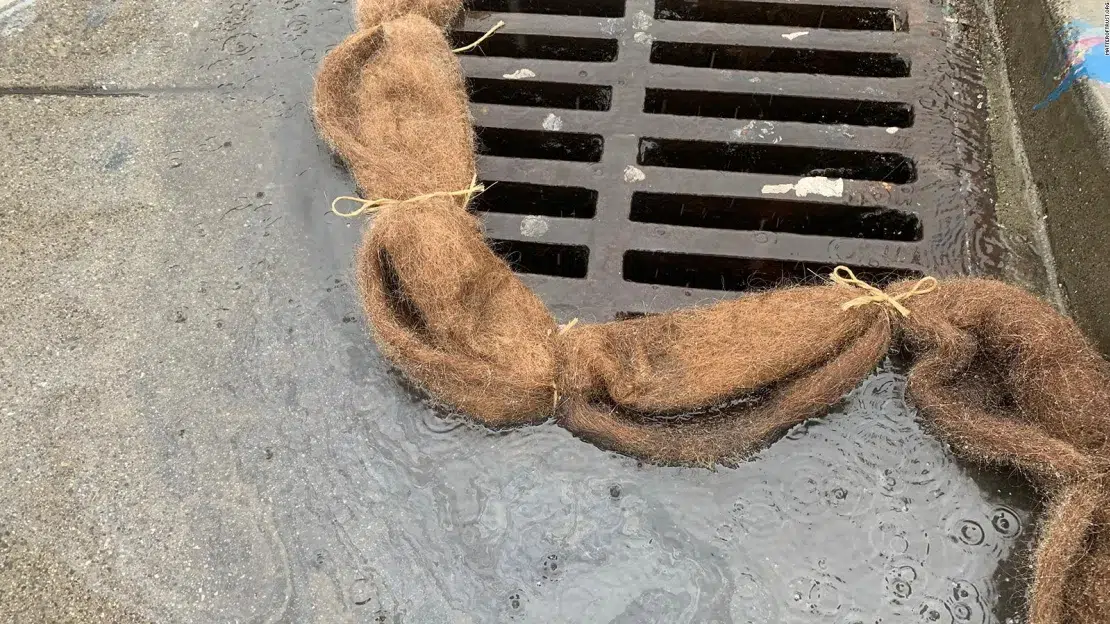
Since its founding, Matter of Trust has produced over 300,000 barriers and 40,000 hair mats, which have been used in disasters such as the BP oil spill in the Gulf of Mexico in 2010. Additionally, the organization addresses local needs, such as the decontamination of storm drains and the absorption of oil from leaking vehicles.
Despite their advantages, hair mats are not perfect. They are single-use and can only be disposed of by incineration or composting. Researchers like Megan Murray from the University of Technology Sydney are exploring methods to repurpose these mats by extracting the oil and extending their lifespan.
A Global Solution
Matter of Trust has expanded its network to 17 countries, including Finland, Japan, Chile, and Rwanda. The decentralized approach allows local partners to produce products from regionally sourced hair. As the designs are not patented, other groups, such as the Green Salon Collective in the UK, have also joined the initiative.
For Gautier, the movement is a collective triumph. “Anyone can make a hair mat. It creates green jobs, cleans water, reduces waste in landfills, and promotes the use of renewable resources.”
Sustainable Future
The innovation behind hair mats offers an inspiring vision of how discarded materials can be repurposed for the benefit of the environment. With ongoing research and a growing global network, Gautier’s idea has proven that even small gestures can create a significant impact. And while the fight against pollution continues, creative solutions can be a true weapon against environmental disasters.