






 Portuguese
  Spanish


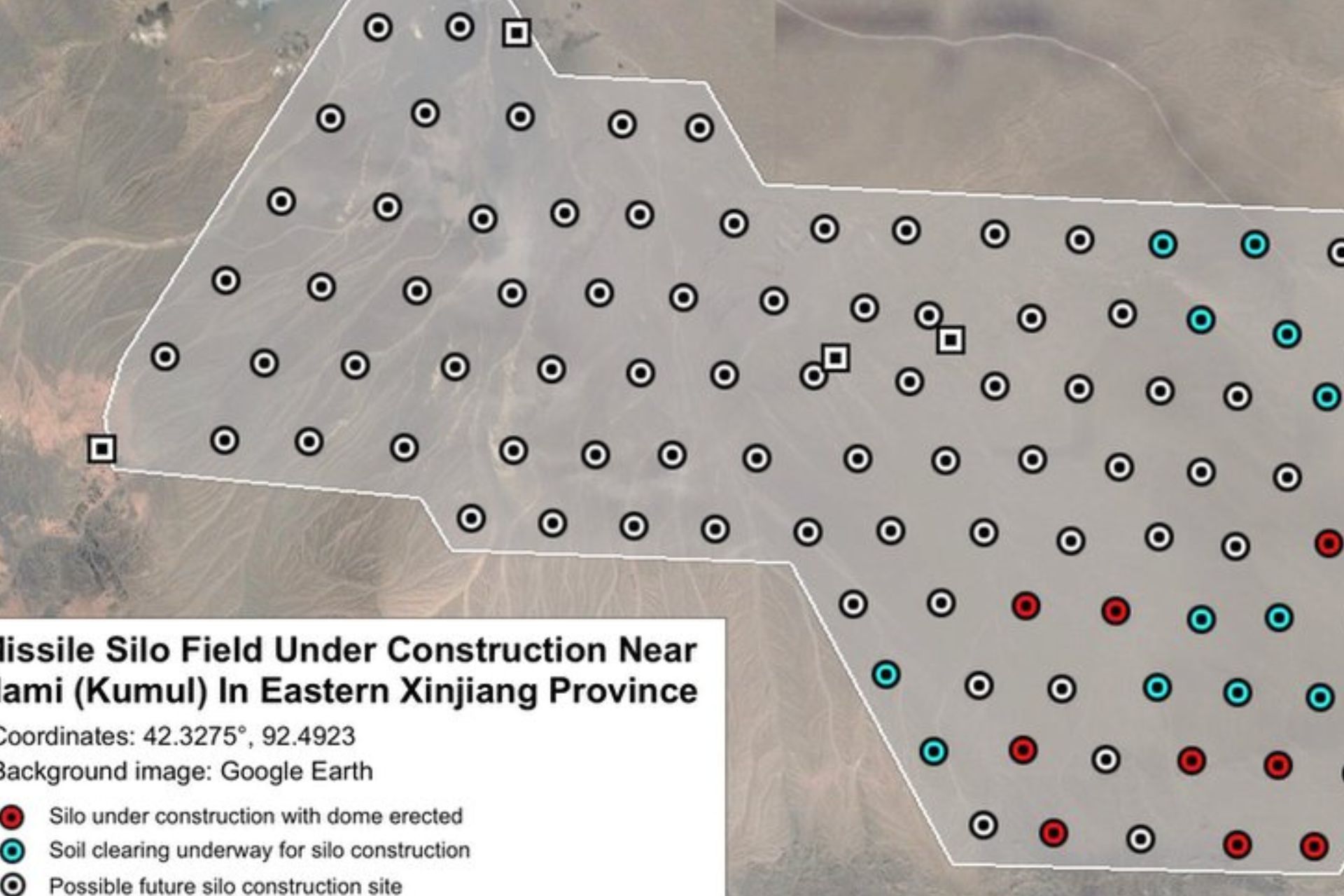


Chinese Underground Network Estimated In Thousands Of Kilometers And New Silo Fields Reinforce Nuclear Second Strike And Strategic Dispersal Strategy.
In 2011, a study conducted by researchers affiliated with Georgetown University drew attention to a possible Chinese military underground network with an estimated length of thousands of kilometers. The work, based on open analysis and public statements, suggested that the People’s Liberation Army Rocket Force of China has built over decades an infrastructure of tunnels aimed at protecting and dispersing strategic nuclear vectors. Since then, satellite images and reports from the U.S. Department of Defense have reinforced the idea that China maintains an extensive underground architecture linked to its second strike capability.
Although the Chinese government does not officially disclose the total extent of this network, academic estimates mention numbers exceeding 3,000 kilometers of tunnels primarily distributed in mountainous regions of the north and central parts of the country. At the same time, recent analyses have identified the construction of hundreds of new launch silos in areas such as Xinjiang and Gansu, expanding China’s strategic land-based capability.
Origin And Strategic Logic Of Chinese Underground Infrastructure
The construction of underground military facilities in China dates back to the Cold War period, especially after the Sino-Soviet tensions of the 1960s. The fear of nuclear attacks led the country to heavily invest in excavation engineering and the protection of strategic assets underground.
-
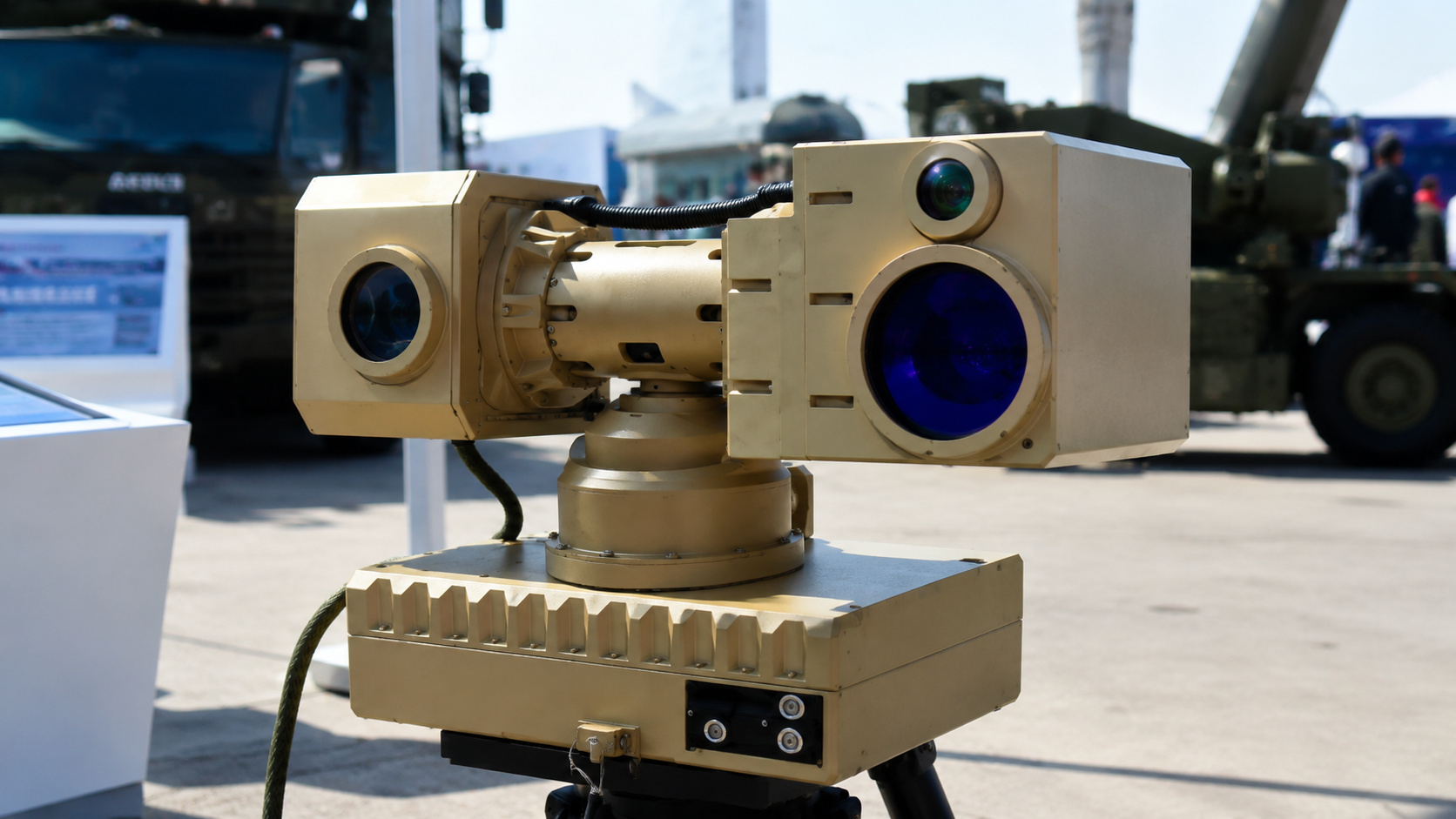
China Unveils Laser Weapon Capable of Instantly Neutralizing Military Drones, Marking a Significant Advancement in Air Defense Technology

-
U.S. Navy’s Ticonderoga-class Cruiser Becomes a 9,800-Ton Missile Fortress with Advanced Aegis System Capable of Tracking Hundreds of Targets

-
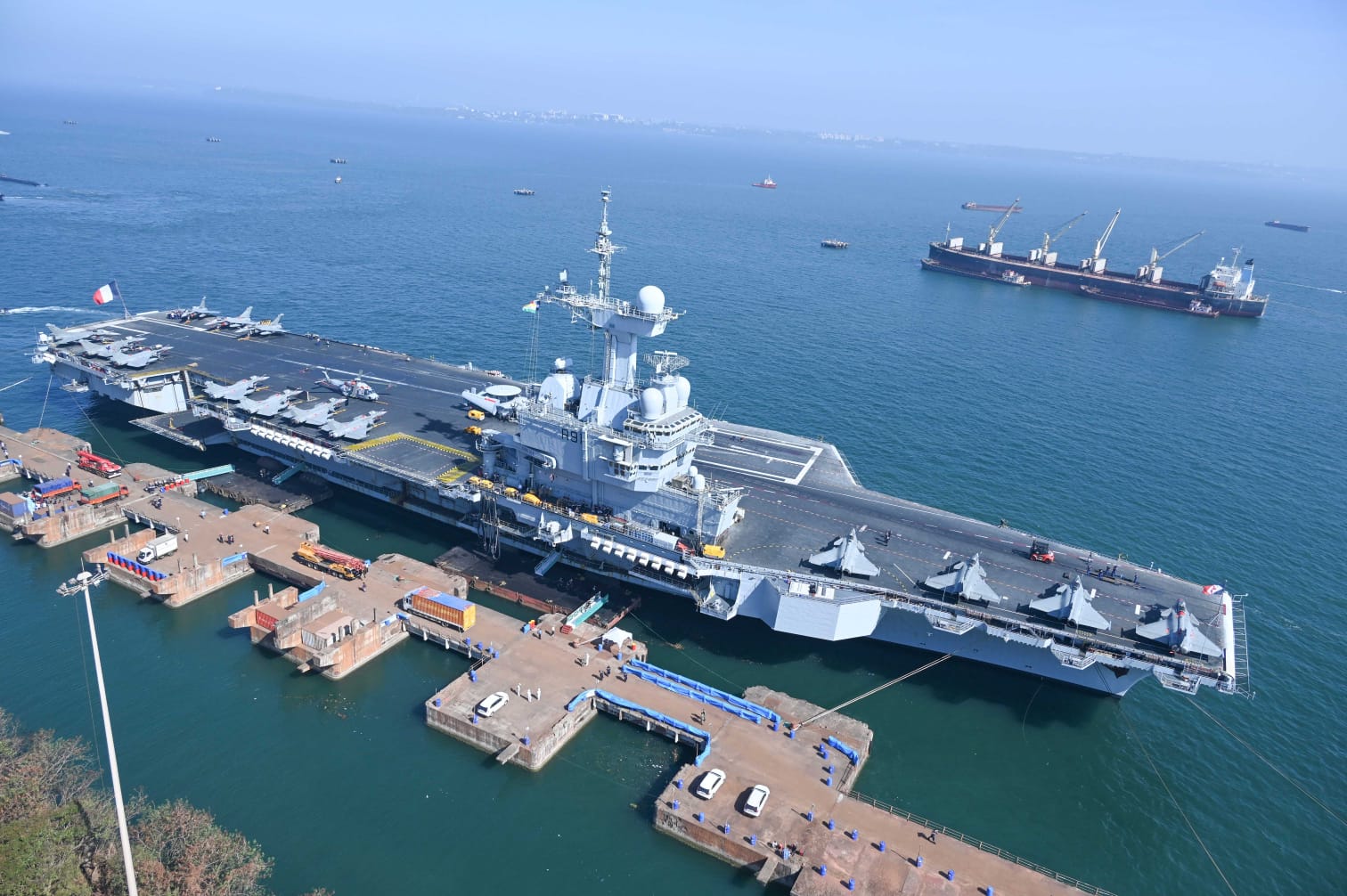
France’s Charles de Gaulle: The Sole Nuclear-Powered Aircraft Carrier Outside the US, Weighing 42,500 Tons and Equipped with Two Atomic Reactors

-
The military spaceplane that almost took the Cold War into orbit: Boeing X-20 Dyna-Soar was designed to re-enter above Mach 20, fly for up to 40 hours, land like a plane, and transform Titan rockets into a gateway to a new era of orbital warfare.


The so-called “Great Underground Wall” is not an official name but an expression used by analysts to describe this set of interconnected tunnels. The logic behind the infrastructure is to increase the survivability of the land-based nuclear arsenal, making it more difficult to locate and neutralize in the event of a preemptive strike.

Unlike fixed isolated silos, the underground network allows internal mobility. Missiles transported by mobile platforms known as TELs (Transporter Erector Launchers) can remain protected inside tunnels and emerge only when necessary.
This capability increases strategic uncertainty. If the adversary cannot determine the exact position of each vector, it becomes extremely difficult to eliminate the entire response capability.
Structural Engineering And Strategic Dispersal Of Vectors
The construction of military tunnels for nuclear purposes requires specialized engineering. Excavations in mountainous regions provide natural protection against direct impacts and shock waves. Furthermore, the use of reinforced concrete and blast doors increases structural resilience.
The tunnels can house not only missiles but also command and control centers, redundant communication systems, and storage areas for warheads. Internal dispersal allows for strategic movement without direct exposure to satellite surveillance.
Alongside the underground infrastructure, recent reports from the U.S. Department of Defense indicate that China has built over 300 new silos in fields identified through commercial satellite imagery. These silos are associated with missiles such as the DF-41, an intercontinental vector with an estimated range exceeding 12,000 km.

The combination of hardened silos and underground networks enhances the dispersal architecture. While the silos represent fixed launch points, the tunnels allow for mobility and concealment.
Integration With The Nuclear Second Strike Doctrine
The second-strike doctrine is based on the capability to retaliate after suffering an initial attack. For this capability to be credible, part of the arsenal must survive.
The Chinese underground network contributes directly to this logic. By dispersing vectors beneath mountains and geographically distributing them, the probability of complete neutralization decreases.
Strategic reports indicate that China has been modernizing its nuclear arsenal, expanding both the number of vectors and the associated infrastructure. The growth of silo fields in remote areas complements the underground system, creating multiple layers of protection and dispersal.
Furthermore, internal mobility reduces dependence on long external movements, which could be monitored by satellites or intelligence sensors.
Scale, Estimates And Limits Of Public Information
The often-cited figure of over 3,000 kilometers of tunnels is based on academic analyses and indirect estimates. There is no official confirmation of the total extent of the network.
Similarly, the identification of hundreds of silos results from the interpretation of satellite images by independent analysts and foreign government agencies.
It is crucial to differentiate between data confirmed by images and strategic estimates. The construction of new silo fields has been widely documented by commercial imaging companies and military reports. However, the total extent of the underground network remains a subject of debate.
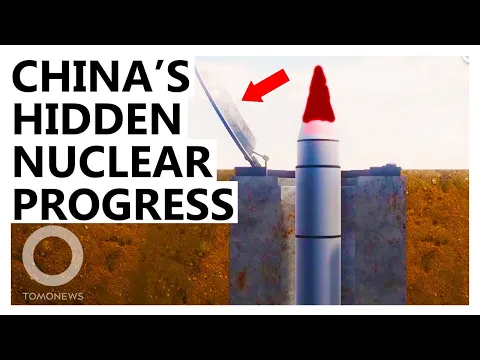
Still, the consensus among analysts is that China has significantly invested in hardened infrastructure as part of its nuclear modernization strategy.
Geopolitical Impact And Strategic Balance
The expansion of Chinese underground infrastructure occurs in the context of increasing strategic competition among major powers. The United States and Russia also maintain hardened systems and dispersal capabilities.
The Chinese particularity lies in the combination of extensive tunnels with new silo fields and mobile missiles. This hybrid architecture increases the complexity of any preemptive strike planning.
From a strategic perspective, uncertainty is a central element. The difficulty in accurately quantifying the number and location of available vectors strengthens the credibility of the second strike.
The so-called “Great Underground Wall” is not just a historical metaphor. It represents a modern application of geological engineering in service of nuclear deterrence.
More than individual missiles, the invisible infrastructure beneath mountains and deserts redefines strategic survivability calculations. In a scenario of global nuclear modernization, the combination of extensive tunnels, hardened silos, and mobile vectors places underground engineering at the center of contemporary strategic balance.
The Chinese underground network remains partially hidden, but its strategic impact is visible in how other powers assess risks, investments, and surveillance systems. 21st century deterrence relies not only on range and power but on the ability to protect, disperse, and conceal critical assets beneath layers of rock and concrete.


ENQUANTO ISSO O BRASIL SÓ OBSERVA.