






 Portuguese
  Spanish
  3 min of reading


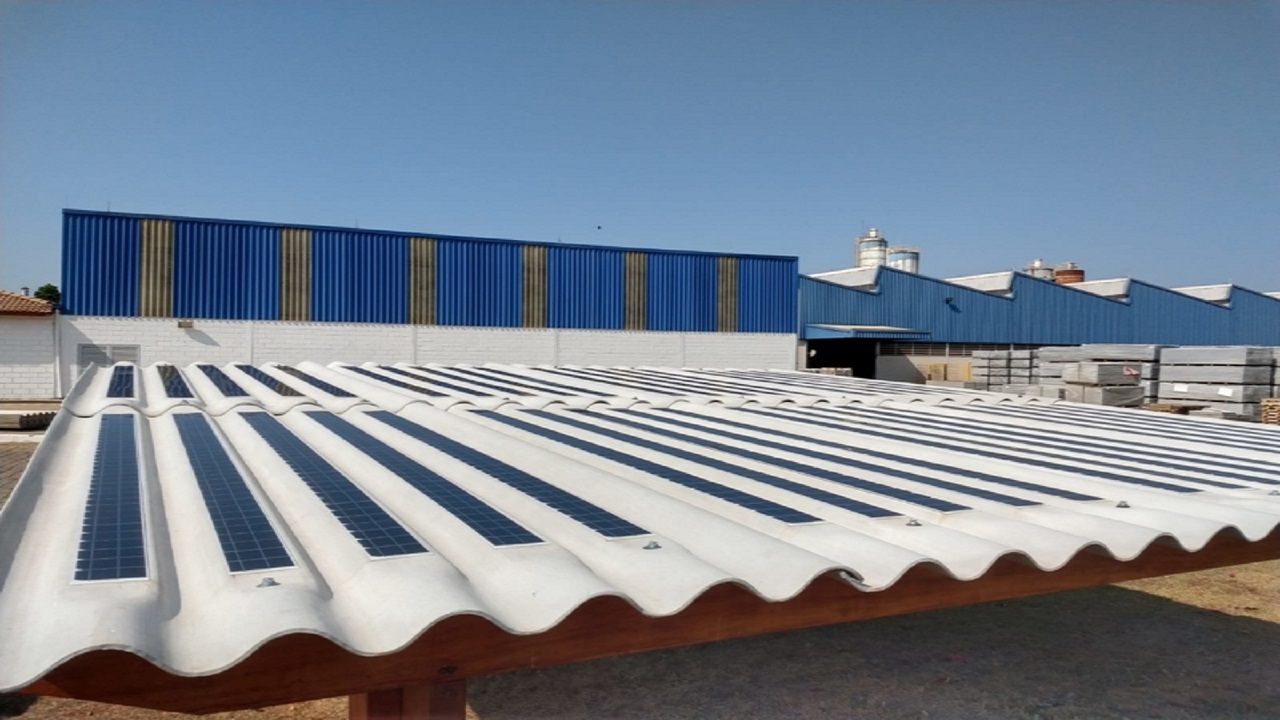
With Inmetro Certification, Eternit Will Now Finalize The Other Changes To The Tile To Adapt It To The Customer Profile. The Schedule For Marketing The Fiberglass Photovoltaic Tile Should Be Released Still This Year, Already With Average Sale Price
Inmetro Granted Eternit Official Registration This Week For The First Fiberglass Photovoltaic Tile In Brazil, Named Eternit Solar. After Several Tests Were Conducted At The Institute Of Energy And Environment Of The University Of São Paulo (IEE-USP), The New Photovoltaic Tile Now Has Certification Under Registration No. 008434/2021.
Read Other Related News
Eternit Celebrates Inmetro Certification Of The New Fiberglass Photovoltaic Tile
In Addition To IEE-USP, Eternit’s Fiberglass Photovoltaic Tile, Model F-140, Also Has Installations At The Federal University Of Santa Catarina (UFSC) And At The Factory In Atibaia, São Paulo, Where The Tégula Solar Concrete Tile Is Already Produced, Which Was The First Photovoltaic Model Manufactured And Sold By The Company In August 2021, Also Certified By Inmetro.
According To Luís Augusto Barbosa, President Of Eternit, This Is Considered A Revolutionary Technology, Already Incorporated Into The Company’s Strategic Plan, Aiming To Democratize Access To Solar Energy Through 100% Renewable Sources.
-
Brazilian scientists are simultaneously advancing two research projects on clean hydrogen and driving solutions that could transform the energy matrix, enhance industrial competitiveness, and accelerate large-scale emission reduction targets.

-
Advancement in renewable energy: A R$ 150 million project launched by Petrobras and Finep aims to create state-of-the-art electrolyzers for green hydrogen, strengthening national research and preparing Brazil to compete in a billion-dollar energy market.
-
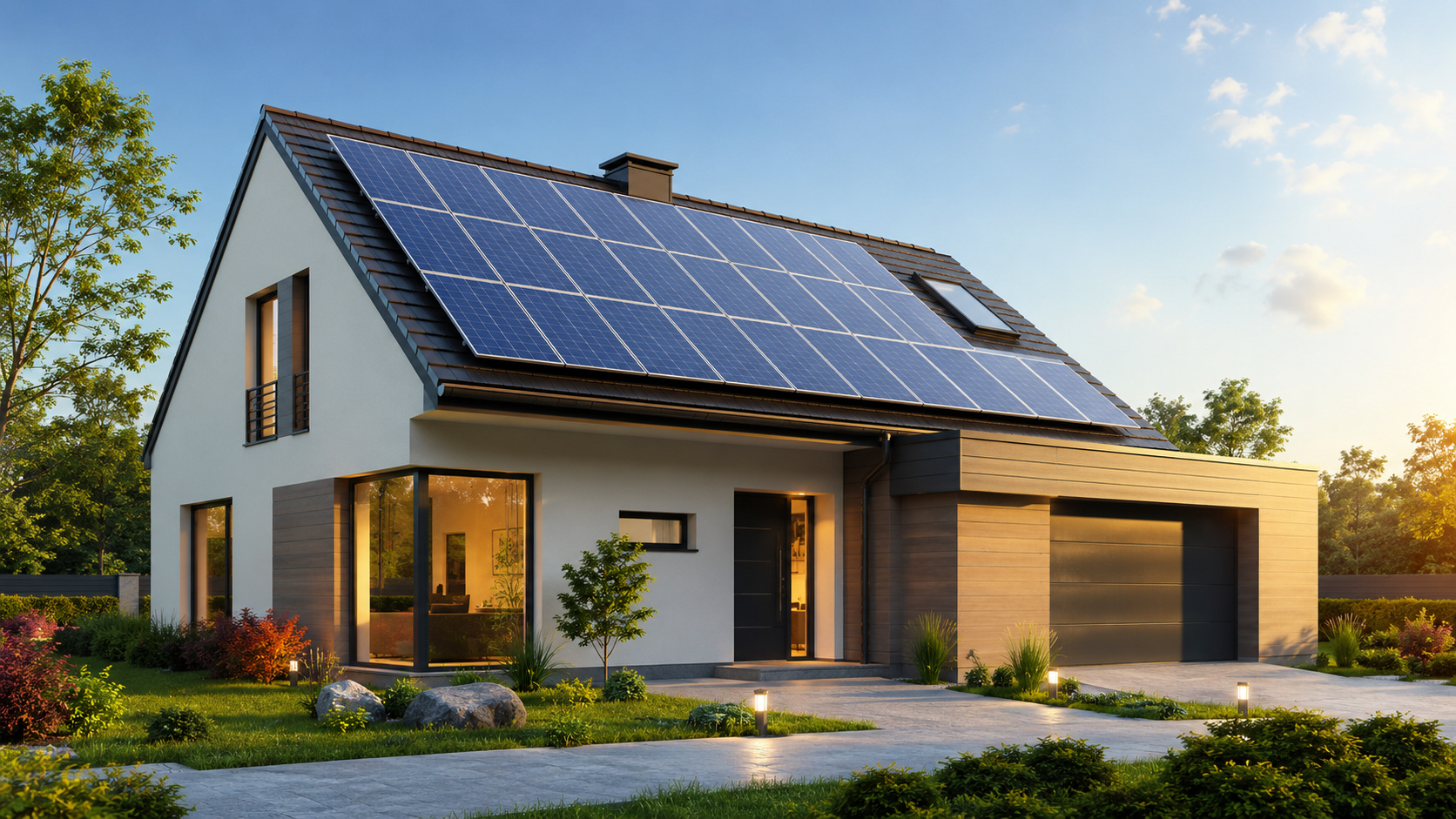
Solar energy can increase property value by up to 10% and become a selling point.
-
Illiterate or semi-literate grandmothers were trained to repair solar systems, open rural workshops, and light up homes that still depended on kerosene.



The President Of Eternit Also Stated That The Great Expectation Is That The Fiberglass Photovoltaic Tile Can Reach Its Highest Market Potential, As It Is Compatible With Traditional Fiberglass Tiles.
Technical Data Of The Fiberglass Photovoltaic Tile
Eternit Developed The Fiberglass Photovoltaic Tile In 2020, And Since Then, Several Adaptations In Its Geometry Have Been Made To Allow The Incorporation Of Photovoltaic Cells With Excellence.
The Manager Of New Business Development At Eternit, Luiz Lopes, Emphasized That The Weight Of The Tile Remains Practically The Same, Allowing It To Be Installed On Existing Structures Without The Need For Major Modifications To The Roof. The Eternit Solar Has A Wavy Geometry, Being Slightly Flat At The Starting Point Of The Waves, Where The Solar Cells Are Integrated, Forming A Single Unit.
The Tile Also Has Dimensions Of 2.44 M X 1.10 M. When Compared To The First Model, Made Of Concrete, Whose Maximum Power Is 9.16 Wp (Watt-Peak), The New Technology Of The Fiberglass Photovoltaic Tile Has A Superior Power Of 142.2 Wp (Watt-Peak), Meaning Each Tile Is Capable Of Generating Energy With A Higher Power Level.
Lopes Also Mentioned That With This Power, About 4 To 6 Tiles Are Sufficient To Meet The Needs Of A Small Residence, While Keeping The Rest Of The Roof Structure With Traditional Fiberglass Tiles.
Commercialization Of Eternit Solar
To Evaluate Performance And Make Further Adaptations Of The Tile To The Different Consumer Profiles, Eternit Developed A Series Of Pilot Projects, Which Were Sent To Various Types Of Properties, Such As Affordable Housing, Communities, Residential Areas, Warehouses, Buildings Without Exposed Roofs, And Also In Commercial Installations, Fuel Stations, And Projects In The Agricultural And Poultry Rural Areas.
Receiving Positive Feedback From The Analysis Of The Tests Through The Pilot Projects, Eternit Will Now Define The Schedule For Marketing The Tile, However, The Estimate Is That The Tile Will Be On The Market This Year, At An Average Price That Is Not Yet Known But Will Be Revealed Soon By The Company.





Be the first to react!