Portuguese
  Spanish


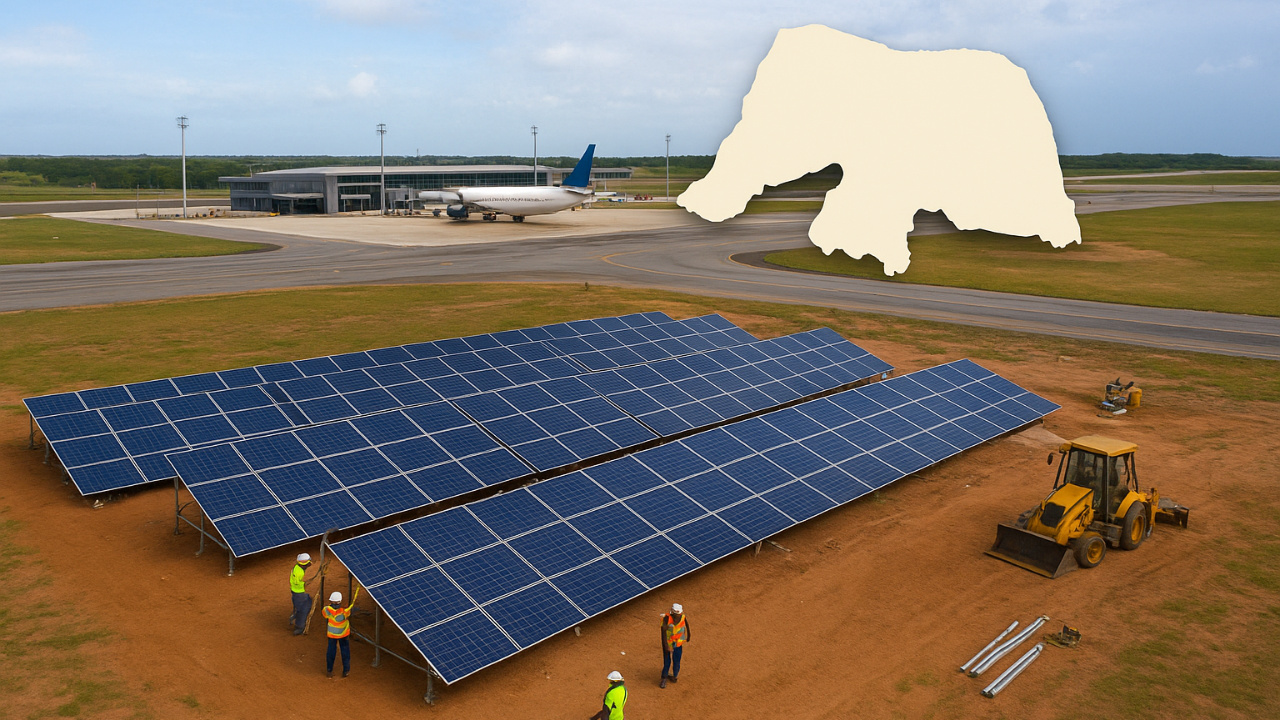


Natal Airport Begins Construction of Solar Power Plant with Investment of R$ 24 Million. Project Strengthens Sustainability and Reduces Dependence on the Electric Grid.
The Natal International Airport, located in São Gonçalo do Amarante, has initiated a new phase of its environmental strategy. This Friday (28), the construction of a solar power plant intended to supply the airport’s own facility began.
The project marks an important step in the adoption of renewable sources within the airport infrastructure of the Northeast.
With an estimated investment of R$ 24 million, the construction is expected to be completed in approximately 10 months. The launch ceremony brought together local authorities, representatives from the productive sector, and executives connected to the operation of the terminal.
-
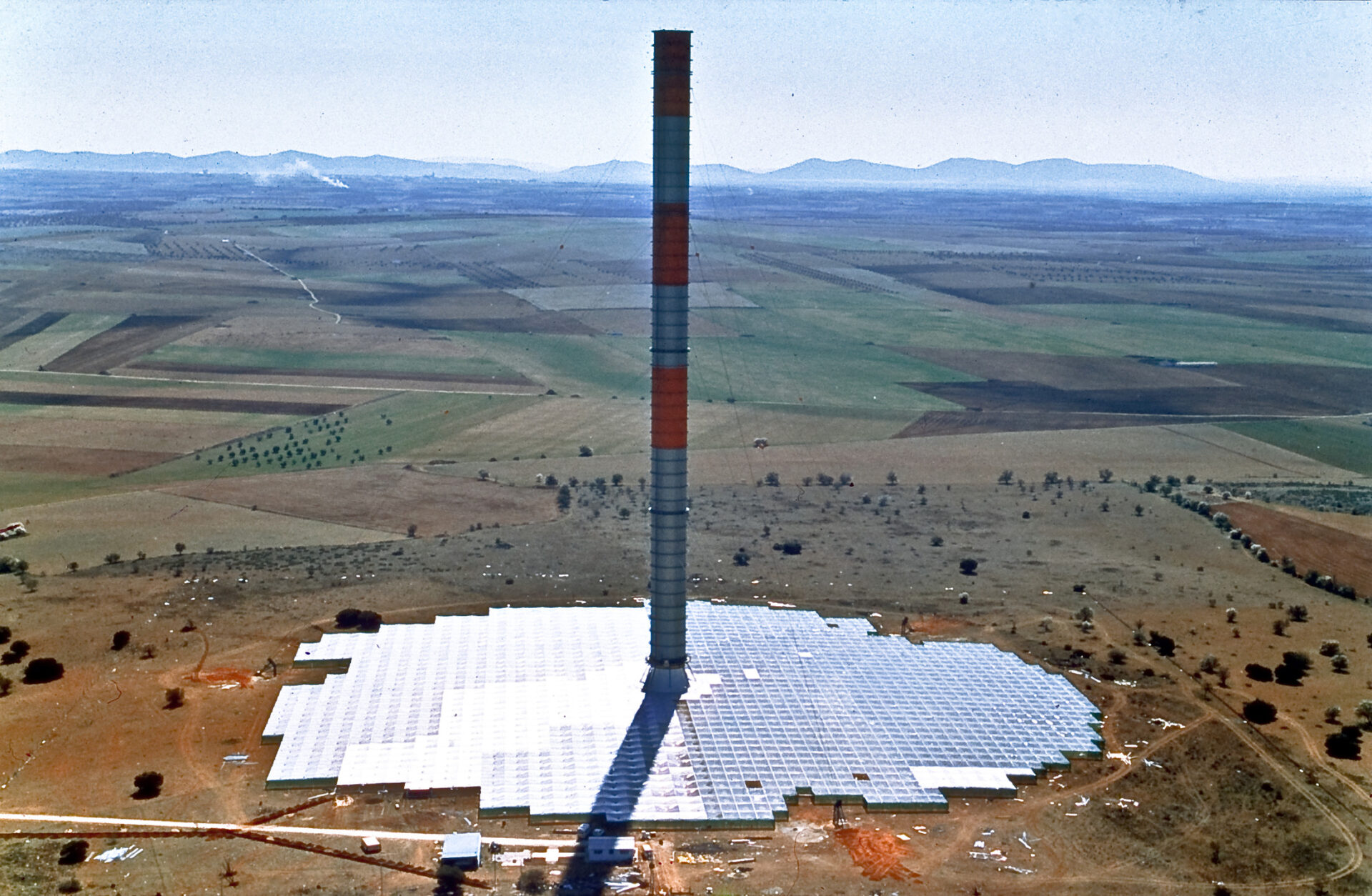
Solar Chimney in Spain Harnessed Sun to Generate Electricity for 7 Years Without Burning Fuel

-
Solar energy reaches 55 GW, becoming the second largest power source in Brazil’s energy mix

-
Solar energy can increase property value by up to 10% and become a selling point.
-
Solar and wind energy surpass natural gas for the first time in the world and accelerate energy revolution




Generation Capacity Strengthens Energy Autonomy
The future solar power plant will have an installed capacity of 5 megawatts (MW). For this, about 11,000 solar panels will be installed in an area near the airport’s apron, taking advantage of the high solar radiation index in Rio Grande do Norte.
According to technical estimates, the monthly production is expected to reach around 1 million kilowatt-hours (kWh). This volume would be sufficient to supply, on average, the consumption of approximately 6,800 households, highlighting the project’s potential.
With this capacity, the airport will significantly reduce its dependence on energy supplied by the conventional grid, as well as achieve operational gains over time.
Investment Outside the Contract Reinforces Environmental Commitment
According to Zurich Airport Brasil, the concessionaire responsible for managing the terminal, the construction of the solar power plant is not part of the contractual obligations of the concession. Therefore, it is an additional investment voluntarily made by the company.
According to the CEO of the company, Ricardo Gesse, the initiative aligns with the sustainability guidelines adopted globally by the group. The aim is to strengthen energy efficiency while reducing the carbon footprint of airport operations.
The execution of the project will be the responsibility of WSO Solar, based in Natal. During the construction period, the expectation is to generate 54 direct jobs, contributing to the local economy and strengthening the solar energy production chain in the region.
Additionally, choosing a local company reinforces the positive impact of the investment on the Potiguar market.
Solar Energy Complements Other Sustainable Actions
The photovoltaic plant complements a set of environmental initiatives already adopted at the airport. The concessionaire highlights the provision of clean energy for aircraft on the ground, a practice that reduces the use of fossil fuels during ground operations.
Another highlight is the diversion of waste from landfills, which reaches a rate of 90%. There is also a partnership with a recycling cooperative, water reuse actions, and measures aimed at decarbonizing the terminal’s activities.
These practices place the airport in a prominent position when it comes to environmental management in the Brazilian aviation sector.
Since February 2024, Zurich Airport Brasil has reported investing around R$ 25 million in structural and service improvements at Natal Airport. Among the actions taken are the modernization of the air conditioning system, the implementation of high-speed Wi-Fi, and the updating of internal signage.
The terminal also received a multisensory room, a pet bathroom, new VIP lounges, and specific strategies to attract flights. With the implementation of the solar power plant, the total investment reaches R$ 50 million.