






 Portuguese
  Spanish


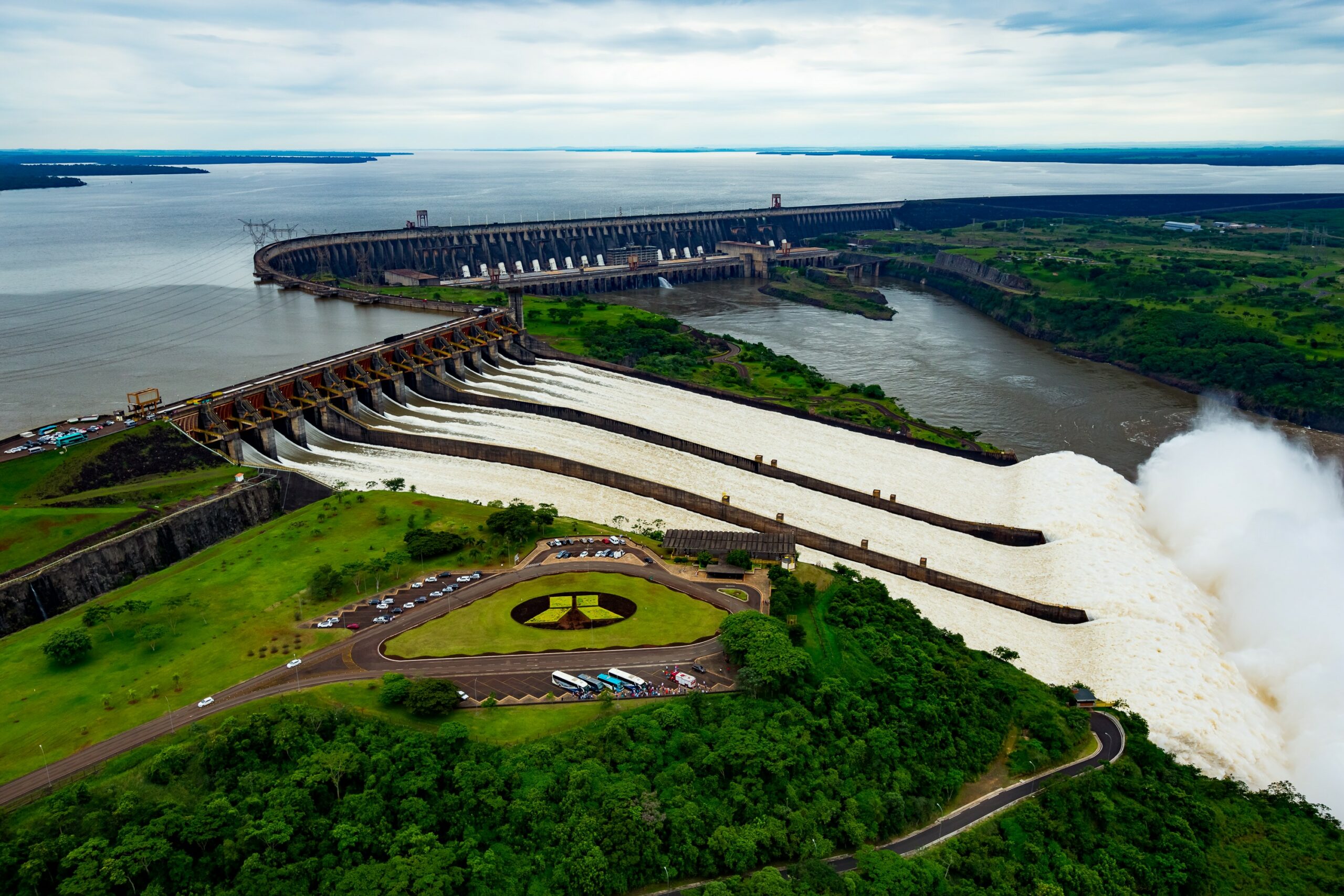

A Survey Conducted by EPE and Other International Agencies Indicated That the National Hydroelectric Production Scenario Could Be Strongly Expanded, Reaching an Increase of 4.7 GW, If Necessary Infrastructure Investments Were Made.
The Energy Research Company (EPE) warns of the need for more investments in infrastructure in national hydroelectric plants, following the release of the document titled “Mobilizing Investments for Clean Energy in Brazil,” developed by the company in partnership with the World Economic Forum (WEF) and the Inter-American Development Bank (IDB). Thus, Brazil could increase its production capacity by up to 4.7 GW with necessary applications in this sector.
EPE Research with International Agencies Indicates the Need for Investments in Infrastructure in Brazilian Hydroelectric Plants to Expand Energy Production in the Country
After months of development, EPE joined IDB and WEF to launch a report on energy production in Brazil, titled “Mobilizing Investments for Clean Energy in Brazil.” The report points to the high potential for expansion in Brazilian energy production in the coming years and warns of the need for more investments in infrastructure in the sector, especially regarding national hydroelectric plants.
“With many large Brazilian hydroelectric plants in operation for over 30 years, modernizing the existing infrastructure would provide advantages such as increasing their energy production (thus reducing the need for new generation sources), improving their efficiency and availability, reducing unplanned outages, increasing security and reserve capacity, and minimizing negative social and environmental impacts. It is estimated that modernizing the hydroelectric plant would result in a 4.7 GW capacity gain for Brazil, as well as a reduction of 57 million tons of CO2 due to modernization projects that displace natural gas thermal plants,” the study stated.
-
Two-Bedroom Home Built in a 40-Foot Shipping Container Delivered and Ready for Same-Day Living in São Paulo Countryside

-
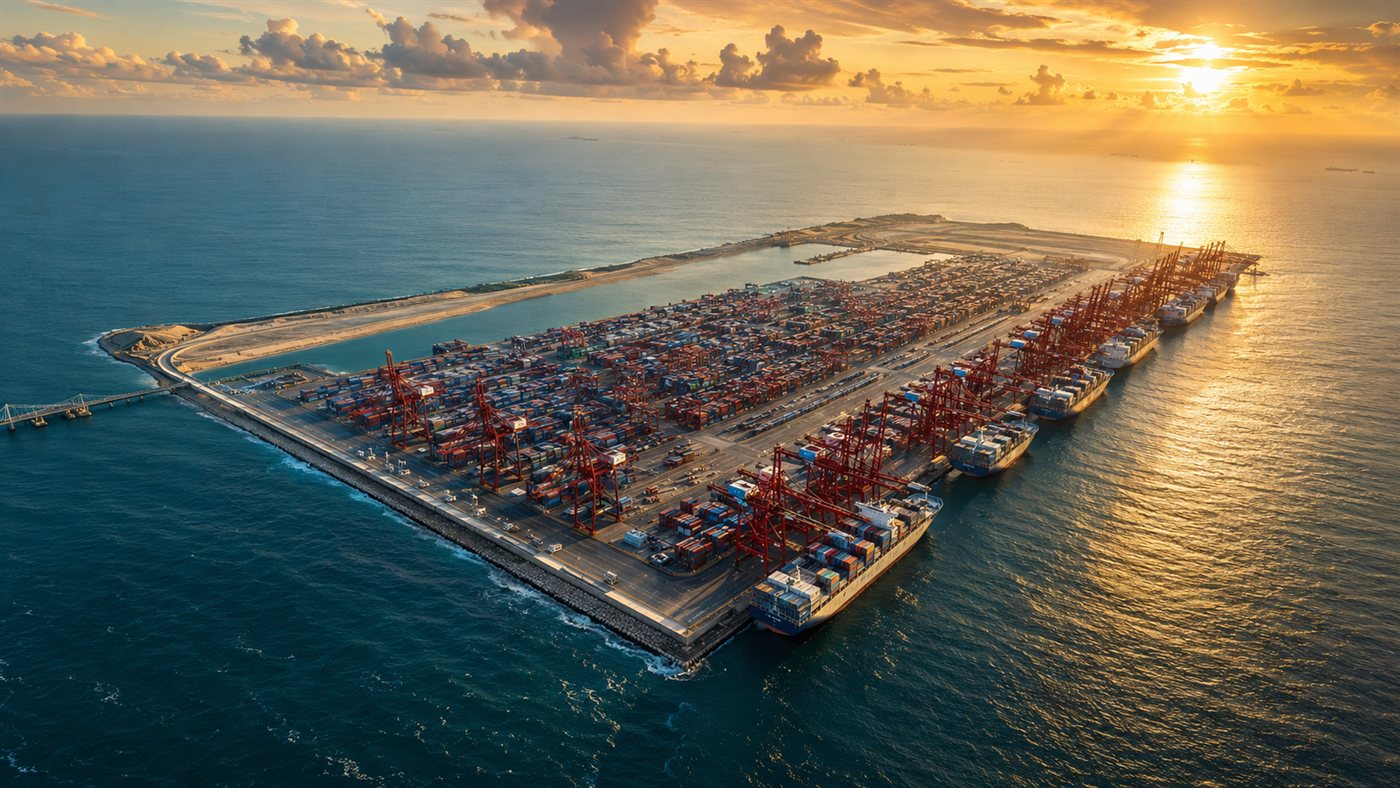
China Constructs Artificial Island 32 km Offshore for Yangshan Port, Connected to Shanghai by 32 km Bridge, Unloading 3,000 Containers in 20 Hours
-
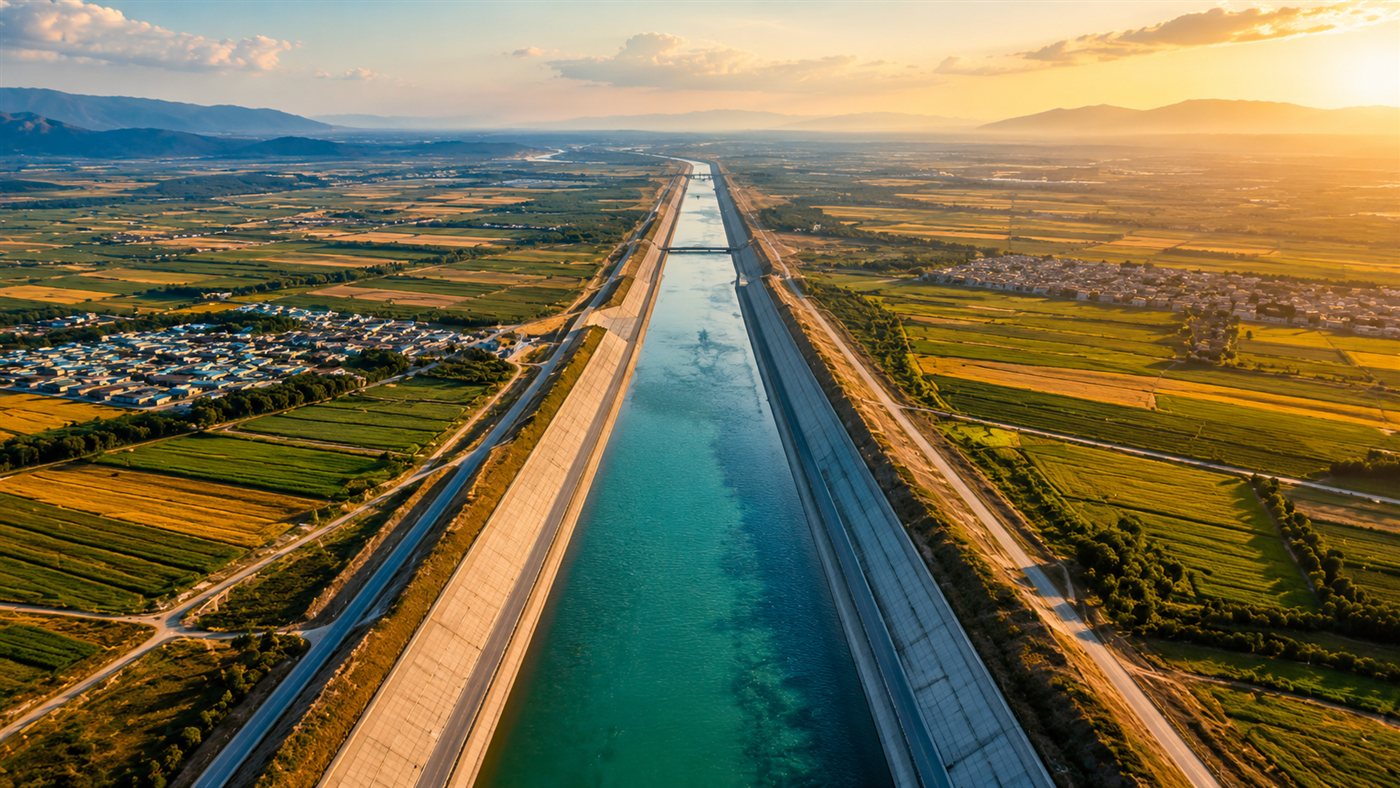
China’s $70 Billion River Diversion Project, the World’s Largest, Moves 44.8 Billion Cubic Meters Annually, Crosses Under the Yellow River, and Displaced 330,000 People
-
Indian Driver Spends 14 Years Digging 10-Meter Tunnel Through Mountain to Connect Isolated Village to the World



However, Brazil still faces a scenario that is not conducive to this considerable increase in energy production capacity in a few years, due to low investment in national hydroelectric plants.
Thus, there is a need for a new regulatory framework that creates a scenario for strong investments in national infrastructure, with proposals such as including hydroelectric plants in capacity reserve auctions. In addition, another suggestion from EPE for expanding production capacity is to extend the concession period by up to 20 years to amortize investment in modernization.
Risks of Climate Change in Energy Production at Plants Are Also Identified as a Motivator for Infrastructure Investments, According to EPE Report
In addition to the potential for increasing energy production capacity in national hydroelectric plants, the EPE document also points to the impact of climate change on this segment.
Thus, phenomena such as floods, droughts, and extreme rainfall across all selected hydroelectric generation assets were studied to provide the data necessary for investments in the appropriate infrastructure so that moments of climatic instability do not affect resource generation.
The study also serves to guide federal climate resilience initiatives and legislation and improve resilience-building efforts at the asset level. Finally, the issue of the need for investments in alternative sources of renewable resource production in Brazil was also addressed, such as solar energy generation systems in the country, which require tax incentives to be expanded to their maximum capacity.
Thus, Brazil would be able to expand its global leadership in renewable energy and take advantage of the high production potential both in hydroelectric plants and in other systems, such as solar plants and wind farms, over the coming years.







