





 Portuguese
  English
  Spanish
  3 min of reading
  0 comments



“`html
China’s Global Investments in EVs: The Secret Strategy That’s Leaving the West Behind!
In a strategic move that’s changing the game in the global electric vehicle (EV) market, China is heavily investing in EV assembly factories, battery plants, and transition technologies around the world. This effort aims to circumvent Western tariffs, which, instead of protecting local industries, may be backfiring.
A Response to Western Tariffs
The tariffs imposed by the West, especially by the European Union and the United States, were designed to protect local industries from foreign competition. However, China has found a way to bypass these barriers: building EV factories and battery plants abroad. This move not only avoids tariffs but also strengthens China’s presence in the global EV market.
-
404 km off the coast of Rio de Janeiro, an oil company drilled 5,855 meters into the ocean and discovered the largest oil and gas reserve found in a quarter of a century.

-
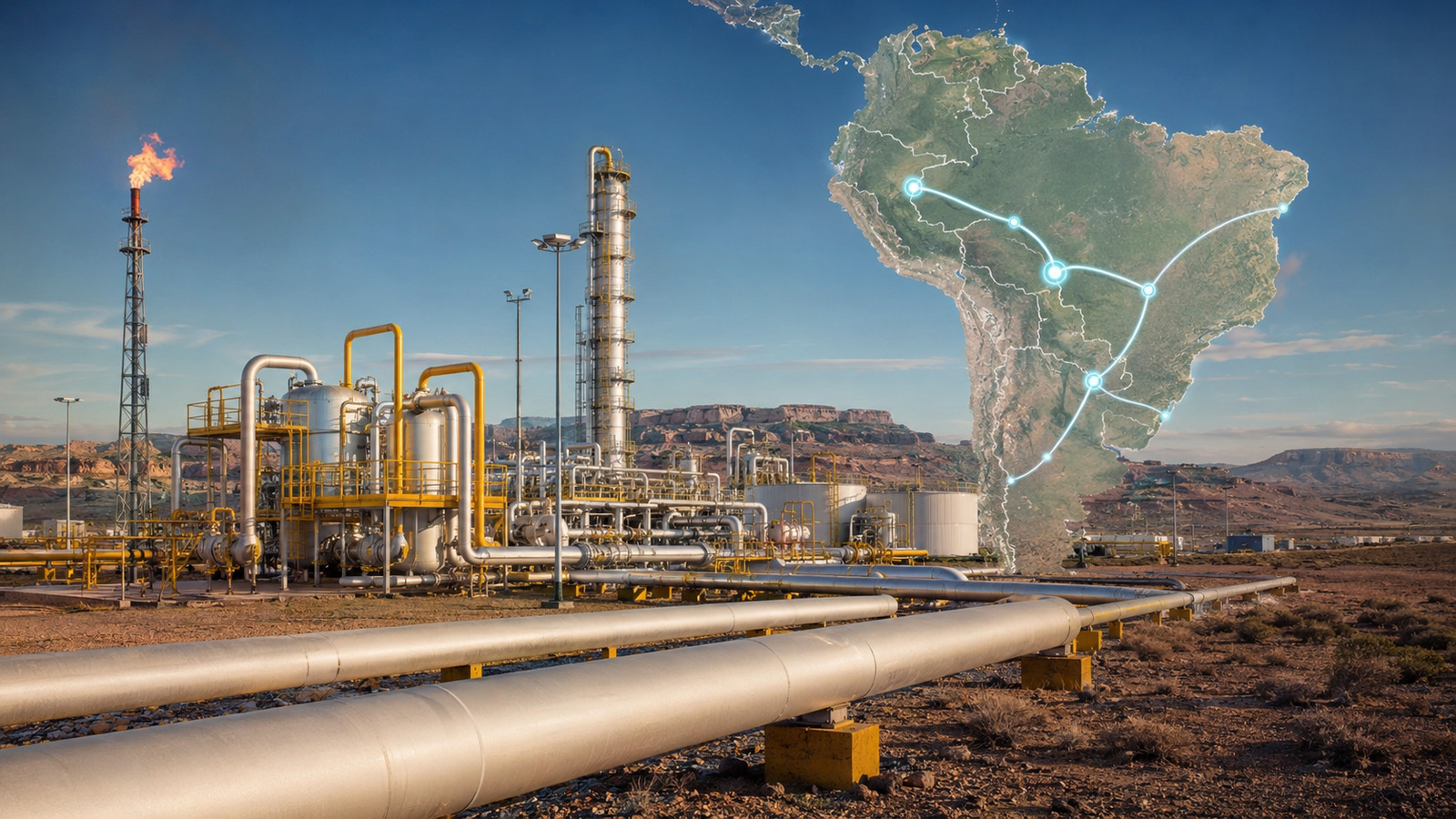
Vaca Muerta can supply gas to Brazil, Chile, Uruguay, Bolivia, and Argentina for up to 124 years, but it requires more than $10 billion in infrastructure to distribute the gas.

-
Criminals dig a secret tunnel to tap into Petrobras pipeline, steal 100,000 liters of fuel and put thousands of people at risk of explosion in the Federal District.

-
Oil surges again after attacks and standoff between the US and Iran increase global tension



Global Expansion and Technology Export
Chinese companies are not only increasing their manufacturing capacity abroad. They are also exporting technology, engineering, supply chain, and expertise in financing globally. This puts European and American companies in a difficult position as they struggle to compete with Chinese EVs, which are often cheaper and superior in quality.
Impact on Europe and North America
In Europe, countries like Hungary and Poland are benefiting from what has been described as a “tsunami” of Chinese investment in transition technologies. Hungary, for example, hosts two South Korean battery plants and has been chosen by the Chinese giant BYD for the location of its first European factory. Meanwhile, in North America, U.S. political pressure on Mexico to discourage Chinese investments in EVs hasn’t stopped BYD from planning a factory in the country.
Growing Investments and Falling Costs
Chinese investments abroad increased by 12.5% in the first eight months of this year, totaling around US$ 112.2 billion. A large portion of this capital is being directed towards transition technologies. With the costs of these technologies declining in China, the country is exporting cheap transition while companies in Europe and North America struggle to reduce their costs.
Challenges for Western Companies
European automakers are facing a period of declining sales, exacerbated by their inability to compete with the prices and quality of Chinese EVs. The EU’s protectionist policies, aimed at safeguarding local industries, are being circumvented by the Chinese strategy of setting up local factories. This raises the question: without China, would the global energy transition be possible?
Final Reflection
China’s global investments in EVs are redefining the market and challenging Western policies. As China continues to expand its influence, the question remains: how will the West respond to this strategy that’s leaving its industries behind? The answer may determine the future of the EV industry and the global energy transition.
“`
This article was structured to provide a comprehensive and objective view of China’s global investments in electric vehicles, highlighting the country’s strategy to circumvent Western tariffs and expand its influence in the global market. The clear and direct language aims to facilitate understanding, while the organized structure in sections allows for a fluid and cohesive reading.







Be the first to react!