






 Portuguese
  Spanish


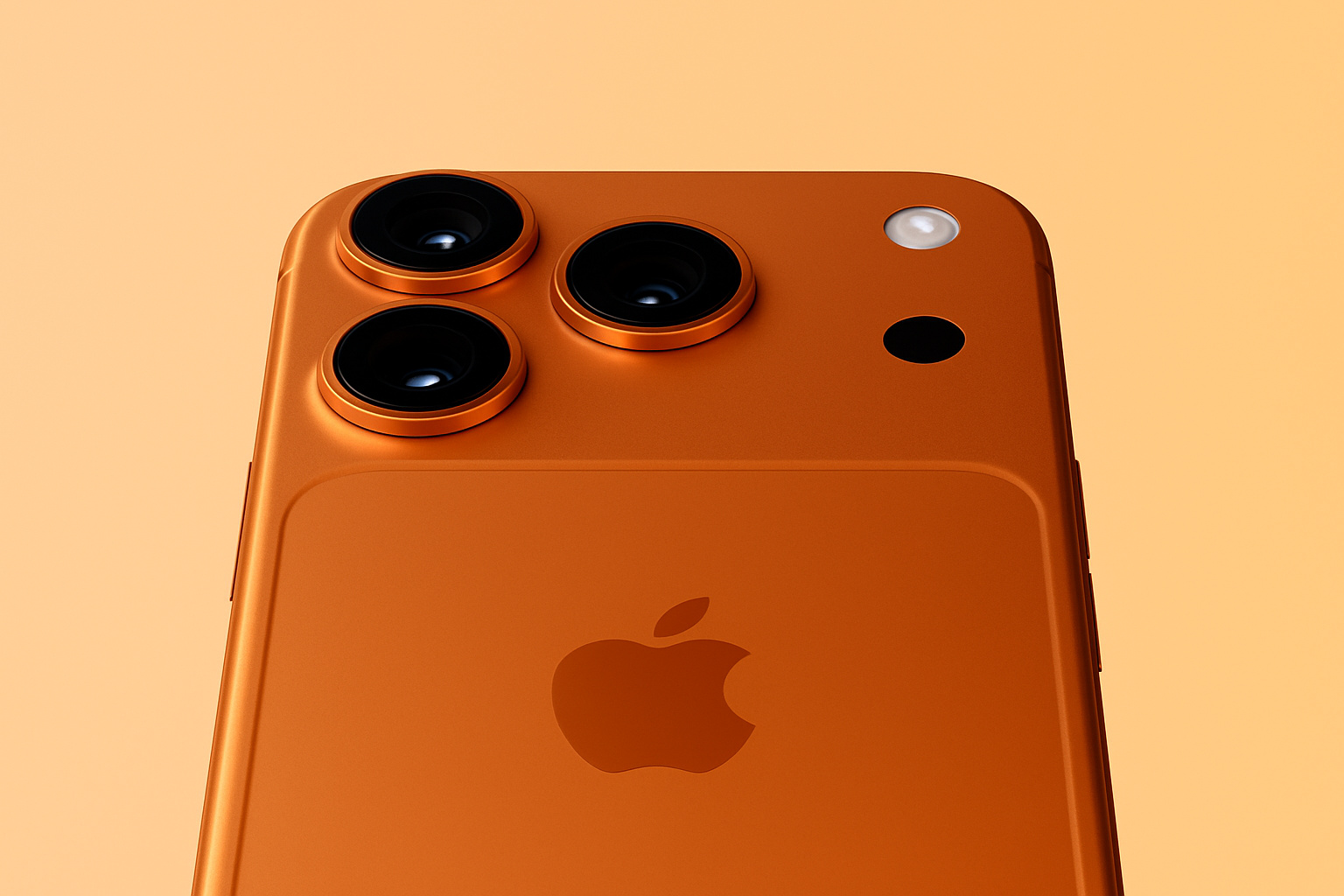

From Pocket to Garage: The iPhone That Costs the Price of a Vehicle
The launch of the iPhone 17 Pro Max in Brazil reignited an old discussion: what is the limit of technology prices in the country? With the 2 TB version reaching R$ 18,499, Apple’s latest smartphone is no longer just an object of desire, but also a thermometer of purchasing power in Brazil.
On social media, the reaction was immediate. Comparisons with motorcycles, trips, graduate courses, and even basic food items became the topic of the day. After all, are we facing a cutting-edge product or an exaggeration in consumption standards?
When a Cell Phone Costs the Same as a Car: The Dilemma of the iPhone 17 Pro Max
The contrast is striking. The iPhone 17 Pro Max, in its most expensive version, costs practically the same as a Honda CG 160 Fan 0 km (R$ 18,350). In many Brazilian cities, this motorcycle is not just a leisure item, but a work tool for delivery drivers, app drivers, and freelancers.
-
Brazil to Issue “Panda Bonds” in China, Aiming to Raise Up to 5 Billion Yuan at Lower Interest Rates Than Dollar Debt
-
NATO Faces Internal Tensions as U.S. Pushes for Increased Defense Spending, Targeting 5% of GDP by 2035, with Warnings for Countries Near 2% Level

-
Brazil to Introduce B16 Diesel with Increased Soybean Oil Content for Trucks by 2026
-
Brazil’s July Bolsa Família Payments May Include Extra $150 and $50 for Families with Children, Pregnant Women, and Updated CadÚnico Registration


And it doesn’t stop there: with this amount, it is also possible to buy a used budget car, such as a Fiat Uno, a Celta, or a Ford Ka — vehicles that cost between R$ 8,000 and R$ 18,000, depending on the year and condition. Even if old, they still represent mobility for entire families.
Another option would be a premium electric bicycle, priced between R$ 7,000 and R$ 12,000. For many Brazilians, this type of sustainable transport is starting to gain traction in big cities.
Experiences That Cost Less Than an iPhone
The price of the iPhone also opens space for another type of comparison: experiences. With R$ 17,500, one can do an exchange program in Canada for a month, including flights, accommodation, courses, and basic expenses. Another option is a seven-day international cruise to cities like Marseille, Genoa, and Barcelona, costing R$ 15,705 for three people.
While the phone becomes outdated in a few years, these experiences are etched in memory. The comparison highlights how consumption logic changes when we think about use value versus symbolic value.
Education and Knowledge: The Investment That Yields More
In the educational sphere, the same amount spent on the iPhone 17 Pro Max guarantees an online postgraduate course at FGV in Leadership and Innovation (R$ 12,356). It would also be enough to invest in technology and artificial intelligence courses on platforms like Alura, Coursera, and Udemy, ensuring up to two years of continuous education.
In other words, while the phone may be a status symbol, education represents a bridge to real opportunities in the job market. The choice, in this case, speaks volumes about priorities and future vision in Brazil.
Basic Consumption: From Picanha to Basic Food Basket
When we bring the debate into everyday life, the contrast becomes even harsher. The price of the iPhone corresponds to:
- 308 kg of picanha (R$ 60/kg)
- 154 gas cylinders (R$ 120/unit)
- 21 complete basic food baskets (R$ 880 each, average in São Paulo)
- 205 bottles of sparkling wine (R$ 90/unit)
- 10 43-inch 4K TVs (R$ 1,850 each)
- More than 1,200 chocolate-covered strawberries (average unit price at parties and bars)
These numbers show how the figure, for many, is far from a possible purchase. In a country where a large part of the population struggles to keep their refrigerators full, a phone at this level becomes a symbol of consumption inequality.
Entertainment That Lasts Decades
Even in leisure, the price is impressive:
- 264 cinema tickets in VIP rooms (R$ 70 each)
- 34 years and 4 months of standard Netflix subscription (R$ 45/month)
In this case, the comparison makes it clear that technology, despite being advanced, competes with more accessible and enduring alternatives for pleasure.
More Than a Cell Phone, a Social Symbol
Apple does not hide its strategy: the iPhone 17 Pro Max is not just a product, it is a status symbol. In Brazil, where purchasing power is limited, this symbolism is amplified. Buying a device costing almost R$ 20,000 is, for many, more about being seen with it than about its functionalities.
This generates a curious phenomenon: the phone becomes, at the same time, a source of pride for those who own it, a target for criticism from observers, and a meme for those who mock it. A mirror of how consumption shapes behaviors and debates in the country.
In light of all these data, the inevitable question is: if you had R$ 18,499 today, would you prefer to invest in mobility, education, experiences, food, or in an iPhone 17 Pro Max?
Leave your opinion in the comments.







