





 Portuguese
  English
  Spanish
  4 min of reading


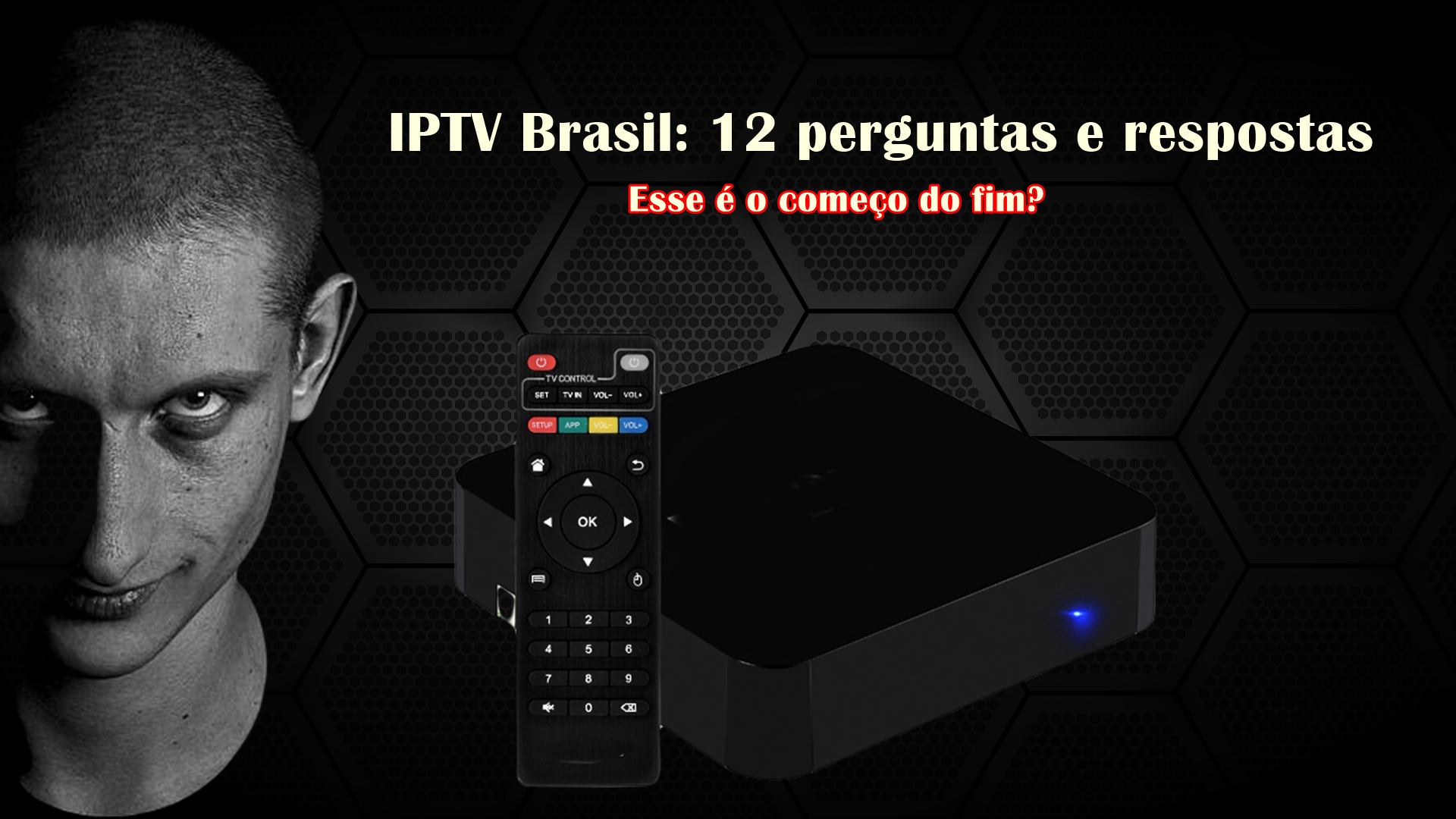
Despite the Controversies Involving Anatel and IPTV This Week, It Will Not Be the End of This Technology, But It Will Be Better Regulated
In February 2023, Anatel approved a new Resolution that establishes stricter rules for the use of IPTV. The new regulation provides for the creation of a provider registry, the requirement for quality certification of the services offered, and reinforces the fight against content piracy.
How Does IPTV Work?
IPTV (Internet Protocol Television) is a technological apparatus that allows audiovisual transmission over the internet. The content is transmitted as data packets using the IP protocol and is received and processed by the receiver, which then displays the desired programming. The IPTV receiver can be a smart TV box, a computer, a smartphone, or any other device that supports IPTV. Most IPTV service providers also offer a video-on-demand service, allowing users to watch programs and movies at their preferred time.
Is IPTV Allowed in Brazil?
Currently, there is no specific law in Brazil that prohibits or regulates the use of IPTV. However, the content transmitted via IPTV may be protected by copyright, meaning that if you use IPTV to access copyrighted content, you may be infringing those rights.
-
Japan is about to launch a satellite that captures solar energy in space and sends electricity to Earth in the form of microwaves. The technology promises to generate energy 24 hours a day without relying on clouds, night, or solar panels on the ground.

-
Secret chamber under Ukrainian castle remained hidden for 3 centuries until archaeologists removed 5,200 cubic feet of debris and found burned walls, underground ventilation, and signs of military use.

-
Pope Leo 14 shakes up the artificial intelligence board by advocating for public governance, independent auditing, protected data, and human responsibility in machine decisions.

-
New technology may retire the common bathroom fixture: smart shower turns on by voice, heats up before the shower, adjusts temperature via mobile phone, and transforms the shower stall into a digital system inspired by a connected home.




What Are the Most Used IPTVs in Brazil?
The main IPTVs used in Brazil are NET, Claro, Vivo, Oi, SKY, and Algar Telecom.
How to Access IPTV for Free?
There is no direct way to access IPTV for free. However, there are several websites that offer free IPTV services, such as free IPTV lists, as well as applications and streaming programs that allow you to watch TV channels. Some of the most popular sites for accessing IPTV for free include LiveStreams4U, FreeIPTV, LiveTV.sx, and FreeTV. Some of these sites may require you to create an account to access their services, while others allow free access.
What Is Pirate IPTV?
Pirate IPTV is a form of cable TV service that is not legalized and offers subscription TV content such as cable TV channels, movies, and TV shows through illegal IP servers. Typically, an IP server is used to stream content, often using protocols like BitTorrent. This type of service is often used by those seeking access to cable TV content without paying for a cable operator’s service, but it is illegal and can result in civil penalties and even criminal penalties.
Which IPTVs Are Allowed to Be Used?
The only way to know if an IPTV is legalized in Brazil is to check if it has authorization from Anatel (National Telecommunications Agency) to offer subscription television services. There is no predefined list of legalized IPTVs, as these can change over time. Some companies authorized by Anatel to Provide Subscription TV Services Include: NET, Claro, Sky, GVT, Oi, Vivo, Algar Telecom, Sercomtel, Rádio Mec, and BVNet.
What Is the Average Monthly Fee for IPTV in Brazil?
The average monthly fee for IPTV in Brazil depends on various factors, such as the telecom operator, the channel package, the geographical region, and others. The monthly fee can vary from R$ 50.00 to R$ 250.00.
How Will Anatel Block IPTV in Brazil?
The blocking of IPTV by Anatel involves identifying the servers used for content transmission, whether they are subscription TV, pay-per-view, streaming, or any other IPTV service, by checking their IP address and blocking access to those servers. This measure is taken to discourage the piracy of audiovisual content, which is prohibited by law. The blocking is done through IP address filtering, which prevents users from accessing illegal content servers.
What Is Required to Use IPTV?
To have IPTV, you will need a high-speed broadband connection, a streaming device such as a computer, smartphone, tablet, gaming console, smart TV box, or another compatible device, and an IPTV service provided by a service provider. Additionally, you may need a special decoder to receive the service, depending on the service provider.
What Is the Difference Between IPTV and TV Box?
IPTV (Internet Protocol Television) is a media streaming service that uses the internet network to transmit television content. Unlike traditional TV broadcasting, IPTV does not use terrestrial, satellite, or cable signals. The content is transmitted via a specific internet protocol (IP, hence the name IPTV) to devices connected to the network.
A TV Box, on the other hand, is a device that allows users to watch television content via the internet. The TV Box connects to the television and uses an internet connection to access content such as movies, TV series, television programs, and more. The TV Box can also be used to access streaming applications like Netflix, YouTube, and others. The difference between IPTV and TV Box is that the former uses the internet to stream content, while the latter uses the internet to access content that is already available online.
Is It Dangerous to Use IPTV?
Yes, there is a risk in using IPTV. As the content is transmitted over the internet, there is a risk of exposing the device to cyber threats such as malware, viruses, ransomware, and other forms of intrusion. Additionally, IPTV content may also contain illegal or low-quality content, which can impair the user experience.
Is It a Crime to Use IPTV?
No. However, depending on the IPTV service being used, it may be illegal, as some services are used to stream copyrighted content. If you are using an IPTV service to watch copyrighted content without the proper authorization from the rights holder, this may be considered a violation of copyright and, therefore, may be considered a crime.







Be the first to react!