






 Portuguese
  Spanish
  6 min of reading
  0 comments


The Anderson Sincero channel published a video stating that the BYD Song Pro GS is not worth the approximately R$ 200,000 launch price and should not exceed R$ 140,000. Days later, BYD cut R$ 47,000 from the plug-in hybrid price, which went to R$ 142,990, strengthening the argument about depreciation in the Fipe table.
Anyone who bought an electric or hybrid car in the excitement of the launch and saw the price drop months later knows the extent of the pain. This is exactly the risk discussed in the video “BYD Song Pro NOT WORTH R$ 140,000“, from the Anderson Sincero channel on YouTube. In his evaluation, the BYD Song Pro GS, launched at around R$ 200,000, does not deliver what it charges and should not be worth more than R$ 140,000.
A few days after the publication, the market seemed to agree with the critic. According to Garagem360, BYD cut R$ 47,000 from the price of the Song Pro GL 2026, which went from R$ 189,990 to R$ 142,990. The number almost exactly matches the ceiling the YouTuber considers fair and reignites the question every buyer asks before signing the financing: is the BYD Song Pro worth it?
The channel’s argument: why he says it’s not worth it
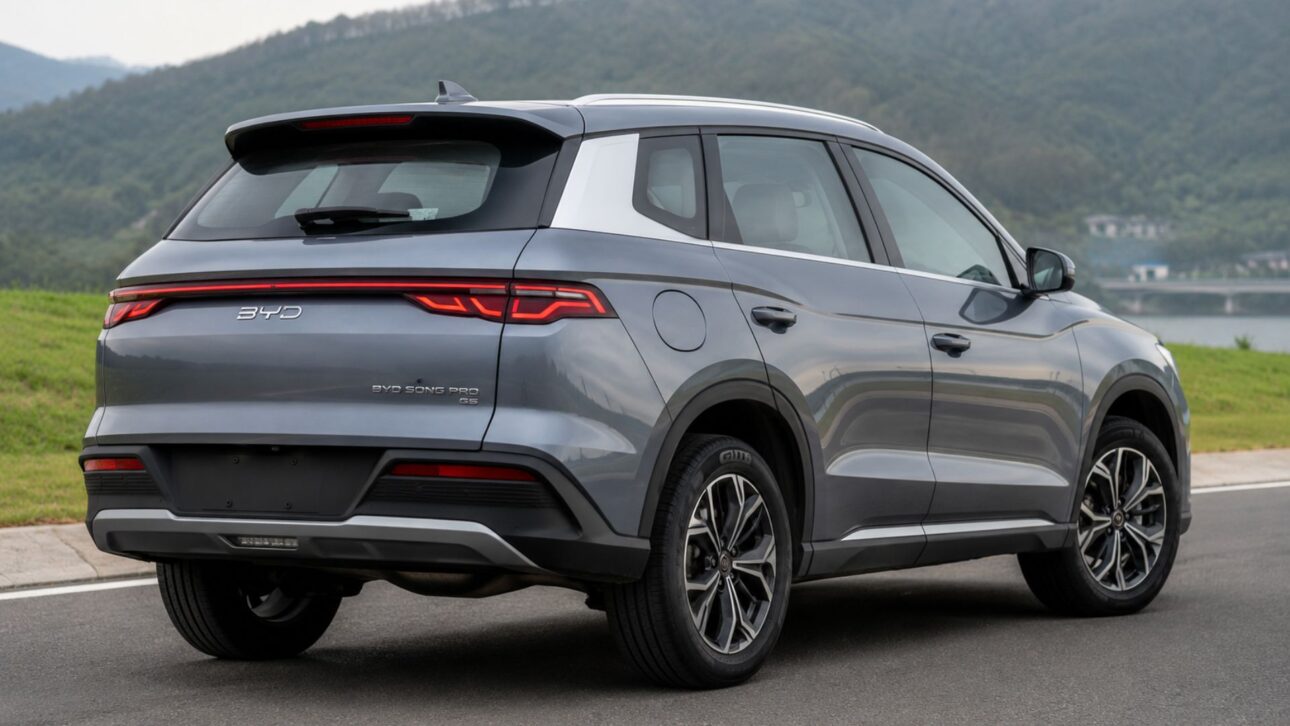
The first point of Anderson Sincero is the pricing. For him, the BYD Song Pro GS was launched expensive, close to R$ 200,000, without a series of features that would justify the value, sold poorly, and forced the brand to lower the price afterward. “Those who bought in emotions and excitement lost right away,” summarizes the YouTuber in the video, pointing out that the hasty buyer is the one who suffers the most.
-
Caoa Changan CS75 arrives for R$ 199,990 with 4.77 m in length, a trunk of up to 1,620 liters, 8-speed Aisin transmission, 180 hp, 37.2 inches in screens, and Zero Gravity seat with massage.

-
Cheaper than a brand new Fiat Cronos, this used SUV offers a giant 516-liter trunk, a 1.0 Turbo 200 flex engine, CVT automatic transmission, and six airbags; the 2023 Fiat Fastback Impetus positions itself as a more complete alternative than the entry-level Cronos for those seeking more for the same budget.

-
The Ford Ranger plug-in hybrid, the same rugged pickup that handles 800 mm of water, becomes a plug-in pickup with a flex-fuel ethanol engine and is chosen as the International Pickup of 2026.
-
New 0km electric car costs less than R$ 50,000 with an 18 hp engine, carries up to 6 people, travels over 100 km per charge, recharges in a regular outlet, and surprises by dispensing with airbags and limiting speed to 50 km/h in Mexico.


The arrival of the 2026 line worsened the situation of the previous version, in his view. The channel shows that the 2026 model was released for around R$ 199,000, practically the same launch price as the old one, but with much more equipment, including ADAS driving assistance systems and adaptive cruise control ACC. For Anderson Sincero, this makes the 2025 version “outdated compared to the new model” and tends to push the older BYD Song Pro downhill.
The main criticism is the lack of what he calls embedded technology. In the opinion of the YouTuber, having a battery, being a plug-in hybrid, or having a large screen does not count as a modern differential, because it is already common in the market. What would really weigh, according to him, are precisely the safety assistants that are missing in the 2025 version, and this absence would be one of the reasons for the car to lose value faster.
The depreciation he points out in the Fipe table
The point that the channel itself treats as the most critical is depreciation. Anderson Sincero argues that no one celebrates losing 50, 100, or 150 thousand reais on resale, and that a car launched with a value he considers exorbitant was already doomed to plummet. This is where the Fipe table comes in as a thermometer of the damage.
In the video, he shows the BYD Song Pro GS valued at around R$ 169,000 in the Fipe table, with a drop recorded in the previous month. For the YouTuber, the model’s graph tells the story on its own: there was hype when the SUV arrived, back at the end of 2024, but since then the curves only point downward. In his reading, it is proof that the BYD Song Pro is worth less and less for those thinking of reselling.
He further reinforces the thesis by reminding that there are models and brands that hold up better in the Fipe table. In other words, the problem, in the channel’s assessment, is not that depreciation is inevitable in any car, but rather the speed at which it happens in this specific case. For those who view the car as an asset, this is the kind of detail that decides whether the plug-in hybrid is worth it or not.
The R$ 47,000 drop that reinforced the thesis


This is where reality met the prediction. Just two days after the channel’s warning tone about new drops, Garagem360 reported, on June 19, 2026, that BYD reduced the price of the Song Pro GL by R$ 47,000, taking the plug-in hybrid from R$ 189,990 to R$ 142,990. The final price was practically at the ceiling that Anderson Sincero had pegged as fair.
There is an important detail that changes the reading, however. According to Garagem360, this offer is linked to direct sales, with specific framing, aimed at audiences such as taxi drivers and other segments served by the brand. In other words, it is not an automatic discount for any consumer who enters the dealership, and the final price depends on whether the buyer fits the rules.
Even with this caveat, the move fuels the video’s argument. When a manufacturer drops almost R$ 50,000 from a newly launched car, it’s hard to counter the idea that those who paid the full price at launch ended up losing. For the market, it’s the kind of signal that puts even more pressure on the BYD Song Pro in the Fipe table.
The other side: what the analysis doesn’t conclude
It’s fair to remember that this is the opinion of a channel, not a verdict from the entire market. Anderson Sincero himself acknowledges in the video that the BYD Song Pro “improved in some areas” and “has its qualities,” and that the problem, for him, lies in the balance between what the car offers and what it cost. Evaluating whether a plug-in hybrid is worth it involves factors that vary from driver to driver.
The very issue of autonomy, which the channel criticizes, depends a lot on usage. He argues that the promised electric range is often a “farce” because it varies according to terrain, speed, and region, and because official measurements do not capture real consumption in hybrid mode. The point is valid as a warning, but it also means that for those who drive in flat cities and charge the battery every day, the result can be much better than depicted in the video.
In the end, the case of the BYD Song Pro serves less as condemnation and more as a lesson in caution. The lesson the channel tries to convey, and which the price drop ended up illustrating, is simple: buying an electrified car in the excitement of the launch usually turns out expensive, because the price and the Fipe table are still in motion in a rapidly changing market.
The question “is the BYD Song Pro worth it?” doesn’t have a single answer, but the episode delivers a clear message to those eyeing an electrified vehicle. The Anderson Sincero channel bet that the SUV wasn’t worth more than R$ 140,000, and BYD itself, by cutting R$ 47,000 from the price, ended up getting close to that. Between the critic’s opinion and the factory discount, the buyer who has patience tends to pay less for the plug-in hybrid and suffer less with the Fipe table.
And you, would you buy the BYD Song Pro now with the discount, wait for it to drop more, or avoid the model? Share your thoughts in the comments.





Be the first to react!