






 Portuguese
  Spanish
  6 min of reading
  0 comments


Mexican electric mini-vehicle bets on low price, six seats, and urban proposal, but draws attention for combining autonomy over 100 km, limited speed, and a structure different from conventional cars sold in Latin America.
Mexico officially presented the Olinia Uno, an urban electric mini-vehicle with a starting price of 150 thousand Mexican pesos, six seats, autonomy over 100 km, and production scheduled to begin in the summer of 2027.
Coordinated by the Secretariat of Science, Humanities, Technology, and Innovation of the Mexican government, the project brings together institutions such as IPN, TecNM, and UNAM in an initiative aimed at creating a national brand of electric vehicles.
The proposal draws attention for the value equivalent to less than R$ 50 thousand in direct conversion, but also for the technical limitations that distance the model from the category of conventional cars sold to the general public.
-
Pressure from residents forces a U.S. energy utility to suspend negotiations with a data center that could require 500 megawatts by 2032 and demand new lines, reinforcements in the power grid, and large infrastructure investments.

-
New Honda HooRide 125 scooter debuts in China with ADV styling, 17-inch wheels, TFT panel, Smart Key, and fuel consumption of up to 47.17 km/l, aiming to resemble an urban X-ADV with a 125 engine, CVT transmission, and an economical proposal for cities.

-
Volkswagen focuses on ethanol and tests a Saveiro 100% alcohol-powered with a recalibrated engine; the project may ensure tax reduction, targets corporate fleets, and revives technology that lost ground since the arrival of flex-fuel vehicles in 2003.

-
Keeping your foot lightly on the brake pedal while driving may seem harmless, but mechanics warn: this habit generates constant heat, wears out the pads too quickly, and can warp the discs, making braking expensive and dangerous.


Instead of competing with traditional compacts, the vehicle was presented as an alternative for short trips in Mexican cities, with a maximum speed limited to 50 km/h and charging in a common outlet.
Olinia Uno is born as an urban mini-vehicle
Presented on June 7, 2026, the Olinia Uno is part of a strategy by President Claudia Sheinbaum’s government to create a Mexican brand of low-cost electric vehicles.
The initiative targets neighborhood routes, shared transportation, and short-distance urban uses, especially in places where motorcycles, moto-taxis, and small vehicles already play a significant role in daily mobility.
With compact dimensions, the project prioritizes internal space utilization and promises to transport up to six occupants, an unusual configuration for an urban electric vehicle with such a simple proposal.
According to the brand, the model was also designed to allow access for a person in a wheelchair, accompanied by another passenger, which expands the proposal for use in local routes.
This combination helps explain the buzz around the launch, as the vehicle combines low price, interior focused on small-scale collective transport, and urban proposal.
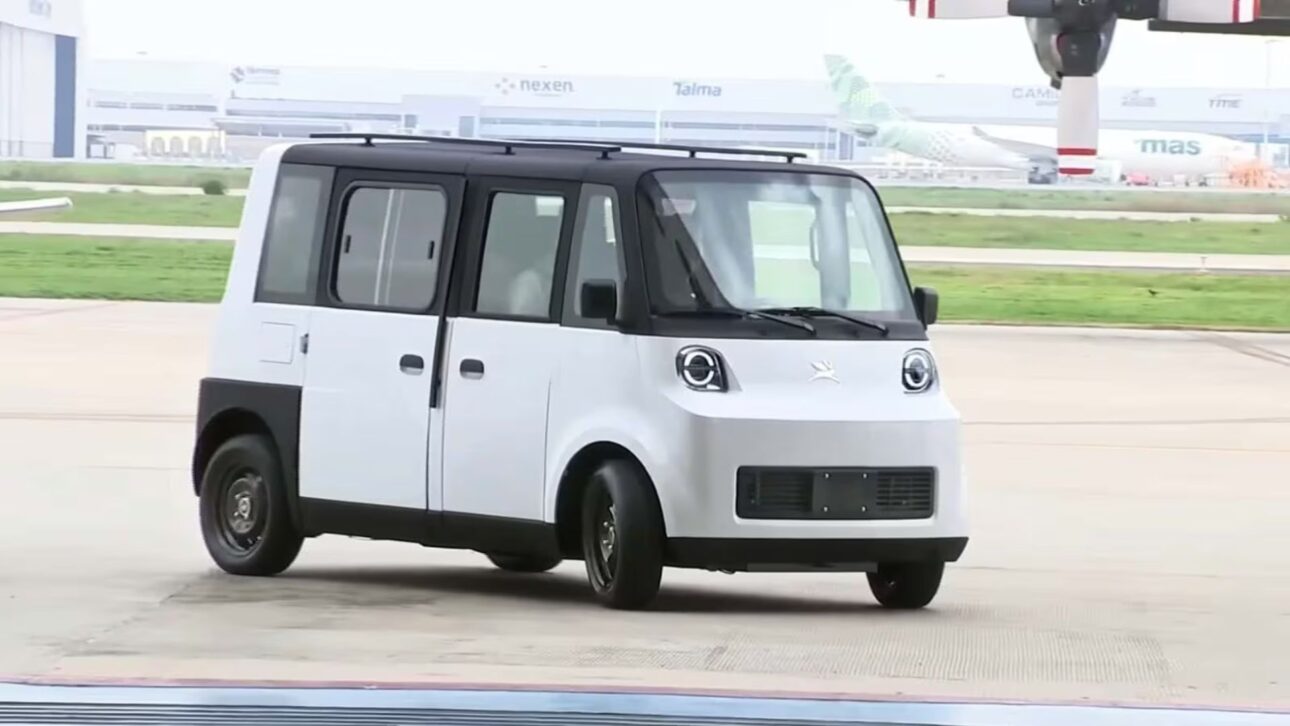
Even so, the performance and technical structure are far from the expected standards in compact cars sold in markets like Brazil and Mexico.
Low price comes with limitations
With a price announced starting at 150 thousand Mexican pesos, the Olinia Uno appears among the cheapest electric options planned for the Latin American market.
In direct conversion, the value is below R$ 50 thousand, although taxes, exchange rate variations, and possible local costs may change any comparison with prices practiced in other countries.
For now, the manufacturer informs that orders have not yet been opened, and interested parties can only register to receive notices about the start of commercialization.
The market arrival is scheduled for the Mexican summer of 2027, a period that corresponds to the mid-year months in the Northern Hemisphere.
In practice, the maximum speed of 50 km/h reinforces the vehicle’s classification as a solution for short trips, rather than as a direct alternative to road-use automobiles.
Roberto Capuano, project coordinator, told El País that the Olinia was designed to operate at low cost and recharge in conventional household or commercial outlets.
18 hp engine prioritizes low-speed use
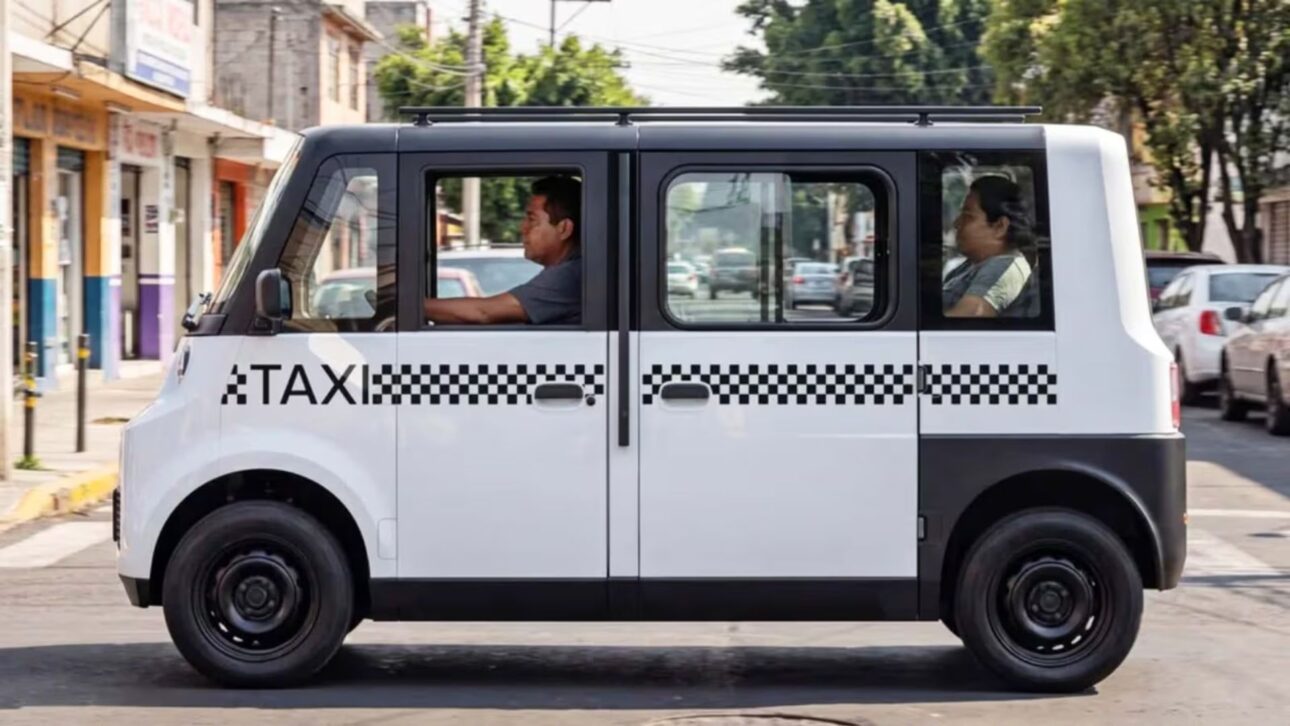
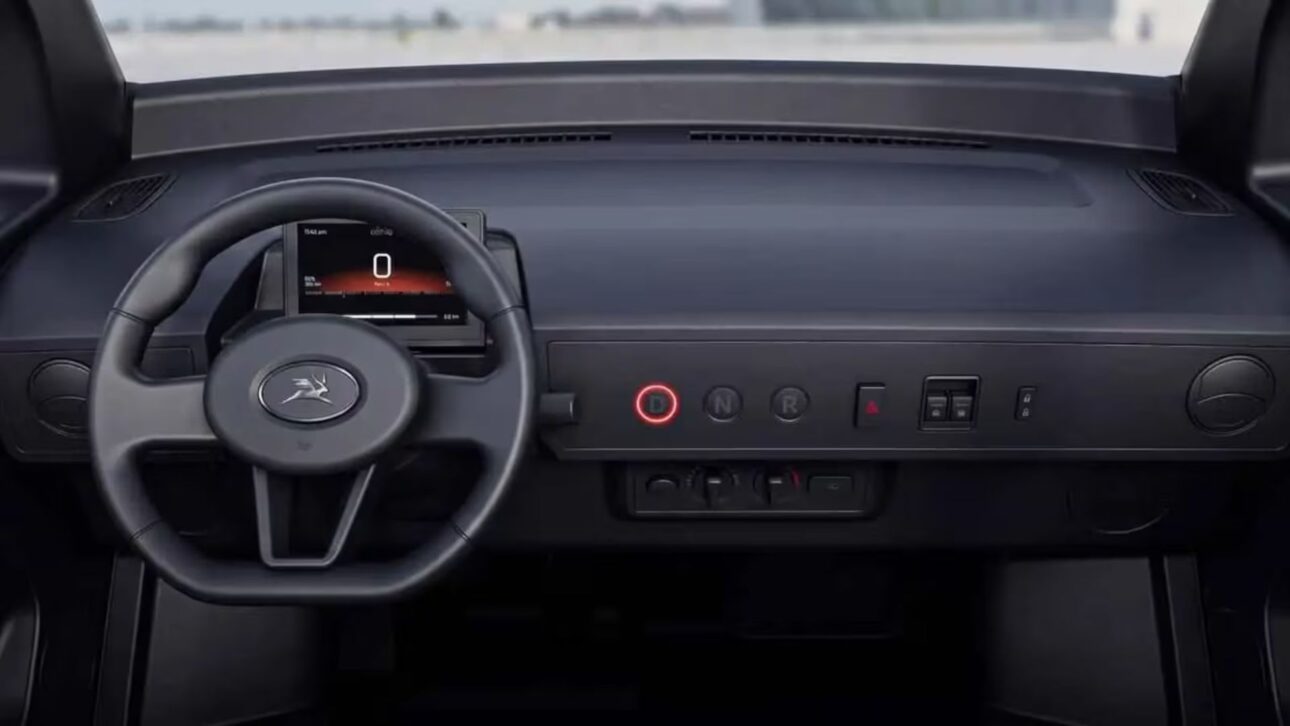
Aimed at everyday use at low speed, the electric set of the Olinia Uno is described as simple and suitable for the proposal of limited urban mobility.
The sheet released by the Mexican and Brazilian automotive press indicates a 18 hp engine, range of up to 125 km per charge, and a maximum speed of 50 km/h.
Although these numbers are modest for an automobile, they accompany the declared purpose of the project, which prioritizes low cost, local operation, and short trips.
The intention is not to compete with compact hatchbacks or electric SUVs, but to offer an electric option with potentially reduced maintenance for specific urban routes.
Another central point of the proposal is charging with a common outlet, a feature that eliminates the need for dedicated chargers and reduces one of the main entry barriers for some users.
With this, Olinia aims to serve cooperatives, small operators, mobility services, and businesses that do not have fast chargers or garages prepared for traditional electric vehicles.
Safety sparks debate at launch
The absence of airbags mentioned in the vehicle’s presentation raised questions because the Olinia Uno carries up to six people but does not follow the same logic of equipment as conventional cars.
Closer to a low-speed urban category, the project was conceived with different parameters than those applied to traditional passenger cars.
Capuano told El País that the model was not purposely aligned with the Mexican vehicle standard NOM-194, as the government is working on a new category for low and medium-speed urban vehicles.
This regulatory point is crucial to understand why Olinia has a different proposal from that adopted by common cars, especially in safety, performance, and type of use.
Even so, the debate on occupant protection should accompany the project’s progress to production, as the vehicle intends to transport multiple passengers in an urban environment.
In the view of the Mexican government, the model emerges as a more protected alternative for trips currently made by motorcycles, mototaxis, or small neighborhood vehicles.
Production will be concentrated in Puebla
The production of the Olinia Uno will be concentrated in Puebla, Mexico, with development coordinated by SECIHTI and collaboration from IPN, TecNM, research centers linked to the secretariat, UNAM, and UPAEP.
The brand presents itself as the country’s first national manufacturer of electric minivehicles, within a public policy focused on electromobility and Mexican industrial development.
In addition to the Uno, Olinia also showcases on its official website the Olinia Cargo, a version aimed at transporting goods on urban routes and short-distance deliveries.
The project previously announced by the Mexican government included three mobility fronts: personal use, neighborhood mobility, and last-mile deliveries.
Before reaching the public, the initiative still needs to advance in the industrialization stage, fully define the production chain, and create new regulations for urban electric mini-vehicles.
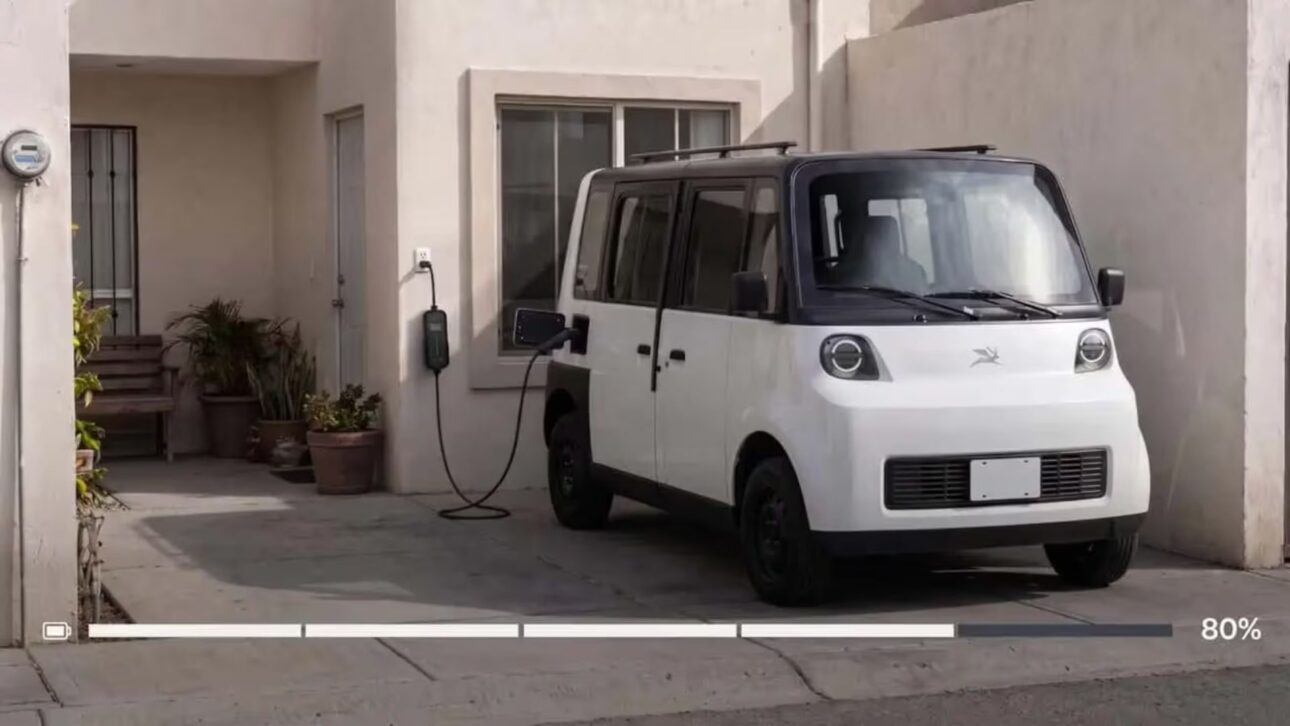
With production planned for 2027, the schedule depends on the consolidation of these stages and the ability to transform the prototype into a viable commercial product.
Project targets a new category of transport
Among motorcycles, transport tricycles, and conventional urban cars, the Olinia Uno attempts to occupy an intermediate range of electric mobility in the Mexican market.
The combination of six seats, a range of over 100 km, reduced price, and limited speed shows that the priority is on cost, internal space, and urban operation.
Outside of Mexico, this positioning helps explain the strangeness caused by the model, especially in markets where new cars need to meet stricter safety and performance standards.
A vehicle limited to 50 km/h and without airbags would not be perceived as a direct competitor to popular cars in countries that require standards closer to traditional cars.
In the Mexican context, however, the project appears linked to a public policy of electromobility, industrial development, and the creation of a national component chain.
The government’s strategy is to transform the Olinia into a local technological showcase, but the commercial result will depend on the final price, regulation, user acceptance, and safety perception.



Be the first to react!